
Professional Wood Restoration: Expert Techniques & Tips
There’s a moment during every wood restoration where panic sets in. I once had a client’s stunning Victorian sideboard transform under my hands and suddenly, a deep gash appeared right before my eyes. The kind of crack that snatched the breath out of me. That’s the reality of working with wood; one blink, and all that hard work can slip away. But there’s a silver lining: with the right techniques and eco-friendly products, you can not only restore beautiful antiques but also enjoy the process. In this article, I’ll share professional wood restoration tips, furniture refinishing methods, and how to care for your wood sustainably. Your treasured pieces deserve it.
📋 Table of Contents
Professional Wood Restoration: What You Need to Know

Professional wood restoration is all about reviving and enhancing wood surfaces rather than outright replacement. This process involves various techniques to repair, refinish, and protect wood furniture, cabinets, and flooring. Whether it’s a cherished heirloom or a recent thrift-store find, proper restoration can restore function and beauty. Key aspects include understanding different wood types, original finishes, and using appropriate tools for refinishing.
💡 Pro Insight (Marcus Webb, Woodreno): When working on an antique, always check for the original finish layer—it often holds the character and history that might be lost with modern paints or varnishes.
Essential Tips for Wood Restoration
Step 1: Assessing Damage
Take a close look at your wood piece. Is it warped? Are there scratches or discoloration? Knowing what you’re dealing with sets the foundation for your project. Don’t rush this step. Grab a flashlight and inspect it under various angles — the light can reveal inconsistencies.
Step 2: Choosing the Right Finish
Your finish choice can make all the difference. Traditional lacquer? It gives a beautiful sheen but can be tricky to apply. Water-based polyurethane? Safe and quick-drying, but may not have the depth of oil-based options. I’ve steered countless clients toward low-VOC finishes for indoor pieces; they’re environmentally friendly and safer for the home.
Step 3: Application Techniques
Mastering application techniques is crucial. For instance, when applying varnish, use long, even strokes. Avoid brush strokes that can mar the final finish. If you notice bubbles forming, stop; they can lead to unsightly results. Patience is key during the drying phase, too. Don’t rush it!
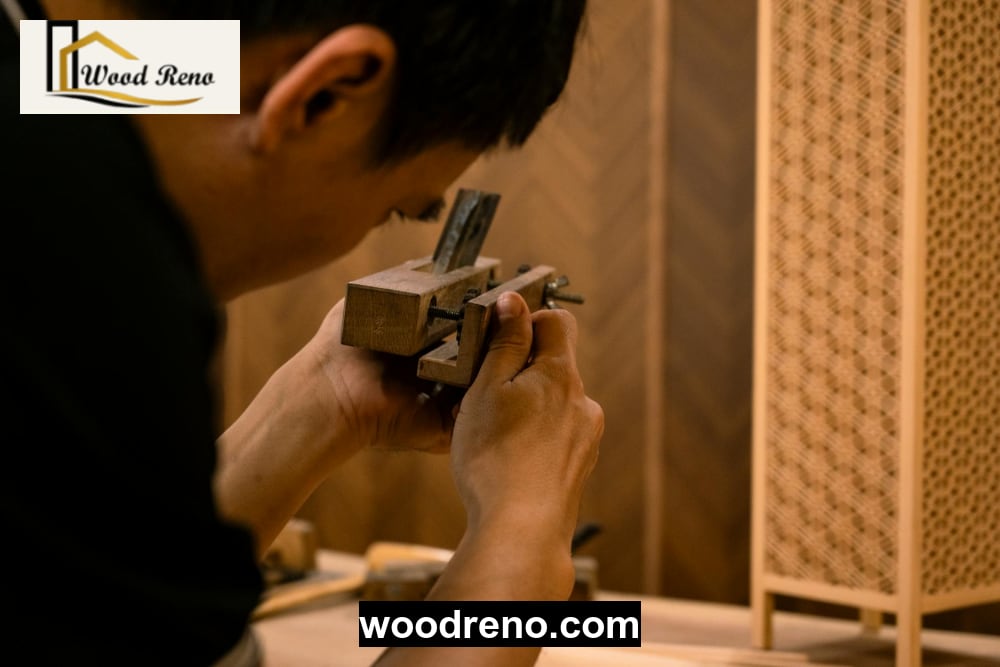
As you progress with restoration, referring to expert resources is invaluable. Check out Fine Woodworking for detailed guides on specific techniques and wood types.
Comparison of Finishing Techniques
| Option | Best For | Durability | Eco-Rating | Skill Level | Woodreno Verdict |
|---|---|---|---|---|---|
| Lacquer | High-gloss finishes | High | Low | Intermediate | Beautiful, but challenging. |
| Polyurethane (Oil-Based) | Heavy-use surfaces | Very High | Medium | Advanced | Trusty option for durability. |
| Polyurethane (Water-Based) | Indoor furniture | High | High | Beginner | Great for safety; dries fast. |
| Natural Oils | Beauty on wood grain | Medium | Very High | Beginner | Careful, but worth it for aesthetics. |
| Waxes | Lightly used items | Low | Very High | Beginner | Good for a natural feel. |
Common Mistakes in DIY Wood Restoration
At Woodreno, we frequently see the same costly errors cropping up in DIY restoration. Here are a few:
- Skipping the Sanding Process: Many think staining will mask imperfections. It won’t. Proper sanding reveals the wood’s true beauty and helps the finish adhere.
- Using the Wrong Products: Not all finishes behave alike. I’ve seen tools swapped like they were interchangeable, but this can lead to disastrous results.
- Neglecting to Test First: Always do a test spot for stain and finish. Without this, you risk ruining your efforts on the final application.
- Rushing the Drying Times: Patience here is a virtue. A hastily finished piece will show imperfections sooner than later.
Frequently Asked Questions About Professional Wood Restoration
Q1: What is professional wood restoration?
A: Professional wood restoration refers to the process of repairing and refinishing wood surfaces to restore their original beauty using specialized techniques and tools.
Q2: How do I start the wood restoration process?
A: Begin by assessing the damage, choosing the right finish, and preparing your tools. Each step is crucial to achieving a successful restoration.
Q3: How much does professional wood restoration cost?
A: Costs can vary widely based on the project size and complexity, typically ranging from $200 to $1,000 or more, depending on materials and labor.
Q4: Oil-based finishes vs. water-based finishes?
A: Oil-based finishes generally offer more durability and depth of color, while water-based finishes dry faster and are less toxic. Your choice should depend on the intended use and environmental considerations.
Q5: Is it worth hiring a professional for wood restoration?
A: Hiring a professional can save time and ensure quality results, especially on complex projects or valuable items. Their expertise can prevent costly mistakes.
Your Journey Into Restoration
Your journey into professional wood restoration starts now. Dive deep into the craft, experiment with different techniques, and remember: each piece of wood has its own story to tell, waiting for the right touch. If you’re ready to tackle your next project or need guidance, our team at Woodreno is here to help. Let’s restore your wood pieces to their former glory together.
© WoodReno Pakistan — woodreno.com | Professional Furniture Restoration & Woodworking Services