
A dull dining table, scratched sofa frame or water-marked bedside unit may look like a simple polishing job. Once a contractor inspects it, however, the condition beneath the shine often matters more than the furniture’s original purchase price.
The furniture polishing price in Pakistan depends mainly on surface area, shape, existing finish, preparation, repairs and the new coating system. A light recoat is normally the least costly scope; stripping, colour changes, veneer work, loose joints and dust-controlled on-site finishing raise the cost.
This guide explains how to compare quotations in Islamabad and Rawalpindi without treating an unverified headline rate as a national tariff.
💡 Tip
Quick answer: General market guidance from an October 2026 quote check covering Islamabad and Rawalpindi is Rs 80–150 per square foot for a light touch-up or recoat, Rs 150–300 for sanding and refinishing, Rs 250–450 for strip-and-refinish work, and Rs 350–650 plus any repair allowance for repair plus refinishing. These ranges include standard finishing materials but exclude transport, collection/delivery, tax and repair work unless quoted. Condition and the chosen finish system alter the final price. WoodReno gives project-specific quotations after measurement for Islamabad projects only.
Quick answer
Furniture polishing costs depend mainly on the piece’s size and shape, its existing coating, the finish selected, and the stripping or repair required. A sound surface needing a light recoat costs less than a colour change, veneer repair, loose-joint correction or full strip-and-refinish job, so compare itemised scopes rather than headline rates.
Key takeaways
- Preparation and repair usually create more price variation than the final finish material.
- Square-foot rates are useful for broad, flat surfaces but misleading for chairs, carvings and sofa frames.
- A quotation should identify the substrate, preparation, finish system, sheen, coat count, repairs and transport.
- Water damage, lifted veneer and loose joints must be assessed and stabilised before finishing.
- Islamabad’s summer heat, monsoon humidity, winter nights and construction dust can affect application and curing.
📋 Table of Contents
- What does furniture polishing usually cost in Pakistan?
- Which factors increase furniture polishing charges?
- How does the chosen finish affect the price and result?
- What is the furniture polish rate per square foot—and when is it useful?
- How much extra do stripping, scratches, water damage and loose joints add?
- How do sofa set polish prices differ from table, bed and wardrobe polishing?
- When should furniture be polished in Islamabad and Rawalpindi?
- What should be included in a furniture-polishing quotation?
- Frequently Asked Questions
- Talk to WoodReno About Your Project
What does furniture polishing usually cost in Pakistan?
💡 Tip
General market guidance: An October 2026 quote check covering Islamabad and Rawalpindi found typical rates of Rs 80–150 per square foot for a light touch-up or recoat, Rs 150–300 for sanding and refinishing, Rs 250–450 for strip-and-refinish work, and Rs 350–650 plus any repair allowance for repair plus refinishing. Standard finishing materials are included in these bands; transport, collection/delivery, tax and repair work are excluded unless quoted.
Scope-based cost guidance
| Scope | Relative cost | Why it changes | What to check |
|---|---|---|---|
| Light touch-up or recoat | Rs 80–150 per square foot | Sound coating; limited preparation | Compatibility, cleaning and local colour blending |
| Sanding and refinishing | Rs 150–300 per square foot | More labour and several finish stages | Sanding depth, stain, sealer and coat count |
| Strip and refinish | Rs 250–450 per square foot | Old coating must be removed safely and evenly | Stripping method, test area and substrate risk |
| Repair plus refinishing | Rs 350–650 per square foot starting range, allowance-based after inspection | Joinery, veneer or damaged components need attention | Repair allowance, exclusions and approval process |
WoodReno does not publish a fixed furniture rate. Islamabad projects receive project-specific quotations after measurement and assessment.
Why a low starting price may not cover the complete restoration
A starting figure may cover only exposed flat faces and one clear coat. It may exclude stripping, stain matching, filling, hardware removal, polishing the back or inside edges, collection, return transport and repairs.
Ask whether materials are included and whether the estimate can change after sanding exposes veneer loss, filler, oil contamination or previous spot repairs. An inexpensive finish-only quote is not comparable with a quote that includes those risks.
The difference between a touch-up, a recoat and full refinishing
A touch-up blends small scratches or worn corners. A recoat lightly prepares a sound, compatible coating before adding protection. Full refinishing removes or substantially cuts back the old surface, corrects colour and rebuilds the coating system.
Full stripping is not automatically better. If the existing finish is stable and compatible, retaining it may reduce cost and preserve thin veneer or crisp carved detail.
Which factors increase furniture polishing charges?
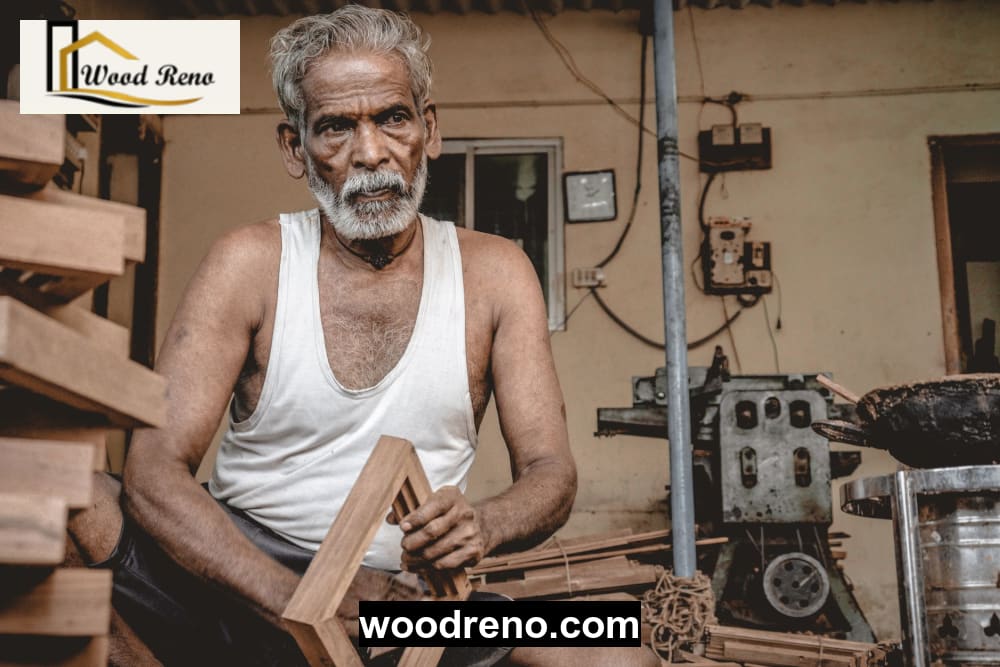
Preparation is usually the largest variable in furniture polish charges. The visible top coat may take less time than cleaning grease and silicone residue, levelling scratches, filling open grain, matching stain and sanding between coats.
Preparation work is usually the largest variable
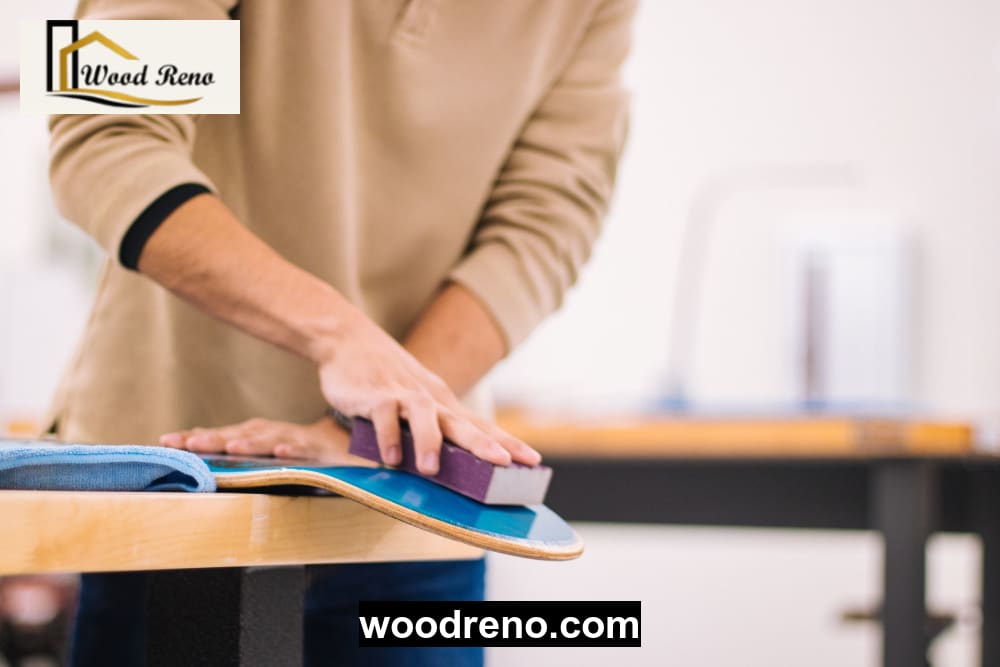
A complete refinishing sequence can include cleaning, degreasing, finish testing, sanding, grain filling where required, stain matching, sealing, finish coats, between-coat abrasion and final rubbing. Skipping one stage may leave fisheyes, dark sanding patches, raised grain or a rough finish.
A colour change adds uncertainty. The previous colour can remain in pores and corners, while exposed timber, filler and veneer may absorb stain differently. A test patch or sample board should be approved before the whole piece is coloured.
Why furniture shape matters more than simple dimensions
Turned legs, carvings, grooves, slats, spindles and cane-adjacent edges require hand preparation. A chair can take more labour than a broad tabletop because every rail has several faces and every joint creates a corner where old finish collects.
The contractor should identify whether the surface is solid timber, veneer, MDF or laminate. Veneer permits limited sanding, while swollen MDF and lifting laminate cannot be restored simply by applying polish.
Workshop work versus polishing inside the home
Workshop finishing can provide better control over access and dust, but collection, loading and return transport have a cost. Heavy wardrobes, built-ins and fragile pieces may need to remain on site.
On-site work can require moving furniture, masking floors and walls, isolating rooms, extracting dust and protecting occupied areas. Imported and local finish-material costs may also change with exchange rates and supply cycles, so an old quotation should not be assumed current.
How does the chosen finish affect the price and result?
The word “polish” is not a complete specification. Two contractors may use it for different coating systems, film thicknesses and sheen levels, making their prices impossible to compare without written details.
A finish name alone is not a complete specification
| Finish system | Appearance and protection | Application | Likely cost position | Repairability |
|---|---|---|---|---|
| Melamine-type system | Clear, practical film; moderate wear protection | Ask what local use of “melamine” actually means | Usually lower to middle | Local repairs may remain visible |
| Polyurethane or PU | Strong abrasion and moisture resistance | More demanding preparation and application control | Usually higher | Spot repair can require blending a larger area |
| Lacquer | Smooth decorative film; available in several sheens | Fast build but sensitive to application conditions | Middle to higher | Often more workable than heavily cross-linked films |
| Oil or wax | Natural, lower-build appearance | Thin coats and patient curing | Material cost varies; labour may be substantial | Generally easier to renew locally |
Local use of “melamine polish” varies. Ask for the actual finish system, colour, sheen and number of coats in writing rather than accepting the name alone.
For a deeper explanation, see this guide to furniture polish finishes and care.
Why a dining tabletop and decorative side table need different protection
A dining or coffee-table top faces spills, hot serving dishes and repeated wiping, so moisture and abrasion resistance matter. A bed frame, wardrobe exterior or display piece usually receives less direct wear and may prioritise appearance or repairability.
Wooden sofa arms need resistance to skin oils and frequent handling. Wardrobe interiors require caution: an odorous or incompletely cured coating can affect stored clothing, so application location and cure guidance should be explicit.
How sheen level changes preparation expectations
High gloss reflects small waves, sanding marks, dust nibs and swirl marks. Producing it usually requires more levelling and rubbing than a satin or low-sheen finish.
Gloss also shows fingerprints and construction dust readily. A lower sheen may be more forgiving in a busy home, but no sheen can conceal deep dents or unstable veneer.
What is the furniture polish rate per square foot—and when is it useful?
A polish rate per square foot is useful only when both parties agree on the finishable area. The visible top area, total surface area and floor footprint are three different measurements.
Item rate versus surface-area rate
Square-foot pricing can help compare wardrobe fronts, cabinet shutters and broad table tops. Piece rates are usually clearer for chairs, beds, drawers, open shelving, carved furniture, curved parts and wooden sofa frames.
For a table, multiplying length by width measures only the top. The actual work also includes its edges, apron, four legs, underside returns and any moulded profiles. A contractor may therefore price the complete item even if the broad top is measured separately.
Questions to ask before accepting a per-square-foot quote
- Does the measurement cover one face or every finishable face?
- Are edges, grooves, backs, interiors and drawer parts included?
- Does the rate include cleaning, sanding or complete stripping?
- Are stain, sealer, top coats and minor filling included?
- Who removes and reinstalls handles, hinges and other hardware?
- Are collection, transport, masking and dust containment separate?
Without these details, two identical per-square-foot rates can cover very different preparation, coating and transport scopes. It does not define the finished result.
How much extra do stripping, scratches, water damage and loose joints add?
Light scratches, small white moisture marks and worn edges may be cosmetic. Deep gouges, lifted veneer, swollen board edges, loose joints, broken components and insect-related loss require a different assessment and often a repair allowance.
When a quote needs a repair allowance rather than a firm finish-only price
An unknown coating can react badly to a new one or become gummy during stripping. A test area helps reveal coating compatibility, veneer thickness, hidden filler and colour retained in the grain.
Loose joints and broken parts should be repaired and allowed to stabilise before final finishing. Polish can improve appearance, but it cannot make a moving joint structurally sound. Detailed guidance on wooden bed repair and polishing is useful where side rails, legs or headboards are moving.
Why water marks and water damage are not the same problem
A pale ring may be moisture trapped in or beneath the coating. Dark staining, lifted veneer, soft board edges or an odour can indicate deeper water entry. The moisture source must be stopped, the piece dried and any delamination assessed before refinishing.
⚠️ Important
Polishing cannot reliably rescue severely swollen MDF, extensively delaminated laminate or veneer that has lost too much material. Concealing the damage may delay failure rather than repair it.
For cases beyond a surface mark, compare the likely water-damaged furniture repair costs before approving a finish-only job.
Repair or replace?
- Restore when the structure is sound, joints can be repaired and the surface has enough material for preparation.
- Request a test when the coating, substrate or depth of staining is uncertain.
- Consider replacement when board swelling, delamination or missing structural parts dominate the scope.
- Allow for value beyond price when the piece has sentimental importance or matching furniture would be difficult to replace.
How do sofa set polish prices differ from table, bed and wardrobe polishing?
The sofa set polish price is often high relative to its visible footprint because arms, rails, legs and joints require hand work. Upholstery, foam, fabric, webbing and cushions are separate trades and should not be assumed part of timber-frame polishing.
Furniture polishing price drivers by piece type
| Furniture type | Best quote unit | Labour and condition factors | Finish comparison | State separately |
|---|---|---|---|---|
| Dining table | Per item; top area noted | Heat marks, edge wear, deep scratches | Moisture and abrasion resistance | Leaf, base, underside and repairs |
| Dining chair | Per chair or complete set | Rails, spindles, loose joints | Durability versus easy renewal | Seat removal and upholstery |
| Coffee or study table | Per item | Ring marks, drawer fronts, handled edges | Wear resistance and sheen | Drawer interiors and hardware |
| Wooden sofa frame | Per seat configuration or set | Carving, arms, joints, fabric edges | Oil resistance and repairability | Foam, fabric, webbing and cushions |
| Bed and headboard | Per complete bed | Loose rails, detailed headboards | Appearance and touch resistance | Disassembly, repair and transport |
| Wardrobe or shutter | Area rate or item rate | Large faces, fixed hardware, access | Sheen and blocking resistance | Interiors, masking and hardware |
| Carved display piece | Per item after inspection | Fragile details and finish trapped in recesses | Clarity and future repair | Conservation limits and missing parts |
Why dining chairs can cost more per visible square foot than a table
A flat tabletop can be sanded in long, controlled passes. A chair must be handled repeatedly to reach the inner rails, leg backs and junctions beneath the seat. Loose joints may only become obvious after the seat or hardware is removed.
What a sofa-set polishing quote should state separately
The quote should list each chair or sofa section, the exposed timber parts, upholstery protection or removal, frame repairs and cushion work. If upholstery is excluded, that should be stated plainly rather than left to assumption.
Fixed furniture versus movable furniture
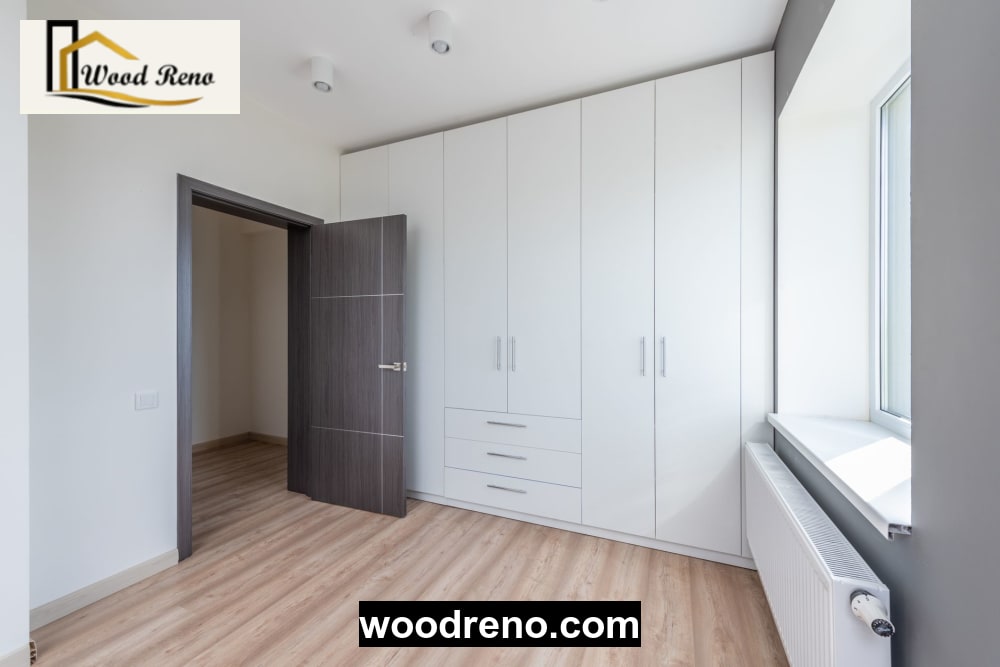
Wardrobes and built-ins may offer broad, measurable faces, but access can be difficult around walls, floors and fixed hardware. Masking, ventilation and dust isolation can outweigh the efficiency of the flat surfaces.
Kitchen cabinetry has its own grease, access and hardware issues; use a dedicated kitchen cabinet polishing cost guide for that scope.
When should furniture be polished in Islamabad and Rawalpindi?
Weather affects application, recoating and curing even when the work is indoors. May and June heat can make water-based material flash off quickly, while very dry timber may expose open joints that were less obvious in a humid season.
During July and August, monsoon humidity slows moisture loss and can contribute to hazing or blooming under unsuitable conditions. Timber can swell enough for close-fitting drawers and doors to bind. Cold, damp nights from December through February can slow the cure of oil finishes.
Drying, recoating and curing are different stages
Dry-to-touch means the surface no longer feels wet. Recoat time is the manufacturer’s permitted interval for another coat. Full cure is the later point at which the coating has developed its intended service properties.
There is no responsible universal cure time for all furniture polish. Ask the contractor to give product-specific guidance for light handling, normal use, standing objects and wet cleaning under the actual site conditions. Until then, avoid standing water, abrasive cleaners, heavy objects and fitted covers that can trap moisture.
How to reduce dust defects on an on-site polishing job
Construction dust across the twin cities can settle into wet finish as hard specks. The quotation should address room isolation, cleaning before each coat, masking, airflow and whether workshop finishing would produce a cleaner result.
A surface that feels sandy after drying may contain dust nibs or raised grain. Adding another coat without levelling the defect can lock it into the finish.
What should be included in a furniture-polishing quotation?
Compare quotations line by line: the lowest total may omit stripping, repairs, transport, hardware work or the finish system you actually want. Compare like-for-like scopes rather than choosing the lowest total from estimates that use the word “polish” differently.
The 12-point checklist for comparing quotes
- Item list, quantities and relevant measurements
- Photographs or inspection notes
- Surface type and existing condition
- Agreed colour and sheen
- Named finish system
- Cleaning, sanding and stripping scope
- Structural, veneer and filling repairs
- Number of sealer and finish coats
- Workshop or on-site work location
- Masking, dust protection, moving and transport
- Hardware removal and reinstallation
- Exclusions, payment schedule and post-work care
Request a test area or sample board when colour matching or changing colour matters. Final feasibility and price still depend on physical assessment, especially where the old coating or substrate is uncertain.
Islamabad homeowners can request an assessed quotation for professional furniture polishing in Islamabad. WoodReno prices each project after measurement rather than applying a fixed published rate.
Red flags in an unusually cheap polishing estimate
- No substrate check: aggressive sanding can cut through veneer or damage board surfaces.
- “Polish” without a system: the quote does not define coating type, sheen or coat count.
- No preparation detail: grease, silicone and incompatible old coatings can cause craters or peeling.
- Repairs hidden in the finish price: loose joints and water damage require separate decisions.
- No dust plan: wet finish may trap grit during on-site work.
- No cure instructions: early heavy use can mark a coating that feels dry but remains soft.
Before approval and at handover
- Confirm the approved sample in the same lighting as the furniture.
- Record which faces, interiors, edges and removable parts are included.
- Check the payment milestones in the signed quotation.
- At handover, inspect edges, corners, hardware and moving drawers or doors.
- Keep the written cleaning and cure guidance for the selected finish system.
Frequently Asked Questions
What are furniture polishing charges in Pakistan?
Furniture polishing charges depend on the piece, finish condition, preparation, repairs and coating system. A sound surface needing a compatible recoat falls in a lower cost band than full stripping, colour correction, veneer work or joint repair. Compare dated, itemised local quotations rather than an unsupported national rate.
What is the polish rate per square foot in Pakistan?
There is no dependable national square-foot tariff. Area pricing can be useful for broad table tops, wardrobe fronts and cabinet shutters, but the quote must define every included face. Chairs, beds, carvings, drawers and sofa frames are usually clearer when priced per item after inspection.
How much is sofa set polish price in Pakistan?
A wooden sofa set should be quoted after checking the number of pieces, carved or turned details, joint condition, existing coating and upholstery access. Timber-frame polishing should be separated from foam, fabric, webbing and cushion work. Those additional scopes should never be assumed included in a headline sofa-set price.
Which wood is expensive in Pakistan, and does it cost more to polish?
Imported hardwoods, scarce material and wide clear boards can carry higher purchase prices, but expensive timber does not automatically cost more to polish. Labour depends more on geometry, coating condition, veneer risk, repairs and finish specification. Valuable or thin surfaces may, however, require slower testing and preparation.
How do wood prices in Pakistan affect furniture restoration cost?
Wood prices matter mainly when damaged rails, legs, veneer or other components must be replaced. A finish-only job uses comparatively little new timber. Exchange-rate and supply changes can still affect imported finish materials and replacement parts, so quotations should show a date and remain valid for a stated period.
How long should polished furniture cure before normal use in Islamabad?
Cure time depends on the coating, coat thickness, ventilation, temperature and humidity. Dry-to-touch is not full cure. Ask for product-specific instructions covering light handling, normal use and wet cleaning; monsoon humidity and cold winter nights can extend the period, especially for slower-curing oil systems.
Talk to WoodReno About Your Project
Every project is quoted after measurement, so the figures above are general market guidance rather than a WoodReno price. Send your measurements and photographs and the team will come back with a project-specific quotation.
Shop #1, Plot #126, I&T Center, G-9/1, Islamabad 44002 · +92 334 9000098
Sources
Reviewed by Safdar Aslam for WoodReno.