
A cabinet beside the sink can look sound while water is already entering an unsealed pipe cut-out. By the next monsoon, the base may be swollen, the door may rub and the hinge screws may no longer hold.
For homeowners comparing aluminium vs wooden kitchen cabinets Pakistan, aluminium is generally safer in persistently wet, steamy or termite-prone areas. A well-specified wooden kitchen can still perform well in dry, ventilated zones where appearance, integrated detailing and repairable finishes matter more.
The useful comparison is not metal against “wood” in the abstract. You need to compare the cabinet box, doors, backs, edges, hardware and installation around each kitchen zone.
Quick answer
For a kitchen exposed to frequent steam, sink leaks or termites, a properly fabricated aluminium cabinet system is usually the more moisture-tolerant, lower-maintenance choice. Wooden cabinets remain suitable for dry, ventilated zones, but their durability depends on the core material, sealed edges, finish, hardware and protection from standing water.
Key takeaways
- Aluminium is generally the safer cabinet-box material for a frequently wet sink base.
- Aluminium conducts heat, so it still needs appliance-specific clearances beside hobs and ovens.
- Solid timber, plywood-based cabinets and MDF-based cabinets behave differently around water.
- Dry summers can open timber joints; monsoon humidity can swell boards and bind doors.
- A useful quotation identifies every component, edge treatment, fitting and installation exclusion.
📋 Table of Contents
- Which lasts longer: aluminium vs wooden kitchen cabinets Pakistan?
- How each material ages in Pakistani kitchens
- What “wooden kitchen cabinets” means before you compare
- Compare aluminium kitchen cabinets price against the full specification
- Which material works best in each part of the kitchen?
- Common specification mistakes that shorten cabinet life
- Maintenance and inspection checklist for a longer-lasting kitchen
- When cabinet damage needs professional repair
- Frequently Asked Questions
- Talk to WoodReno About Your Project
Which lasts longer: aluminium vs wooden kitchen cabinets Pakistan?
Choose aluminium where moisture and pest resilience decide the specification. Choose wood-based cabinetry only where the core, edge sealing and water protection suit the location. Neither label guarantees a durable kitchen: poor joints, weak hardware or careless fitting can shorten the life of either system.
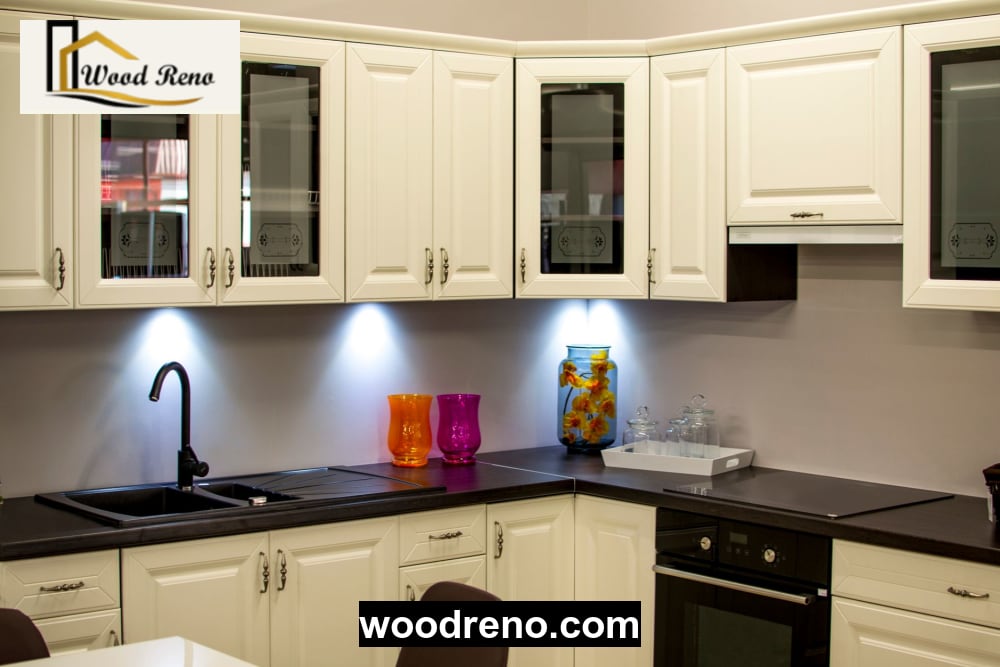
Aluminium vs wood-based kitchen cabinets for Pakistani cooking, moisture and pest conditions
| Decision criterion | Aluminium cabinet system | Wood-based cabinet system | What matters locally |
|---|---|---|---|
| Sink leaks and standing water | Frame will not rot or swell | Edges and cut-outs can absorb water | Inspect pipe entries and plinths |
| Steam, grease and cleaning | Usually easy to wipe; tracks collect grime | Finish protects the face, not every joint | Provide an effective exhaust route |
| Heat near hob or oven | Does not char like timber but transfers heat | Heat can stress finishes, glue and edges | Follow appliance clearances and ventilation instructions |
| Termites | Aluminium is not termite food | Wood-based parts may be attacked | Inspect adjoining timber and concealed areas |
| Dry-summer movement | Dimensionally stable in normal kitchen use | Timber may shrink and joints may open | May–June heat exposes poor joinery |
| Monsoon humidity | No board swelling in the metal frame | Doors or drawers may bind | Ventilation and sealed edges matter |
| Appearance | Clean lines; finish depends on system | Broad choice of profiles and finishes | Judge a complete sample, including edges |
| Dents and scratches | Dents may require component replacement | Some finishes can be touched up | Ask how damaged parts are repaired |
| Hardware maintenance | Tracks, hinges and joints need cleaning | Hinges need firm screw holding | Hardware quality affects both systems |
| Installed-cost drivers | Profiles, infill, fabrication and fittings | Core, doors, finish, edging and fittings | Compare identical scope |
| Best-fit zones | Sink base and repeatedly wet areas | Pantry, uppers and protected dry areas | A hybrid kitchen is often sensible |
Aluminium systems also vary. Profile thickness and geometry, corner joints, panel infill, door construction and hardware determine whether the finished cabinet feels rigid or flimsy. An aluminium frame with a decorative board panel is not an all-aluminium cabinet.
⚠️ Important
Aluminium should not be sold as simply “fireproof.” Metal transfers heat, and its panels, seals, finishes and adjoining components may respond differently. Appliance instructions and correct clearances still control the hob and oven installation.
How each material ages in Pakistani kitchens
Heat, steam, liquid water and humidity cause different failures. Treating them as one “kitchen environment” hides the actual weak point and often leads to the wrong specification.
Exposure, symptom and prevention
| Exposure | Likely symptom | More vulnerable part | Risk reduction |
|---|---|---|---|
| Heavy frying heat | Discoloured finish, loose edging or stressed adhesive | Nearby panels and finishes | Use extraction and required appliance clearances |
| Sink leak | Swollen base, peeling edge or musty interior | Unsealed wood-based cut-outs | Seal interfaces and retain leak access |
| Steam and grease | Sticky tracks, staining and softening around joints | Hardware and poorly sealed edges | Vent outdoors where possible; wipe residue regularly |
| Dry May–June weather | Open timber joints and hairline finish gaps | Solid timber components | Allow for movement during fabrication |
| July–August humidity | Binding doors, swollen edges or cloudy finish | Wood-based parts and uncured coatings | Finish under controlled conditions; maintain ventilation |
| Cold, damp winter nights | Slow or uneven curing | Oil and some site-applied finishes | Do not rush recoating or installation |
| Construction dust | Rough finish and gritty runners | Wet coatings, tracks and hinges | Isolate finishing and clean before handover |
Why the sink cabinet is the real material test
Water often enters through a failed silicone joint, dripping trap or oversized pipe cut-out rather than through the visible door. MDF and other wood-based boards can swell first at exposed edges; plywood-based construction may tolerate brief exposure better, but repeated wetting can still damage edges, veneers or bonds.
Aluminium resists rot, yet the cabinet still contains joints, fasteners, hinges and possibly non-metal panels. It needs leak checks and cleaning. A moisture-tolerant box does not excuse poor plumbing.
Summer shrinkage, monsoon swelling and termites
In Islamabad and Rawalpindi, dry May–June temperatures can reach 38–42°C. Timber may shrink across its grain, while fast flash-off can make water-based finishing difficult and PVA glue can skin before parts are clamped. During humid July–August periods, wood takes up moisture, doors bind and poorly timed polish or paint may cure slowly or bloom.
Aluminium itself is not food for termites, but a metal kitchen can still contain wood-based infill, backing or adjacent timber. Termite resistant kitchen cabinets therefore require a component-by-component inspection, not reliance on the door-frame label.
What “wooden kitchen cabinets” means before you compare
Wooden kitchen cabinets are a category, not one construction. A solid-timber door, plywood carcass and MDF door can appear in the same kitchen, yet each has different movement, water resistance, screw holding and repair options.
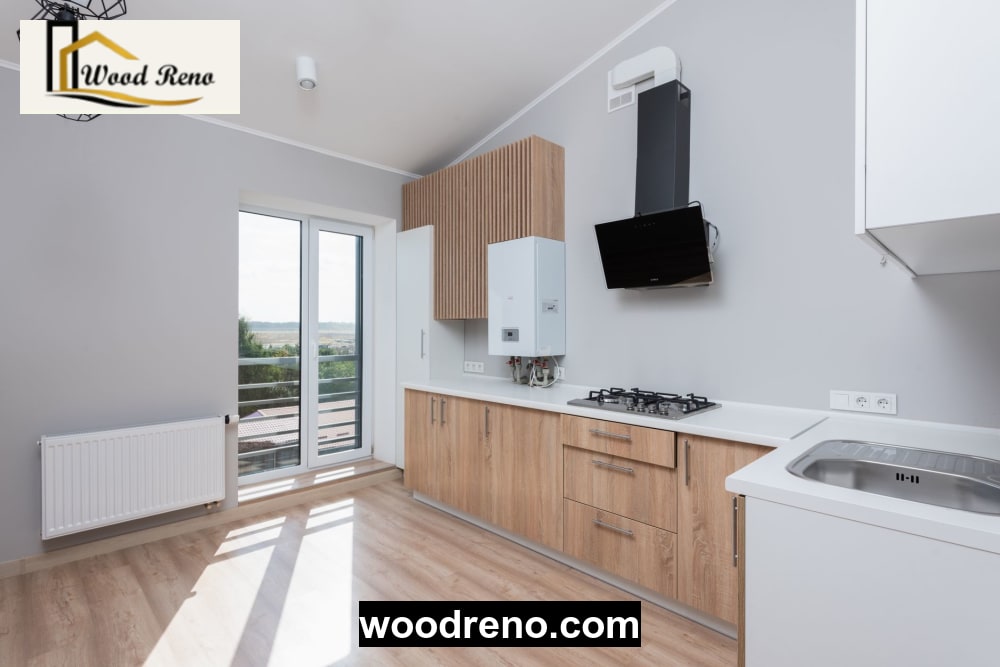
Carcasses, doors and backs can use different materials
Solid timber moves with seasonal moisture and can often be repaired or refinished. Plywood is built from bonded veneers and generally holds fasteners differently from MDF. MDF provides a smooth face for routed or painted doors, but exposed or poorly sealed edges are particularly sensitive to water.
For a fuller core comparison, read MDF versus plywood for kitchen cabinets. The broader guide to kitchen cabinet materials in Pakistan explains other choices without treating every wood-look surface as solid timber.
Why edges matter more than the showroom face
A decorative face may repel an occasional splash while the sink cut-out, bottom edge or hinge boring remains exposed. Ask to see how edges, backs, service holes and countertop interfaces will be sealed. These hidden details usually fail before the centre of a door.
Compare aluminium kitchen cabinets price against the full specification
An aluminium kitchen cabinets price cannot be compared fairly with a wooden quote unless both cover the same cabinet area, doors, drawers, fittings and installation work. Per-square-foot rates are useful for early budgeting, but they are not a final kitchen cabinet cost in Pakistan.
Aluminium cost changes with profile complexity, infill panels or glass, finish, fabrication accuracy, baskets, drawers and site fitting. Wood-based cost changes with carcass material, door construction, finish, edge treatment, internals, countertop interfaces and installation.
Imported and local boards, metal systems and hardware also move in availability and cost with rupee and import cycles. Use the kitchen cabinet price per square foot guide for budgeting context and review kitchen cabinet hardware costs before comparing fittings.
What a like-for-like quotation must state
| Quote item | What should be identified | Why it matters |
|---|---|---|
| Cabinet components | Box, doors, backs, shelves and plinth | Visible finishes can hide a different core |
| Material specification | Material and thickness where supplied | Labels alone do not show build quality |
| Edges and sink protection | Edge method, cut-outs and silicone interfaces | These are common water-entry points |
| Hardware | Hinge, runner, basket and handle type | Fittings alter cost and daily performance |
| Finish | Door and exposed-side treatment | Repair and cleaning needs differ |
| Scope | Measurement, delivery, fitting and exclusions | Prevents incomplete price comparisons |
A cheaper cabinet becomes expensive if a sink base must be replaced or poorly supported runners fail. Compare the installed system and its repair path, not just the initial material rate.
Which material works best in each part of the kitchen?
A kitchen does not need one material everywhere. Aluminium can protect the wet zone while wood-based cabinets provide warmer finishes and more door-detail options in dry areas.
Sink base and wet cleaning zone
Aluminium is often the easier-risk choice where splashes or plumbing leaks recur. The design should still include protected countertop interfaces, sealed service penetrations and enough access to inspect the trap, supply valves and cabinet floor.
Hob, oven and high-heat zone
Kitchen cabinet heat resistance depends on the complete assembly, not whether the box is metal or wood-based. Aluminium conducts heat; wood, edging and adhesives can dry or degrade. Follow the appliance maker’s installation instructions, maintain ventilation and use specified shielding or clearances.
Upper cabinets, pantry and dry storage
Uppers face steam and condensation but usually less standing water. Pantry cabinets provide a more favourable setting for plywood- or MDF-based construction if walls are dry and air can circulate. In a small kitchen, reflective finishes, visual warmth, door swing and hardware layout may matter as much as box material.
💡 Tip
A hybrid kitchen is legitimate: aluminium at the sink, compatible protection near appliances, and wood-based cabinetry in dry storage. Agree the meeting details, colours, plinth line and hardware before fabrication so the result looks intentional.
Common specification mistakes that shorten cabinet life
- Choosing by door face: a wood-look surface reveals nothing about the carcass, back or exposed cut-outs. Request the full build-up.
- Calling aluminium maintenance-free: grease and grit still collect in tracks, corners and hinges. Clean them before runners become stiff.
- Sealing over a leak: silicone cannot repair a dripping trap or swollen board. Fix the water source and replace unsound material.
- Ignoring appliance instructions: neither metal nor wood replaces required clearance, ventilation or shielding.
- Finishing in dust or high humidity: contamination leaves a rough surface, while damp conditions can slow curing and cloud some coatings.
Maintenance and inspection checklist for a longer-lasting kitchen
Routine inspection protects both materials. Homeowners in Islamabad can also request a measured, project-specific specification and quotation through WoodReno’s custom kitchen planning and installation in Islamabad rather than selecting cabinets by material name alone.
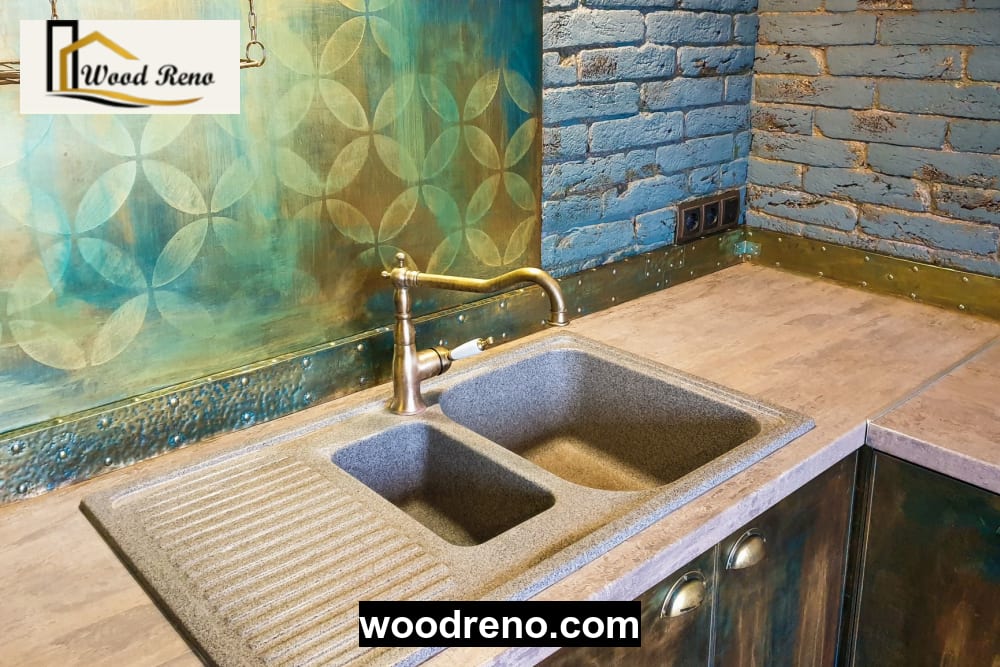
Monthly checks around the sink and hardware
- Run a dry tissue around the trap, valves and hose connections to reveal a slow leak.
- Wipe aluminium frames, tracks and corners with a non-abrasive cleaner.
- Dry splashes on wood-based cabinets instead of saturating them during cleaning.
- Check silicone, plinth edges, hinges and runners for movement or corrosion.
Before and after monsoon
- Look for binding drawers, raised edging, swollen board and cloudy or peeling finish.
- After dry weather, inspect solid-timber joints for gaps and loose hardware.
- Check concealed corners and adjoining timber for termite mud tubes, hollow areas or damaged surfaces.
- Remove construction dust from tracks before it grinds into rollers.
When cabinet damage needs professional repair
Minor hinge adjustment, cleaning and replacement of intact seals are often straightforward. A scratched repairable finish may also be touched up once the correct coating is identified.
Seek a measured repair assessment if the cabinet base is soft, board layers have separated, fasteners no longer grip, doors remain distorted after humidity falls, or termite activity is suspected. Swollen or delaminated board rarely returns to its original strength; replacement of the affected component is usually more reliable than hiding it with polish or sealant.
Frequently Asked Questions
Are wood or MDF cabinets better for a kitchen?
MDF is itself a wood-based material, so the useful comparison is usually MDF against plywood or solid timber. MDF gives a smooth painted or routed face but needs careful edge sealing and protection from leaks. Plywood and solid timber behave differently, so compare the complete carcass, door, finish and wet-zone specification.
Is aluminium good for kitchen cupboards?
Yes, particularly for sink bases and kitchens exposed to humidity or termites. Aluminium does not swell like wood-based board and is not termite food. However, tracks, hinges, joints and decorative panels still need maintenance, while cabinets near a hob or oven require correct ventilation and appliance-specific clearances.
What is the difference between a kitchen cabinet and a kitchen cupboard?
The terms often overlap in everyday use. A cabinet usually refers to a fitted kitchen unit with a defined carcass, door, shelves or drawers. Cupboard may describe either a fitted or freestanding enclosed storage unit. For quotations, component specifications matter more than which term the contractor uses.
Which type of kitchen cabinet is best in Pakistan?
There is no single best cabinet for every kitchen. Aluminium is often the lower-risk choice for wet, termite-prone zones. Properly sealed plywood-, MDF- or timber-based cabinetry can suit dry, ventilated areas where finish and door detailing matter. Hardware, edge protection, ventilation and installation quality remain decisive.
Talk to WoodReno About Your Project
Every project is quoted after measurement, so the figures above are general market guidance rather than a WoodReno price. Send your measurements and photographs and the team will come back with a project-specific quotation.
Shop #1, Plot #126, I&T Center, G-9/1, Islamabad 44002 · +92 334 9000098
Sources
Reviewed by Safdar Aslam for WoodReno.