
Kitchen cabinet materials in Pakistan face a unique test. The relentless humidity and occasional heat waves make moisture resistance a top priority. You’ve got two main contenders: MDF and plywood kitchen cabinets. Each comes with its own set of strengths and trouble spots, especially in local conditions where the seasons challenge every join and finish.
After years working in the workshop, I’ve seen cabinets crumble or stand tall — often because of the right choice between MDF and plywood. This guide unpacks their differences, especially for kitchens here in Pakistan. You’ll learn about cost breakdowns, durability in humid climates, finish choices, repair tips, and even sustainability factors that impact your decision.
Let’s clear the confusion and help you pick the best cabinet material that fits your style, budget, and the Pakistani climate. If you want a detailed look at pricing too, explore detailed pricing for kitchen cabinets at Woodreno.
📋 Table of Contents
- Overview: MDF and Plywood as Kitchen Cabinet Materials
- Cost Comparison: MDF vs Plywood for Kitchen Cabinets in Pakistan
- Durability & Moisture Resistance in Pakistan’s Climate
- Workshop Craftsmanship: How Material Choice Affects Cabinet Quality
- Suitability: Which Material Fits Your Kitchen Style and Budget?
- Sustainability & Environmental Impact of MDF and Plywood
- Common Mistakes / What I’ve Seen Go Wrong
- Frequently Asked Questions About MDF vs Plywood Kitchen Cabinets Pakistan
Overview: MDF and Plywood as Kitchen Cabinet Materials
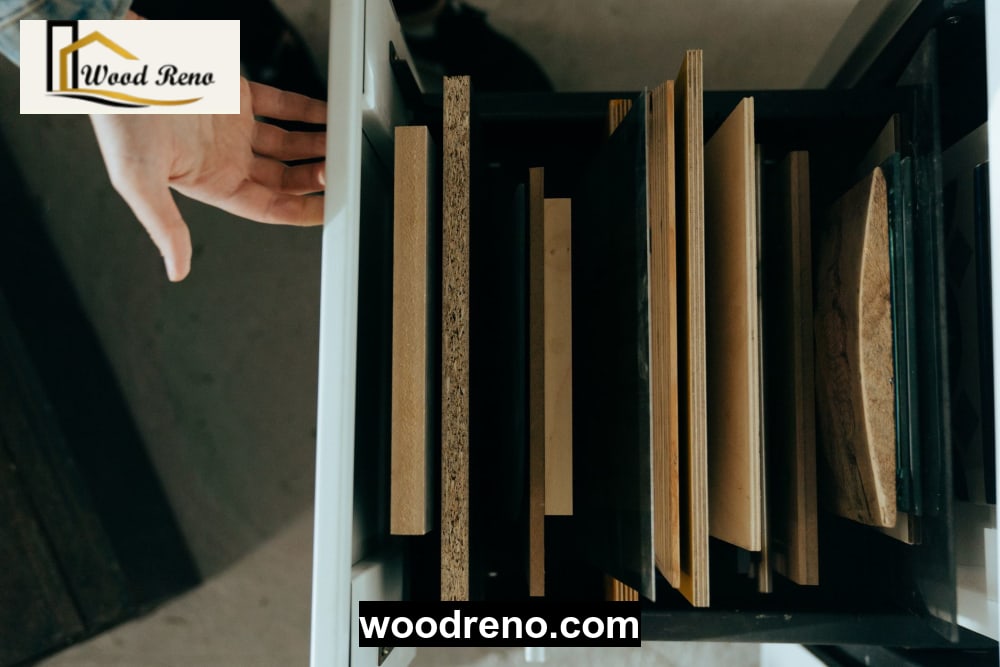
Pulling apart MDF and plywood cabinets reveals much about what makes each tick. MDF stands for Medium Density Fiberboard. It’s a composite, crafted from wood fibers and resin, pressed under heat and pressure until dense and smooth. That smoothness makes it a favourite for paint and laminate finishes across Pakistani homes because it takes colour evenly and shows no grain.
By contrast, plywood is a layered wood product made by gluing thin veneers of real wood together, each layer with its grain perpendicular to the last. This cross-graining brings strength and an inherent moisture resistance that MDF just can’t match. You get a natural wood feel, with grain patterns visible or ready for veneer.
Both claim spots in kitchens here, but their behavior in humid or termite-prone environments differs sharply. MDF cabinets tend to be more affordable initially, but their moisture sensitivity means you’ll have to pay extra attention to finishing and ventilation. Plywood costs more, but it’s tougher against humidity and insects—critical in many Pakistani locales.
💡 Pro Insight (Marcus Webb, Woodreno): I’ve seen MDF panels delaminate in poorly ventilated kitchens within months. We always recommend sealing MDF thoroughly and advising clients on airflow before they commit.
Cheap MDF might sound tempting. But you’ll want to weigh cost against maintenance and lifespan for your kitchen’s daily grind. For a full look at pricing, learn about overall kitchen renovation costs alongside cabinet material choices.
Cost Comparison: MDF vs Plywood for Kitchen Cabinets in Pakistan
Price Breakdown: Material & Labor Costs
Crafting a kitchen cabinet starts with raw material costs, but local labour can tip the scales. Here’s a snapshot typical to Pakistani workshops like ours:
| Cost Component | MDF Cabinets (PKR) | Plywood Cabinets (PKR) |
|---|---|---|
| Raw Material | 800 – 1,100 | 1,600 – 2,200 |
| Cutting & Shaping | 300 – 450 | 350 – 500 |
| Assembly & Joinery | 500 – 650 | 600 – 750 |
| Finishing (polish, paint, laminate) | 1,000 – 1,500 | 1,200 – 1,800 |
| Installation Labor | 800 – 1,200 | 900 – 1,300 |
| Total Cost | 3,400 – 4,900 | 5,650 – 7,550 |
Prices swing depending on thickness, grade, and workshop skill. MDF usually costs half or less than plywood. You sometimes pay a ‘hidden’ price with MDF because poor finishing or a missed waterproof coat means repairs sooner than expected.
The price difference doesn’t just come from raw material. Plywood demands more careful cutting and assembly because it’s less forgiving. You’ll usually get stronger cabinets, but keep in mind that labour costs naturally rise.
Explore detailed pricing for kitchen cabinets to dive deeper into how this affects your entire kitchen project.
| Attribute | MDF Kitchen Cabinets | Plywood Kitchen Cabinets |
|---|---|---|
| Price per square foot (material only) | PKR 800 – 1,100 | PKR 1,600 – 2,200 |
| Total cost (material + labor) | PKR 3,400 – 4,900 | PKR 5,650 – 7,550 |
| Durability rating | Moderate | High |
| Moisture resistance | Low to Moderate | High |
| Termite resistance | Low | High |
| Finish options (laminate, veneer, paint) | Excellent (paint, laminate) | Excellent (varnish & veneer) |
| Repairability | Moderate | High |
| Typical lifespan (years) | 5 to 10 | 10 to 20+ |
Durability & Moisture Resistance in Pakistan’s Climate
How Humidity Affects MDF Cabinets
MDF is made of wood fibers bonded with resin under pressure. That creates a smooth board, but porous and vulnerable to water. In Islamabad or coastal Karachi, where humidity can climb above 70%, poorly sealed MDF will swell and warp. Even steam from cooking can cause bubbles under paint or laminate.
When moisture breaches MDF, it softens quickly and loses structural integrity. Surface cracks develop, and once swollen, panels lose edge strength and screw-holding power.
- Priming and sealing all edges and surfaces with waterproof coatings.
- Using waterproof laminates or fully painted finishes with multiple coats.
- Good kitchen ventilation to reduce ambient moisture.
How Humidity Affects Plywood Cabinets
Plywood handles humidity better because of its cross-grain layered construction. High-quality plywood with durable glues resists delamination if water enters. It also maintains dimensional stability better than MDF.
Termite resistance is another bonus; plywood made from treated tropical hardwood veneers resists pests more naturally. However, plywood still needs a finish barrier and kitchen ventilation; untreated plywood exposed to prolonged water can still degrade over time.
At our workshop, plywood kitchens in humid climates have lasted 15 years with minimal fuss, whereas MDF ones often showed moisture damage within 3 to 5 years unless extra care was taken.
Workshop Craftsmanship: How Material Choice Affects Cabinet Quality
Workshop Tips for Working with MDF
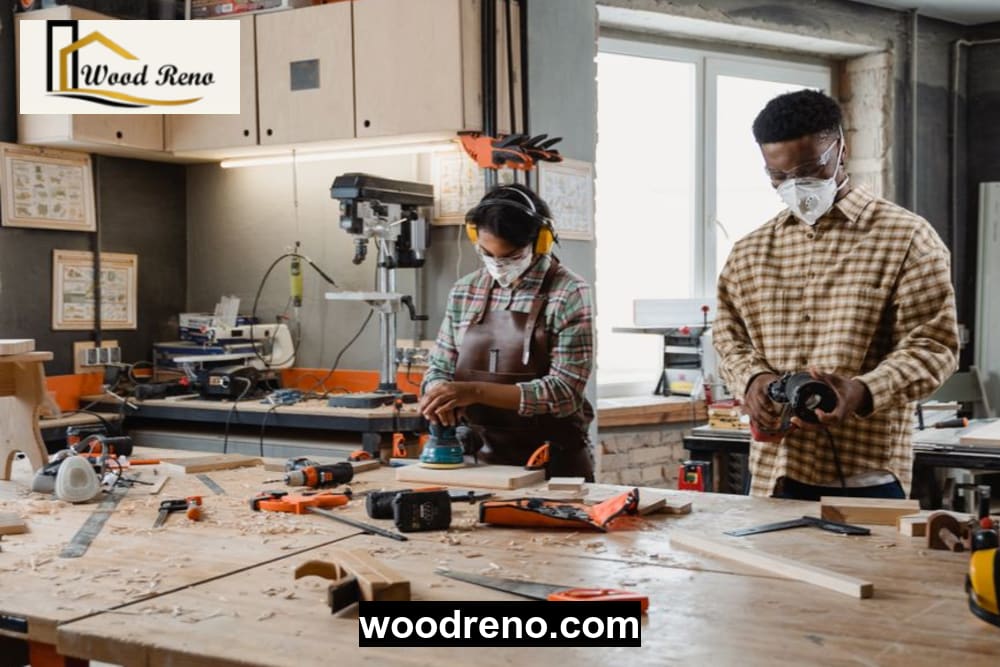
MDF’s uniform density lets you cut with clean edges without grain tear-out—great for custom shapes and detailed profiles. But cutting dust is fine and toxic; workshops must use extraction systems for safety.
When shaping MDF in our Islamabad workshop, we take time sealing edges immediately after cutting. Sanding MDF creates a velvety smooth surface ready for any paint or laminate. But over-sanding creates soft spots, so technique matters.
Workshop Tips for Working with Plywood
Plywood demands sharper blades and steady hands to avoid splintering veneer layers. Every cut edge must be sealed quickly to prevent moisture ingress.
Joinery tends to rely on screws and dowels rather than nails, with careful gluing to maintain strong joints. Veneering plywood requires skilled hand-finishing to give it that natural wood look our clients want.
Assembling plywood cabinets takes longer, but the results hold up better long term, especially in humid climates.
Discover custom kitchen cabinet options if you want to see how we tailor either material for your style and budget.
Suitability: Which Material Fits Your Kitchen Style and Budget?
Cost-conscious budgets lean toward MDF. Its smooth, even surface works well for a painted or laminated finish. Minimal grain means modern kitchens with clean lines come alive on MDF bases. MDF also allows intricate cut-outs and designs common in contemporary Pakistani kitchens.
Plywood fits buyers requesting natural wood grain, texture, and durability. It partners beautifully with veneers—walnut, oak, or teak—for a luxurious look. It suits classic, rustic, or even eclectic styles where wood’s natural character is central.
If your kitchen faces high humidity or indirect water exposure, plywood reigns supreme for lifespan and low maintenance. For dry urban areas with proper ventilation, MDF can serve well if finished competently.
Here’s a quick takeaway: MDF is budget-friendly and perfect for modern finishes but demands care to avoid moisture damage. Plywood is pricier upfront but delivers longer life and stronger resistance to local climate challenges.
Sustainability & Environmental Impact of MDF and Plywood
Eco-friendly Practices in MDF Production
MDF relies on recycled wood fibers, which is environmentally positive since it uses wood waste. However, formaldehyde-based adhesives in cheaper MDF can off-gas toxic compounds. Pakistani workshops sourcing low-VOC or no-added-formaldehyde MDF ensure healthier kitchens and better indoor air.
Eco-friendly Practices in Plywood Sourcing
Plywood may come from FSC-certified, sustainably managed forests. Choosing plywood with transparent sourcing helps reduce deforestation impact. Pakistani import restrictions affect availability, so local suppliers committed to sustainable timber are best.
Woodreno actively prefers FSC-certified plywood and low-VOC finishes for every project. Our clients appreciate knowing their kitchen choices support better environmental outcomes. Learn more about sustainable sourcing as you select your kitchen material.
Common Mistakes / What I’ve Seen Go Wrong
At Woodreno, I’ve watched countless MDF kitchen cabinets crack a finish or swell where moisture control was ignored. The most common mistake? Skipping edge sealing or trusting low-grade MDF without proper coatings. That botches the whole job fast.
Second, plywood cabinets often suffer from hurried cutting with blunt blades, leading to splintered veneers and weak joints. We always advise skilled hand-finishing and quality tools to avoid this costly rework.
Using the wrong finishing method for the kitchen’s humidity is another trap. Often, people pick trendy paints without checking if they’re waterproof or compatible with MDF or plywood.
At least one project a month comes in with termite damage on untreated plywood. Early pest-proofing treatment is essential in many parts of Pakistan.
We also see clients underestimate installation labor complexity. A skilled carpenter’s work saves headaches and future repairs.
Learn about overall kitchen renovation costs to understand how these mistakes affect your project budget.
Frequently Asked Questions About MDF vs Plywood Kitchen Cabinets Pakistan
Q1: What are the advantages of MDF for kitchen cabinets in Pakistan?
A: MDF offers a smooth, flawless surface ideal for painted and laminated finishes. It’s affordable, easy to machine, and works well for modern kitchen styles requiring intricate designs or curves.
Q2: Is plywood more expensive than MDF in Pakistani markets?
A: Yes, plywood generally costs nearly double MDF for the same kitchen cabinet area, reflecting its natural wood layers, durability, and moisture resistance benefits.
Q3: How does moisture affect MDF and plywood kitchen cabinets?
A: Moisture quickly damages MDF, causing swelling and warping unless sealed perfectly. Plywood resists moisture better due to its layered construction but still needs finishing and ventilation.
Q4: Which material lasts longer for kitchen cabinets in Pakistan?
A: Plywood typically lasts longer—up to 20 years with proper care—while MDF cabinets usually last 5 to 10 years in humid conditions before signs of deterioration appear.
Q5: Are plywood cabinets better suited for modern kitchen designs?
A: Not necessarily. MDF is often preferred for sleek contemporary kitchens due to its smooth texture and ease of painting, while plywood suits those wanting natural wood grain aesthetics.
Talk to Woodreno About Your Project
If your project involves tired timber, damaged furniture, uneven finishes, or restoration decisions you do not want to get wrong, Woodreno can help you plan the next step properly.