
A lounge wall, a white wooden door and an outdoor steel grill do not need the same coating. Using one paint everywhere may seem simple, but it often leaves walls too glossy, doors easily marked or metal rusting beneath a fresh topcoat.
For most homes, the answer to emulsion vs enamel paint is straightforward: use washable acrylic emulsion on plastered walls and enamel on painted wood, trim and metal. The harder choice is between modern water-based enamel and traditional solvent-based alkyd enamel.
The right specification also depends on preparation, moisture and the season. Islamabad–Rawalpindi heat can make paint dry too quickly, while monsoon humidity and cold winter nights can delay curing for much longer than the surface appearance suggests.
Quick answer
Use washable acrylic emulsion on sound plastered interior walls, including kitchens and bathrooms with controlled moisture. Use a compatible enamel system for doors, trim, furniture and metal because it forms a harder film; water-based enamel normally smells less and stays whiter than traditional alkyd enamel.
Key takeaways
- Washable acrylic emulsion is the practical default for broad plastered wall areas.
- Water-based enamel suits occupied interiors where low odour and colour stability matter.
- Traditional alkyd enamel flows well but cures slowly, smells stronger and may yellow in low light.
- Metal grills need rust removal and anti-corrosive primer; enamel alone does not stop corrosion.
- Heat, monsoon humidity, winter damp and construction dust can all spoil an otherwise sound paint system.
📋 Table of Contents
- Emulsion vs enamel paint: which one should you choose at a glance?
- How do drying time, smell, washability and yellowing differ?
- What is best for interior walls, kitchen walls and bathroom walls?
- What paint should you use for wooden doors, frames, cabinets and furniture?
- What paint should you use for metal grills, gates and railings?
- How should Pakistan weather and site conditions change the painting plan?
- What common paint-selection mistakes cause early failure?
- Which paint system should you specify before work begins?
- When does the job need professional assessment?
- Frequently Asked Questions
- Talk to WoodReno About Your Project
Emulsion vs enamel paint: which one should you choose at a glance?
Choose emulsion for broad, porous masonry surfaces. Choose enamel for doors, frames, skirting, cabinets and metalwork that receive knocks, fingerprints or repeated cleaning. The substrate and expected wear matter more than the word “washable” on the container.
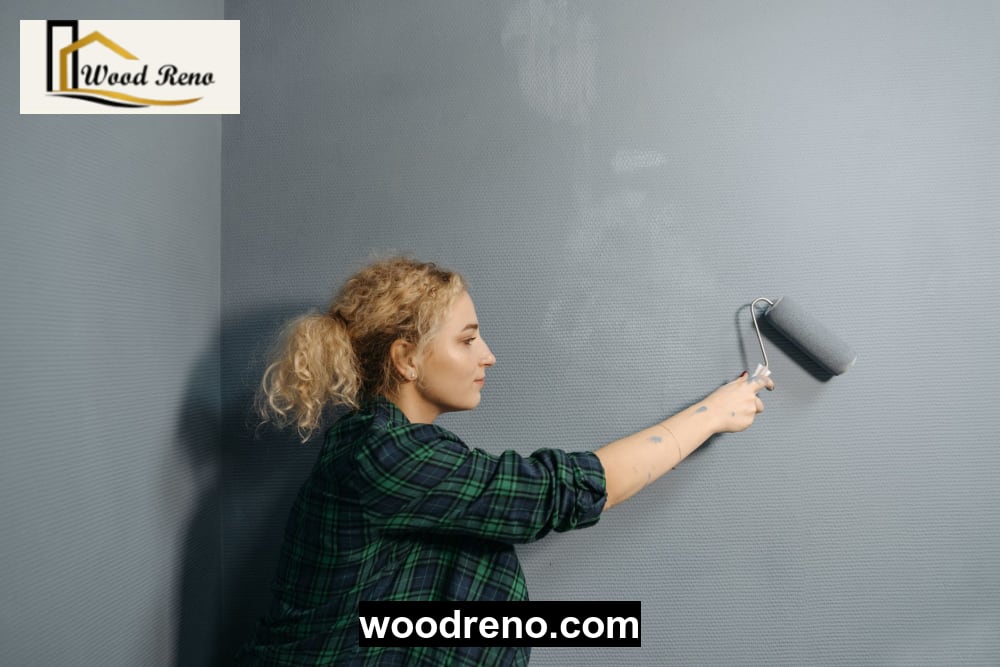
Choose emulsion for broad wall areas
Acrylic emulsion spreads efficiently over plaster, masonry filler and compatible primers. It is available in matt, silk and soft-sheen finishes, uses water for normal tool clean-up and generally causes less lingering indoor odour than solvent-based paint.
Choose enamel for hard-working wood and metal surfaces
Enamel describes a hard-wearing finish category, not one fixed chemistry. It may be water-based acrylic enamel or solvent-based alkyd enamel. Enamel paint used for metal still requires suitable rust preparation and primer beneath it.
Do not confuse finish sheen with paint chemistry
Matt enamel is not wall emulsion. It is an enamel formulated with a low-sheen appearance. Its binder, primer requirements, curing behaviour and suitable surfaces depend on the manufacturer’s formulation.
Emulsion vs water-based enamel vs alkyd enamel: choose by surface and performance need
| Paint type | Best surfaces | Typical sheen | Smell and clean-up | Drying and cure |
|---|---|---|---|---|
| Acrylic emulsion | Interior plaster and masonry | Matt to soft sheen | Lower odour; water clean-up | Usually faster; cure continues after recoating |
| Water-based acrylic enamel | Doors, trim and prepared furniture | Matt to gloss | Lower odour; water clean-up | Fast surface drying; protect during cure |
| Solvent-based alkyd enamel | Prepared wood and metal | Usually satin to gloss | Strong odour; specified solvent clean-up | Slower, especially in cool or humid weather |
| Matt enamel | Product-dependent wood, metal or trim | Low sheen | Depends on binder | Follow the exact data sheet |
Wear, yellowing and local application risks
| Paint type | Cleaning and wear | Yellowing risk | Local weather concern |
|---|---|---|---|
| Acrylic emulsion | Good if sold as washable and fully cured | Low | Can flash off on hot, dry walls |
| Water-based acrylic enamel | Good on high-touch joinery | Generally low | Humidity delays hardening |
| Solvent-based alkyd enamel | Hard film after full cure | Higher on pale colours in low light | Slow cure in damp winter conditions |
| Matt enamel | Varies; lower sheen may mark sooner | Depends on binder | Check the product data sheet |
How do drying time, smell, washability and yellowing differ?
Water-based emulsion and acrylic enamel generally become touch-dry and ready for recoating sooner than alkyd enamel. That does not mean they are ready for scrubbing, sticking door seals or heavy handling. Film hardness and chemical resistance continue developing during the full cure period.
Dry to touch is not fully cured
Touch-dry, recoat time and full cure are separate stages. Humidity above 70%, limited ventilation or a cold substrate may extend each stage. Use the label’s recoat window, then allow additional cure time before washing walls or closing freshly painted doors tightly.
Why enamel can smell longer indoors
Traditional alkyd enamel releases solvent as it dries, so its smell is normally stronger and more persistent than water-based emulsion. Ventilation helps, but occupied bedrooms and kitchens are often easier to manage with a suitable water-based enamel.
Why white oil-based enamel may yellow
Alkyd binders can develop a warm yellow cast, especially in cupboards, behind furniture and other low-light locations. The change is most obvious on white doors beside a cool-white wall. Water-based acrylic enamel is generally more colour-stable.
💡 Tip
Do not judge washability from sheen alone. A premium washable matt emulsion may tolerate routine wall cleaning better than a poorly cured glossy product.
What is best for interior walls, kitchen walls and bathroom walls?
Use a quality washable acrylic emulsion for bedrooms, lounges and corridors. Matt hides minor plaster ripples, while silk or soft sheen is easier to wipe but reveals sanding scratches, roller edges and uneven repairs under side lighting.
Kitchen walls exposed to splashes and cooking vapour
Choose a washable, moisture-resistant wall emulsion where cooking vapour is intermittent and extraction is adequate. Clean grease before sanding or painting; coating over an oily film causes crawling, weak adhesion and patchy sheen. Use a splashback behind areas receiving direct water or cooking residue.
Bathroom walls exposed to steam
A bathroom-grade wall emulsion is suitable above tiled wet zones when the plaster is dry and condensation can escape. Higher sheen improves wiping, but it also makes filler patches and roller marks easier to see.
When paint cannot fix damp
Blistering, salt deposits, dark recurring patches or soft plaster point to a moisture problem rather than the wrong topcoat. Repair leaks, failed waterproofing, rising damp or persistent condensation before repainting. Otherwise, even moisture-resistant paint may detach.
Preparation should include removing loose coating, opening and repairing cracks correctly, allowing repairs to dry, controlling dust and applying the primer specified for the substrate. After choosing the paint family, this guide to paint colours, finishes and planning helps with sheen and colour decisions.
What paint should you use for wooden doors, frames, cabinets and furniture?
For an opaque painted finish, enamel is normally the sound choice for doors, frames, skirting and suitable furniture. It produces a tougher, more cleanable surface than ordinary wall emulsion. Transparent stain, polish and clear coating are different systems intended to retain the timber’s visible figure.
Oil paint for wood versus water-based enamel
Traditional alkyd enamel is commonly called oil paint for wood in Pakistan. It levels well and gives painters more brushing time, but smells stronger, cures more slowly and may yellow. Water-based enamel has faster clean-up, lower odour and better white-colour stability, though quick drying demands disciplined brushing.
Preparation determines the result
Sand the surface evenly and remove unstable old coating. Isolate resinous knots or staining where necessary, then use a compatible wood primer and undercoat. Apply thin, even coats rather than one heavy coat that wrinkles on top while remaining soft underneath.
Cabinets and furniture need extra cure time before doors are closed, shelves are loaded or objects are left on the finish. For damaged pieces, review the required wood restoration and refinishing steps before deciding that paint alone is enough.
Allow for seasonal timber movement
Dry May–June weather can shrink timber and expose joints that were previously tight. During July and August, absorbed moisture may make doors swell and bind. Paint should not bridge moving gaps or disguise a door that needs hinge, frame or clearance adjustment.
If the existing timber has attractive grain, compare whether to paint or polish a wooden door. Paint hides the substrate; polish or a clear finish makes its colour, repairs and grain part of the final appearance.
What paint should you use for metal grills, gates and railings?
Metal needs a coating system, not enamel alone. Remove loose rust and failed paint, clean the steel, apply a compatible anti-corrosive primer and finish with an exterior-suitable enamel topcoat. Follow the manufacturer’s recoat window so the layers bond properly.
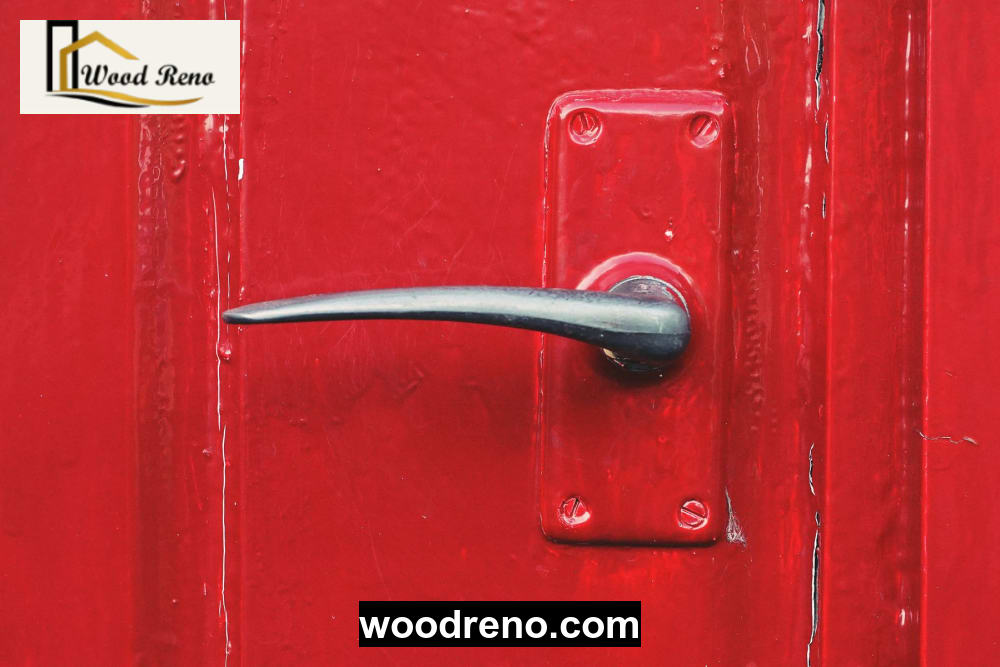
Interior metal frames and railings
Interior metal avoids rain and ultraviolet exposure but still rusts around damp floors, welds and hand-contact areas. Water-based or alkyd enamel may be suitable if the primer and existing coating are compatible.
Exterior grills and gates
Outdoor steel faces rain, dust, ultraviolet exposure and large temperature swings. Rust often returns first at welds, lower rails, sharp edges and missed backs. Enamel cannot stop corrosion if moisture can reach bare steel through these weak points.
Avoid painting sun-heated metal in peak summer. Rapid solvent or water loss can leave brush drag, poor flow and weak edge coverage. Dark colours also become hotter in direct sun. During monsoon weather, do not coat damp steel or paint when rain can reach the uncured film.
⚠️ Important
If rust remains under a sound-looking topcoat, it can continue spreading unseen. Bubbling around welds or orange staining from edges means the system needs more than another coat of enamel.
How should Pakistan weather and site conditions change the painting plan?
Generic drying estimates assume moderate conditions. Islamabad and Rawalpindi move between very dry 38–42°C summer weather, humid monsoon periods and cold, damp winter nights. The same paint can behave quite differently across those seasons.
| Condition | Likely problem | Visible sign | Practical response |
|---|---|---|---|
| May–June heat | Water-based paint flashes off too fast | Lap marks and brush drag | Work smaller sections; avoid hot surfaces |
| July–August humidity | Drying and hardening slow down | Soft film, dullness or binding joinery | Extend recoating and open-door time |
| Winter nights | Alkyd cure slows | Persistent tack or easy marking | Protect from dew; allow label-led cure |
| Construction dust | Particles settle in wet paint | Gritty gloss and rough reflections | Isolate sanding and clean between stages |
Do not close freshly painted doors and drawers simply because they feel dry. In humid weather, two coated faces can block together and tear when opened. The product label and technical data sheet override generic advice because binder chemistry and film thickness vary.
Dust control matters most on enamel because higher sheen makes every particle visible. Finish dusty repairs first, vacuum ledges and floors, wipe prepared surfaces as directed, and avoid open-window painting beside active construction.
What common paint-selection mistakes cause early failure?
- Using wall emulsion on doors: the softer film quickly develops hand marks and polished patches. Use a compatible joinery enamel instead.
- Painting enamel over rust: corrosion continues under the coating. Remove loose rust and prime bare steel before applying the topcoat.
- Recoating too soon: trapped water or solvent causes wrinkling, softness or poor adhesion. Follow the label and extend the interval in humid or cold weather.
- Choosing gloss to hide bad plaster: reflected light exposes waves, filler edges and roller marks. Repair the surface or select a lower sheen.
- Painting over active damp: pressure and salts push the coating away. Correct the source and allow the substrate to dry first.
- Mixing incompatible products: the new layer may wrinkle or detach from an unknown old coating. Test the complete primer and topcoat system first.
Which paint system should you specify before work begins?
A useful specification identifies the substrate, existing coating, repair condition and complete coating system. Writing only “two coats of paint” leaves the important decisions unresolved.
Questions to answer before selecting paint
- Is the surface plaster, previously painted wood, bare steel or another substrate?
- Is there active moisture, rust, grease, loose filler or failed coating?
- What sheen is required, and how often will the surface be cleaned?
- Will the system be water-based or solvent-based?
- Which primer, filler, undercoat and topcoat are compatible?
- How many coats does the product specification require?
- Which repairs are included before painting begins?
- How will rooms and joinery remain undisturbed during cure?
Why primer compatibility matters
Primer, filler, topcoat and any thinner must belong to a compatible system. A small test patch can reveal poor adhesion, staining, unexpected sheen and inadequate coverage, particularly when the old coating cannot be identified confidently.
When to ask for a site-specific painting scope
Recurring damp, widespread peeling, uncertain old enamel, extensive rust or binding joinery should be inspected before materials are ordered. WoodReno’s home painting service in Islamabad can provide a project-specific preparation and coating scope for properties within Islamabad.
When does the job need professional assessment?
Seek a site assessment where paint is blistering across several rooms, plaster is soft, rust has deeply pitted steel or a previous coating wrinkles during testing. These conditions may require moisture diagnosis, more extensive removal or substrate repair rather than routine sanding and repainting.
Professional planning is also useful when occupied rooms must remain usable, several coating types meet at doors and frames, or exterior work must be timed around heat and rain. A written scope should state preparation, primers, coat count, repair limits and the planned cure period before handover.
Frequently Asked Questions
How do you apply acrylic emulsion paint?
Remove loose paint and dust, repair cracks, let filler dry and apply the primer specified for the wall. Stir the emulsion, apply thin even coats by roller or brush and observe the label’s recoat interval. Keep a wet edge, especially in hot weather, and do not wash the wall until the coating has fully cured.
Is acrylic emulsion better than Tractor Emulsion?
Neither name is universally better. The correct choice depends on the surface, expected washing, required sheen, preparation and the performance stated in the exact product data sheet. Compare coverage, scrub resistance, primer requirements and suitability for kitchens or bathrooms rather than choosing only by category or product name.
What is the difference between enamel paint and regular wall paint?
Regular wall paint is usually water-based emulsion designed for broad plaster or masonry surfaces. Enamel forms a harder film for doors, trim, furniture and metal. Enamel may be water-based or solvent-based, so its smell, drying time, yellowing risk and clean-up method depend on the binder.
What paint do professional painters use for walls, wood and metal?
Painters normally specify washable acrylic emulsion for interior plaster, enamel for opaque painted woodwork, and an anti-corrosive primer plus compatible enamel for steel. The exact system changes with the existing coating, moisture, rust, desired sheen and site conditions. Preparation and compatibility matter as much as the topcoat.
Talk to WoodReno About Your Project
Every project is quoted after measurement, so the figures above are general market guidance rather than a WoodReno price. Send your measurements and photographs and the team will come back with a project-specific quotation.
Shop #1, Plot #126, I&T Center, G-9/1, Islamabad 44002 · +92 334 9000098
Sources
Reviewed by Safdar Aslam for WoodReno.