
Professional Wood Restoration: Techniques for Furniture Revival
A severe crack in a beloved oak dining table can derail your most cherished family meals. One day, it’s the centerpiece of warmth; the next, it becomes a painful reminder of neglect. In my workshop, I’ve seen countless clients walk in with similar heartbreaking tales—pieces that once held memories now begging for rescue. What they don’t realize is the potential that lies within their wood, just waiting for the right professional wood restoration techniques to bring it back to life. Today, we’ll explore the essentials of furniture refinishing, eco-friendly wood care, and the costs associated with reviving your cherished pieces. By the end, you’ll not only understand how to restore your furniture but also make informed decisions that benefit both your home and the environment.
📋 Table of Contents
How much does it cost to restore wood furniture?
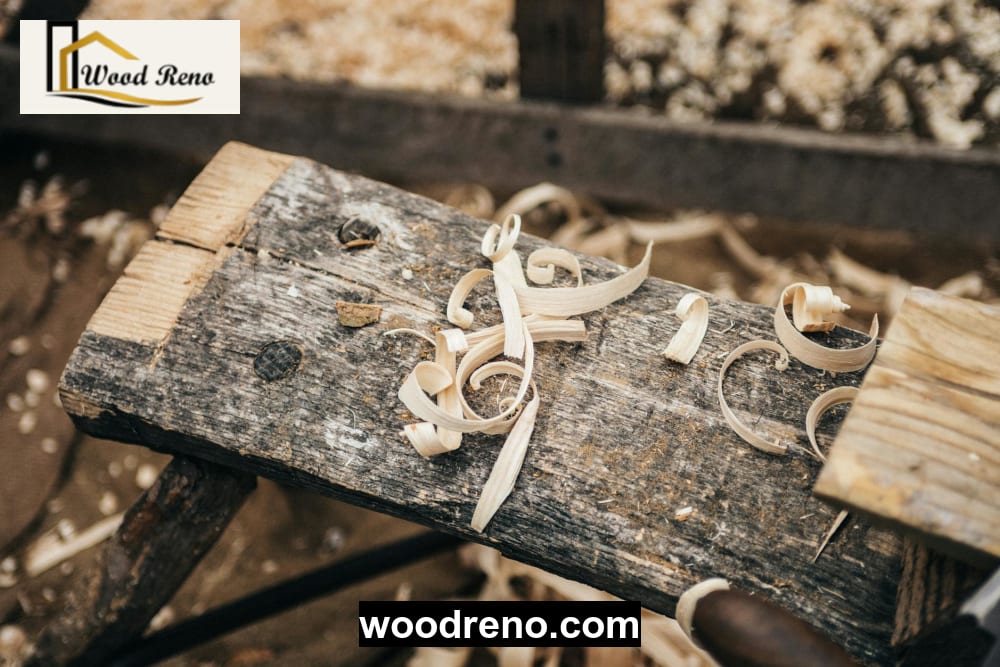
The cost to restore wood furniture can vary widely based on several factors: the type of wood, extent of damage, and desired finish. Generally, basic refinishing starts around $200 and can go up to $1,000 or more for complex repairs. If you include stripping, sanding, and refinishing—all intensive labor processes—the costs can spike. It’s essential to get a clear estimate from your chosen professional before committing. Remember, though, money spent on restoration is an investment in your piece’s longevity.
💡 Pro Insight (Marcus Webb, Woodreno): I’ve found that bringing in a professional early in the process often saves money in the long run. Ignoring early signs of damage can lead to more extensive repairs later on.
Is it worth it to restore wood furniture?
There’s an inherent value in restoring wood furniture that surpasses mere financial appraisal. The pieces often carry sentimental worth, making them irreplaceable regardless of their market value. Resurrecting a family heirloom not only maintains its story but can add functional value to your home. Beyond the emotional aspect, restored furniture can elevate your space’s aesthetics, and using FSC-certified materials keeps your conscience clean by supporting sustainable practices.
How much do furniture restorers charge?
Furniture restorers usually charge by the hour, with rates typically ranging from $50 to $150. The total cost can depend heavily on the complexity of the restoration involved. For instance, a simple refinish might take only a couple of hours, whereas a full restoration of a Victorian sideboard might require several days of painstaking work. Always request an estimate that breaks down the various stages of restoration for clarity.
Deep Dive into Restoration Techniques
Step One: Assessing the Damage
Before diving into restoration, assess the wood’s condition. Look closely at joints, surface scratches, and any signs of water damage. Pay attention to the finish; an uneven layer indicates possible underlying issues. Knowing what you’re up against helps formulate an effective restoration plan. Trust me, I’ve seen chairs saved from the brink just by meticulously evaluating what needs to be done.
Step Two: Cleaning and Preparing the Surface
Start by cleaning the surface with a mixture of vinegar and water, which effectively cuts through grime without damaging the finish. Avoid harsh chemicals as they can cause more harm than good. Once clean, allow it to dry completely before you begin sanding. You want a surface that feels smooth to the touch, where any rough spots are gently eliminated.
Step Three: Refinishing Techniques
When it comes time to refinish, there are various methods available like oil versus lacquer finishes. Oil penetrates, offering a warm glow, while lacquer provides a durable topcoat. When applying, use a fine brush or a cloth to ensure an even coat. Keep an eye out for drips, which can lead to unsightly imperfections. Always sand between layers for a professional-grade finish.

For detailed techniques, visit Fine Woodworking’s resource section for in-depth tutorials. They provide valuable insights that mirror what I experience in the workshop daily.
Comparison of Restoration Methods
| Option | Best For | Durability | Eco-Rating | Skill Level | Woodreno Verdict |
|---|---|---|---|---|---|
| Oil Finish | Indoor pieces | Moderate | Low | Beginner | Great depth of color. |
| Lacquer Finish | High-traffic furniture | High | Moderate | Intermediate | Shiny and durable. |
| Water-based Finish | Low-VOC preference | Moderate | High | Intermediate | Eco-friendly choice. |
| Shellac | Antique preservation | Low | Moderate | Advanced | Vintage appeal. |
| Polyurethane | Heavy use surfaces | Very high | Low | Intermediate | Toughest option. |
Choosing a finish depends on the project’s goals and your environment. For instance, if you have kids or pets, a heavy-duty poly finish might be your best option. For a less hectic space, opting for an eco-friendly water-based finish could complement the décor beautifully. Be sure to discuss your needs with your restoration specialist.
Woodreno’s Sustainable Artisan Outreach
At Woodreno, we are committed to eco-friendly wood care through sustainable artisan partnerships and sourcing FSC-certified materials. Our focus on low-VOC products ensures we protect our environment while respecting the craftsmanship of wood. We actively invite you to join our workshops, where you can learn the importance of sustainable restoration practices. Together, we can revitalize our furniture and our planet. Discover more about sustainability initiatives on FSC’s official website.
Common Mistakes / What I’ve Seen Go Wrong
At Woodreno, I often encounter DIYers who leap into projects without proper preparation. Here are common missteps:
- Over-Sanding: Too much sanding can damage the wood fibers. I recommend using fine-grit sandpaper to achieve a smooth finish.
- Skipping the Cleaning Step: Many skip cleaning before applying finish, resulting in uneven surfaces. A clean surface is paramount!
- Ignoring Moisture Levels: Moisture trapped in wood leads to warping. Always check the moisture content before starting.
Each of these mistakes can lead not only to disappointing results but also to costly repairs. Quick fixes often lead to further complications; being meticulous pays off.
For more guides on avoiding common restoration pitfalls, check out our Guide to Eco-Friendly Antique Wood Restoration Techniques.
Frequently Asked Questions About Professional Wood Restoration
Q1: What is professional wood restoration?
A: Professional wood restoration involves repairing and refinishing wooden furniture to restore its original beauty and functionality.
Q2: How do you restore wood furniture with vinegar?
A: To restore wood furniture with vinegar, mix equal parts vinegar and water, apply to the surface, and wipe clean to remove grime. This prep aids in deeper refinishing.
Q3: How long does it take to restore wood furniture?
A: The time taken varies by type and condition, but expect anywhere from a few hours for simple restorations to several days for complex pieces.
Q4: How much do furniture restorers charge per hour?
A: Furniture restorers typically charge between $50 to $150 per hour depending on their experience and the complexity of the restoration.
Q5: Is it worth hiring a professional for furniture restoration?
A: Yes, hiring a professional ensures high quality, saves time, and prevents costly mistakes that can arise during DIY attempts.
Taking care of your wood furniture
Taking care of your wood furniture is both a preservation effort and an investment in your home’s charm. Are you ready to embark on your restoration journey? Whether you’re considering a deep restoration or just a sprucing up, don’t hesitate to consult Woodreno’s professional team. Your pieces deserve the best.
© WoodReno Pakistan — woodreno.com | Professional Furniture Restoration & Woodworking Services