
Expert Guide to Professional Wood Restoration Techniques
There’s nothing like the sound of a cabinet door creaking open, the warm glow of polished wood, and the rich scent of a newly finished surface that fills a workshop. I often find myself immersed in these sensory experiences while restoring family heirlooms for clients. These pieces often have deep stories to tell, yet they suffer from years of neglect, water damage, or misguided DIY efforts. Understanding professional wood restoration is key to breathing new life into these valued possessions and ensuring they can be cherished for generations. This guide will delve into effective furniture refinishing techniques and provide eco-friendly wood care tips to tackle your restoration projects.
Revive Your Furniture with Professional Wood Restoration
📋 Table of Contents
What is Professional Wood Restoration?
Professional wood restoration is more than just fixing scratches or applying a fresh coat of paint. It’s a meticulous process that involves assessing the type of wood, understanding its original finish, and employing furniture refinishing techniques that preserve its inherent beauty. Wood is an organic material that can be deeply affected by moisture, temperature changes, and wear over time. Professional restoration pays careful attention to these factors.
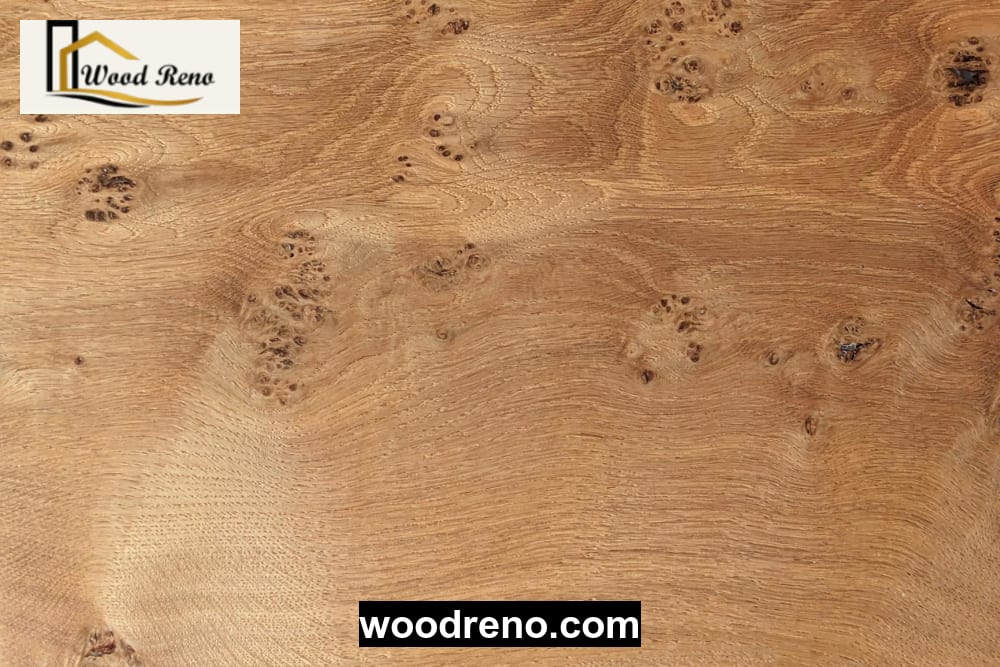
The hallmark of a quality restoration job is not merely aesthetic appeal but structural integrity too. This means replacing broken parts and stabilizing the wood to resist future damage. A few key techniques include sanding, filling in cracks, and applying appropriate wood finishes.
💡 Pro Insight (Marcus Webb, Woodreno): When restoring a vintage piece, always test finishes on inconspicuous areas first. This helps avoid any unsightly surprises down the line.
Guide to Eco-Friendly Antique Wood Restoration Techniques
How to Restore Wood Furniture
Step 1: Assessing the Condition of Your Furniture
Before diving in, evaluate the condition of your wood furniture. Check for cracks, dents, loose joints, and the type of finish. Use a magnifying glass over areas that need careful attention, assessing moisture damage or mold presence.
Step 2: Cleaning and Preparing the Surface
Start with a gentle cleaning solution, like a mix of vinegar and water, to remove grime. Wipe down the piece thoroughly, allowing it to dry completely. If you’re tackling layers of old varnish, you may consider using a chemical stripper or gently sanding the surface.
Step 3: Applying Finishes
Choose your finish based on your desired look and the piece’s use. Oil finishes penetrate the wood, while polyurethanes provide a protective top coat. Be sure to apply thin layers, allowing each to dry completely between applications for the best results.

For eco-friendly users, consider using low-VOC finishes or natural oils, that are safer for indoor air quality.
For a deeper look into restoration methods, take a look at our Guide to Professional Wood Restoration for Furniture.
Comparison of Different Finishing Techniques
| Option | Best For | Durability | Eco-Rating | Skill Level | Woodreno Verdict |
|---|---|---|---|---|---|
| Oil Finish | Preserving natural wood look | Moderate | High | Beginner | Excellent for nourishing wood without added gloss. |
| Polyurethane | Heavy-use furniture | High | Moderate | Intermediate | Durable and scratch resistant, but can look artificial. |
| Wax | Low-use decorative pieces | Low | High | Beginner | Beautiful finish, but requires frequent reapplication. |
| Shellac | Antique restoration | Moderate | High | Intermediate | Great for a natural finish, but less durable. |
| Water-based Lacquer | Even coverage | High | High | Advanced | Quick-drying and clear finish, but requires practice. |
Woodreno’s Sustainable Artisan Outreach
At Woodreno, we take pride in our commitment to sustainable practices. Our wood comes from community timber partnerships and suppliers who follow guidelines for FSC certification. Beyond our restoration services, we offer workshops and sustainability consultations. Helping individuals connect with eco-friendly wood care is part of who we are. We invite you to join our movement for responsible craftsmanship.
Learn more about FSC certified materials.
📞 Book a Free Consultation
Common Mistakes in Wood Restoration
Restoration isn’t always straightforward. Over my years in the workshop, I’ve witnessed numerous DIYers make costly mistakes. Here are a few that stand out:
- Skipping surface preparation. Many rush into it. Proper cleaning and sanding are crucial to avoid poor adhesion of finishes.
- Using the wrong products. Outdated or incorrect materials can complicate restoration, leading to costly rework.
- Rushing the drying process. Applying additional coats before the previous ones are dry can ruin the finish. Always check before proceeding.
- Neglecting to stabilize. Leaving joints loose can lead to further damage over time. Properly reinforcing these is critical.
For those looking to avoid specific pitfalls, check out our Revive Your Antique Furniture with This Wood Restoration Guide.
Frequently Asked Questions About Professional Wood Restoration
Q1: What is professional wood restoration?
A: Professional wood restoration involves repairing and refinishing wooden furniture to restore its original beauty and integrity. It includes techniques like sanding, sealing, and applying protective finishes.
Q2: How do I restore wood furniture?
A: Restoring wood furniture involves assessing its condition, cleaning, sanding, filling cracks, and applying suitable finishes. Each step is vital to preserving the piece’s character.
Q3: How long does wood restoration take?
A: The time for wood restoration can vary based on the condition of the piece and the techniques used, ranging from a few days to several weeks.
Q4: Is varnish or polyurethane better for wood restoration?
A: Polyurethane offers greater durability and protection, while varnish provides a more natural, warm finish but can be less durable. The choice depends on your application needs.
Q5: Is it worth hiring a professional for furniture restoration?
A: Hiring a professional ensures that restoration is done correctly, preserving the piece’s integrity and value. It’s a wise investment for valuable antiques or family heirlooms.
If you’re ready to take your restoration projects to the next level, reach out to our team for expert guidance in professional wood restoration. Whether it’s revitalizing an old family heirloom or starting your own woodworking adventure, Woodreno is here to help. Let’s transform those forgotten pieces back to their former glory.
Here to help | contact Woodreno for professional restoration services.
© WoodReno Pakistan —
woodreno.com
| Professional Furniture Restoration & Woodworking Services