
“`html
Professional Wood Restoration & Furniture Refinishing: Proven, Eco-Friendly Techniques
A nervous client stands beside her grandmother’s oak dressing table, still damp around the feet from last month’s boiler leak. One leg is darker than the rest, swollen and spongy; the top is a patchwork of dull sections and streaky gloss. She asks, “Is this worth saving?” I run a dry hand over the grain. The surface feels gritty—like it’s been bathed in city dust and neglect for decades. That sharp note in the air? Old polish mingled with mildew, and the unmistakable tang of trouble.
You’re about to get the full, unvarnished truth about professional wood restoration. I’ll walk you through essential furniture refinishing techniques, eco-friendly material choices, and the traps DIYers stumble into—plus the exact steps I take to rescue lost timber beauty. If you want results that endure and don’t compromise your conscience, you’re in the right workshop.
📋 Table of Contents
What Is Professional Wood Restoration & Why Bother?
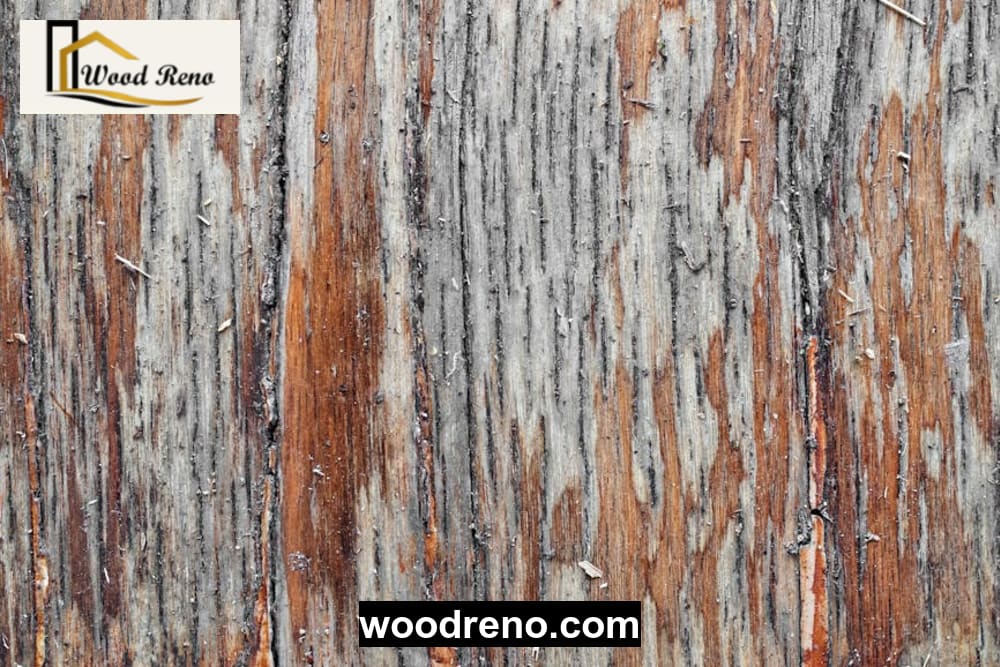
If your first thought is “Can I just slap a coat of varnish on and call it done?” let me stop you right there. Professional wood restoration is about slowing time—bringing a piece back to its proudest form without erasing its story. Faded watermarks, smoke stains, deep gouges, or flaking finishes need more than elbow grease. They need a strategy.
You don’t restore wood merely for looks. True restoration preserves the structure, integrity, and soul of a piece that’ll outlast fleeting trends or short-lived flatpacks. The process blends chemistry (what finish to use), tactile skill (how far to strip), and informed restraint (what to leave untouched for authenticity).
What’s the point? If you value sustainability, restoration is a direct act of conservation. Every sideboard you bring back is another nail in the coffin of wasteful fast furniture. Spend the extra time, learn proper techniques, and your work will echo for generations.
💡 Pro Insight (Marcus Webb, Woodreno): Don’t trust a finish just because it looks new on the surface. Run your hand against the grain—if you feel drag or catch old grit under your fingernail, the prep wasn’t done right. Prep is 70% of restoration. Never rush it.
The Technical Deep Dive: Step-by-Step Refinishing
Step 1: Surface Preparation—Cleaning, Stripping, & Sanding
First, remove loose grime with a soft-bristle brush and a cloth dampened (not soaked) in a 1:5 solution of white vinegar and water. Don’t saturate the wood. Too much water swells grain and causes more trouble than it solves.
Gummy old finishes? For shellac or lacquer, I use denatured alcohol or a dedicated solvent. Polyurethane is stubborn—stripper gels work, but always ventilate well and glove up. I’ve watched too many DIYers skip the stripping and pay the price with patchy, unpredictable results.
After removing old finishes, sanding starts. Begin with 120 grit for rough leveling, then 180, finishing with 220. Sand with the grain. Under your hand, a properly sanded surface feels slick but not slippery, almost like running your finger along a fresh-cut apple. Miss this, and any new finish will highlight the old flaws under unforgiving light.
Step 2: Repairs—Dealing with Water Damage & Gouges
For swollen leg bases or peeling veneer (like that damp oak dressing table), I wick out moisture with paper towels, then clamp gently as the wood dries. Deep splits? I inject wood glue into the fissure, set clamps, and check alignment by feel, not just by eye. Wood with water staining may need an oxalic acid wash—always test a hidden spot first; it can bleach more than just the stain.
Missing veneer corners aren’t DIY putty territory in my workshop. I cut patches from reclaimed veneer, match the grain and color, and press them flush. If the patch runs slightly proud, I feather the edge with a cabinet scraper—not sandpaper. Why? Because scrapers keep the repair crisp, echoing the original surface.
Step 3: Applying Eco-Friendly Finishes
No two jobs use the exact same finish. On heirlooms, I often choose a dewaxed shellac base—quick to dry, easily reversible, and classic in scent: think honey and warm dust. For modern pieces or high-traffic use, I lean toward water-based polyurethane or low-VOC oil-wax blends. These let the wood breathe and won’t poison your indoor air.
Polyurethane wins for kitchen tables needing bulletproof durability, but a hand-rubbed oil feels so much richer—like your hand and the timber are sharing something. Let each coat cure fully before the next. Rushing invites cloudy blushes and fisheyes. Always use fresh, lint-free cloths for application.
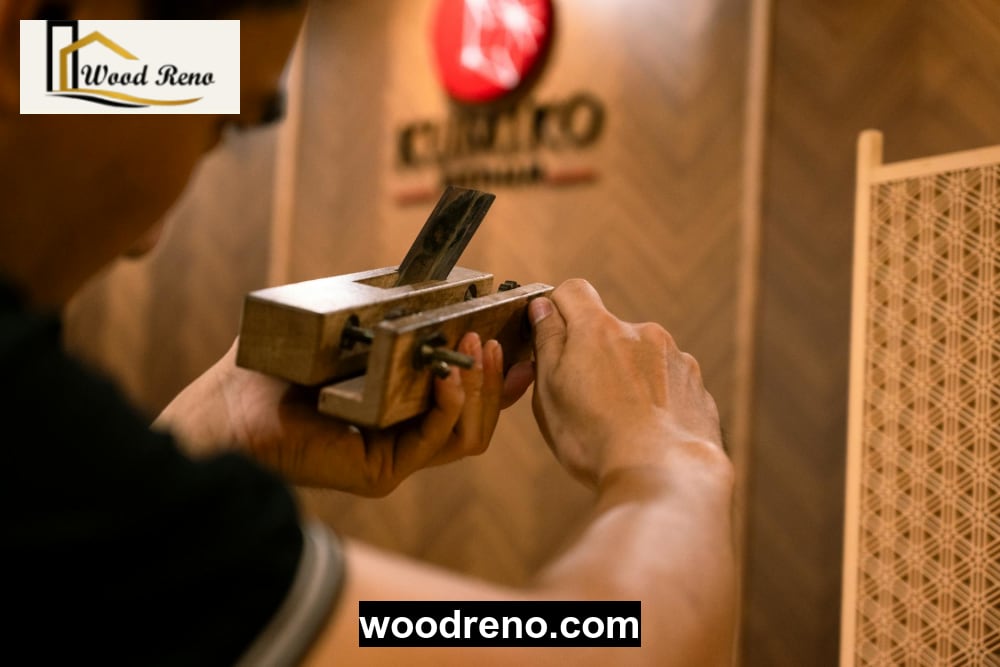
For a deeper dive into advanced techniques or specialty finish combos, Fine Woodworking offers a masterclass.
Finish & Method Comparison Table
| Option | Best For | Durability | Eco-Rating | Skill Level | Woodreno Verdict |
|---|---|---|---|---|---|
| Oil & Wax Blend | Antique pieces, easy touch-ups | Moderate | High (low-VOC) | Beginner | Rich look, easy to refresh |
| Shellac | Collectibles, color matching | Good if undisturbed | Moderate | Intermediate | Historic, beautiful, reversible |
| Water-Based Polyurethane | Dining tables, kids’ furniture | High | High (low-VOC) | Intermediate | Resilient and non-yellowing |
| Traditional Varnish | Outdoor/Heritage doors | High | Low | Advanced | Tough, but off-gasses |
| Paste Wax | Occasional-use surfaces | Low | High | Beginner | Beautiful feel, needs frequent care |
Woodreno’s Sustainable Artisan Outreach
At Woodreno, sustainable timber isn’t a marketing buzzword—it’s a handshake promise. We source all restoration material from FSC-certified suppliers, often working with reclaimed boards from local de-constructions. Our shop uses only low-VOC finishes and adhesives, and we invite clients to hands-on skills workshops every season. Interested in sustainability consultations or joining a community build day? Let us know. You can verify our practices at fsc.org.
Common Mistakes / What I’ve Seen Go Wrong
At Woodreno, I’ve watched eager DIYers sink projects—and money—by skipping vital steps. Here are the most common:
- Over-sanding detail. I’ve seen chair spindles flattened and edge beading erased because someone grabbed 80-grit and went to town. My fix: Start with a light hand and check your progress under angled light. If crisp lines vanish, you’ve gone too far.
- Cheap product choice. Big box store “pro” finishes often leave a plastic feel and odd odor that never leaves. I invest in professional-grade, low-VOC finishes—yes, they cost more, but you’ll gain clarity and depth without the chemical sting.
- Ignoring moisture. Sealing in water with a fresh coat is like trapping rot. Before any finish, I leave repaired wood in a dry, well-ventilated space for days. No exceptions.
- Missing grain alignment on patches. I can’t count the stripes I’ve seen running the wrong way because someone eyeballed a patch. I always align grain direction, using offcuts from the same species (or even the same piece if possible).
- Skipping safety. One client landed themselves in A&E after solvent exposure. Always glove up, ventilate thoroughly, and store rags outside—oiled rags can spontaneously combust.
Frequently Asked Questions About Professional Wood Restoration
Q1: What is professional wood restoration?
A: Professional wood restoration means repairing, cleaning, and refinishing furniture so it regains its original strength and style—without erasing its historic character.
Q2: What are the steps for refinishing old wood furniture?
A: Clean the surface, strip the old finish, repair any damage, sand smooth, then apply fresh (ideally low-VOC) finish coats—let each cure fully before recoating.
Q3: How much does furniture restoration cost?
A: Cost ranges widely—small jobs might be $150–$300, but large heirlooms needing repairs can run $1,000+. Professional assessment is needed for accuracy.
Q4: Oil vs polyurethane for furniture—what’s better?
A: Both have strengths. Oil gives a rich, tactile look—great for antiques. Polyurethane is tougher, ideal for tables or heavy-use pieces; water-based formulas have lower VOCs.
Q5: Is it worth hiring a professional for wood restoration?
A: If the piece has sentimental value, complex damage, or antique provenance, a professional brings expertise, safe materials, and methods that preserve value far beyond DIY fixes.
Book a Consultation
Don’t just read about professional wood restoration—get your hands on an honest project. Pick up that battered bureau you’ve been hiding in the garage, feel the grain, and ask yourself what story you want to continue. If you want results, Woodreno can walk you through every stage—technique, material, and eco-friendly approach.
© WoodReno Pakistan — woodreno.com | Professional Furniture Restoration & Woodworking Services
“`