
Professional Wood Restoration: Expert Furniture Refinishing Techniques
A warped Victorian sideboard sat against the workshop wall. Its veneer bubbled like a sunburn, and the water stains told stories of neglect and damp basements. I ran my fingers across the rough edge where the finish cracked beneath my touch. That moment—when I decided the piece could be saved without trashing its soul—defines professional wood restoration. It’s not just about slapping on varnish or sanding down to bare wood but knowing how and when to preserve the history packed into every grain.
📋 Table of Contents
You’ll learn straightforward furniture refinishing techniques that respect the craft and embrace eco-friendly wood care. I’ll walk you through what works, what wastes your time and money, and how to avoid the corners most DIYers botch early on. You can turn that tired heirloom or damaged workbench into a thing of lasting beauty and durability.
Understanding Professional Wood Restoration

Professional wood restoration means bringing damaged or neglected wood back to life while respecting its character and original craft. It’s more than simply stripping and refinishing; I evaluate each piece’s structure, moisture content, and finish type before deciding the best approach. The goal is to stabilize any problem areas, retain as much original material as possible, and apply finishes that will protect against future wear. Every species and finish responds differently, so experience counts.
Refinishing techniques vary according to wood condition and intended use. Sometimes a light sanding and a quick application of a penetrating oil will revive the surface beautifully. Other times, you need a full teardown and rebuild of warped panels or water-logged joints.
💡 Pro Insight (Marcus Webb, Woodreno): I’ve seen a veneer crack a finish in under a week when refinishing cuts corners. Take the time to assess the substrate’s moisture levels—rushing this step wrecks your entire job.
Furniture Refinishing Techniques: Step-by-Step
Assessing and Preparing the Wood
Start by cleaning the wood surface gently with a natural cleaner designed for wood—never harsh chemicals. Feel the texture under your fingertips; rough patches signal old finish breakdown or damage. Testing moisture content with a meter can save you weeks of rework, especially with water-stained furniture. You want wood that’s stable before refinishing.
Remove any loose debris or failing finish by hand-sanding lightly; avoid aggressive stripping unless absolutely necessary. I find that easing into sanding with fine-grit paper preserves delicate grain patterns and historic surface details.
Selecting and Applying the Finish
I can’t give you a universal answer here—it depends entirely on the species and the original finish. Traditional oils, shellacs, and lacquers each interact uniquely with various woods. For an eco-friendly approach, I rely on low-VOC, water-based finishes or natural oils like tung or linseed, which nourish without heavy chemical residues.
Apply finish in thin coats, always sanding lightly between applications. Watch for uneven absorption—noticeable in raking light—and address these zones with gentle blending. The scent of drying tung oil has that faint, nutty aroma; it’s a marker of a patient, well-done job.
Repairing and Refinishing Details
Small cracks or chips require epoxy fillers matched to the wood tone; I’ve learned the hard way that poorly matched repairs stick out like sore thumbs. For damaged veneer, I patch meticulously and clamp under pressure to avoid bubbling post-finish. Refinishing hardware is another beast—removing and cleaning metal parts separately prevents corrosion or staining under your finish coats.
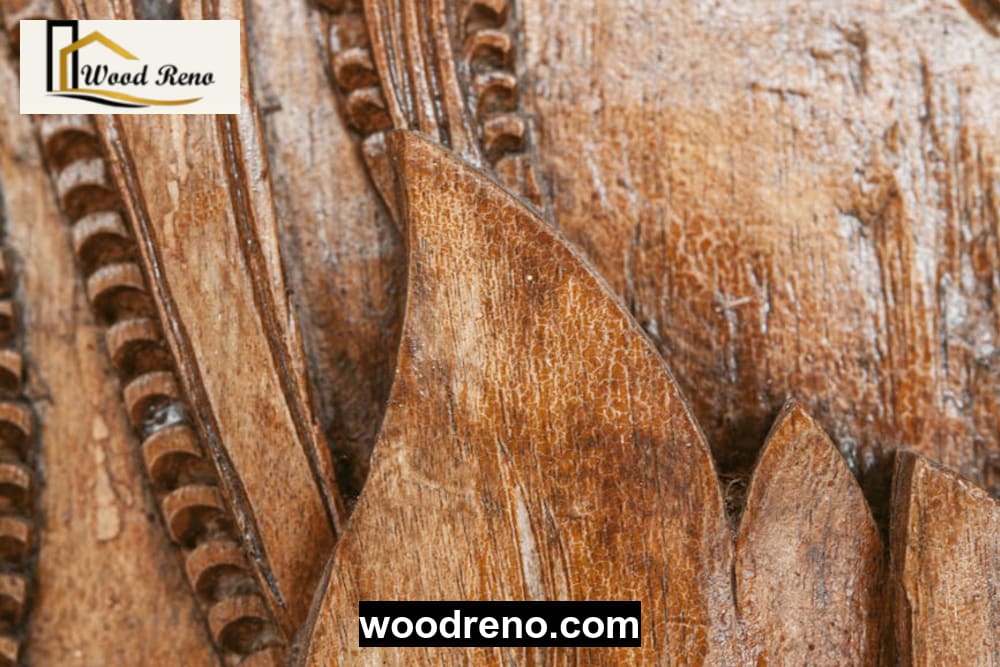
For more detailed refinishing tips and wood species guidance, check out resources like local makers and home renovation community, which provide insights into techniques and tools used by experts.
Comparing Finishes and Approaches
| Option | Best For | Durability | Eco-Rating | Skill Level | Woodreno Verdict |
|---|---|---|---|---|---|
| Tung Oil | Natural look, easy touch-up | Medium | High | Medium | Great for eco-friendly care |
| Shellac | Antique furniture | Medium | Medium | High | Beautiful but less durable |
| Lacquer | High gloss, commercial use | High | Low | High | Durable but less sustainable |
| Water-based Poly | Modern pieces, durability | Very High | High | Medium | Balances eco and protection |
| Beeswax | Light protection, tactile feel | Low | Very High | Low | Best for gentle surfaces |
Explore more about these finishes in our finishing techniques guide to choose the right coating for your project.
Woodreno’s Sustainable Artisan Outreach
At Woodreno, sustainability shapes every restoration job. We work closely with community timber partnerships, sourcing mostly FSC-certified wood and materials (fsc.org) to keep forests healthy. Our finishes are all low-VOC or natural oils that reduce harmful emissions in your home and the workshop.
Clients often ask how they can join this effort. We host hands-on workshops teaching eco-friendly wood care and offer personalized sustainability consultations. It’s about caring for the wood and the world at the same time—practical steps anyone can take, no matter the project size. Learn more about the rising interest in sustainable living initiatives supporting craftspeople across Pakistan.
Common Mistakes and What I’ve Seen Go Wrong
At Woodreno, I’ve watched countless DIY attempts crash on avoidable pitfalls. One frequent mistake is skipping moisture testing before refinishing. Wood that’s too wet sucks up finishes unevenly and leads to peeling or bubbling. I always insist on drying wood thoroughly to prevent this.
Another big one: aggressive sanding through old finishes without fully understanding what’s beneath. I’ve seen faded water rings turn into stubborn stains when exposed raw, requiring expensive specialty treatments. Instead, I use a gradual approach, preserving as much original finish as possible.
Many rush finishes, applying thick coats to save time. That backfires—runs, tackiness, and uneven drying result. Patience wins. Thin layers with proper drying intervals make all the difference. Lastly, not removing hardware carefully can lead to rust stains beneath finish coats. I remove, clean, and reattach hardware separately to avoid this headache.
For advice on troubleshooting, see our common furniture restoration errors guide.
Frequently Asked Questions About Professional Wood Restoration
Q: What is professional wood restoration?
A: Professional wood restoration involves repairing, refinishing, and preserving wood furniture or structures to extend their life while maintaining original character and integrity.
Q: How do you refinish old wood furniture?
A: Start by cleaning and assessing the wood’s condition, then lightly sand or strip old finish as needed, repair damage, and apply appropriate finishes in thin, controlled coats.
Q: How long does professional wood restoration take?
A: Restoration timelines vary widely but expect anywhere from several days to a few weeks, depending on damage severity and drying times between finish coats.
Q: What’s better for refinishing wood: oil or lacquer?
A: Oils offer natural penetration and ease of upkeep; lacquers provide a hard, glossy finish but require more skill and often contain harsher chemicals. Choice depends on wood type and use.
Q: Is it worth hiring a professional for wood restoration?
A: Absolutely. Pros bring experience in assessing wood species, damage, and finishes, avoiding costly mistakes that DIY attempts often cause.
Ready to Restore Your Wood Furniture?
Restoring wood to its former glory demands care, skill, and respect for the material. Are you ready to stop watching your moment pass? Woodreno brings two decades of firsthand restoration expertise to your doorstep, using proven furniture refinishing techniques and eco-friendly wood care that protects your investment and the planet.
Schedule a consultation and let’s get your project started the right way with Woodreno’s restoration services.
© WoodReno Pakistan — woodreno.com | Professional Furniture Restoration & Woodworking Services