
Wooden doors in Pakistani homes take a beating from weather and daily use. One morning, you glance at a door with peeling paint or a dull finish peeling at the edges—the dilemma hits hard. Should you slap on another coat of paint or work on polishing it back to life? This aged wood smells faintly of sawdust and sunlight filtering through the nearby window. The decision defines not just aesthetics but cost, durability, and maintenance in Pakistan’s unique climate. Comparing door paint vs polish in Pakistan goes beyond gloss or color: it’s about choosing the right armor and shine for your wood.
Understanding these options means knowing their differences, costs, and how they endure our harsh weather. By the end, you’ll have practical knowledge and insider tips straight from Woodreno’s workshop experience to pick the best finish for your wooden doors. Let’s get into it—and if you want a deep dive on costs, check out our complete guide on wooden door polish pricing.
📋 Table of Contents
- What Are Door Paint and Polish? Definitions and Differences
- Benefits of Using Door Paint on Pakistani Wooden Doors
- Advantages of Polishing Wooden Doors in Pakistan
- Cost Comparison: Door Paint vs Polish in Pakistan
- Durability and Maintenance for Painted vs Polished Doors
- Suitability of Paint vs Polish for Different Pakistani Wood Types and Climates
- Environmental and Sustainability Considerations for Door Paint and Polish
- Workshop Insights: Choosing Between Paint and Polish for Wood Restoration
- How to Apply Door Paint and Polish: Tips from Woodreno Experts
- Frequently Asked Questions
What Are Door Paint and Polish? Definitions and Differences
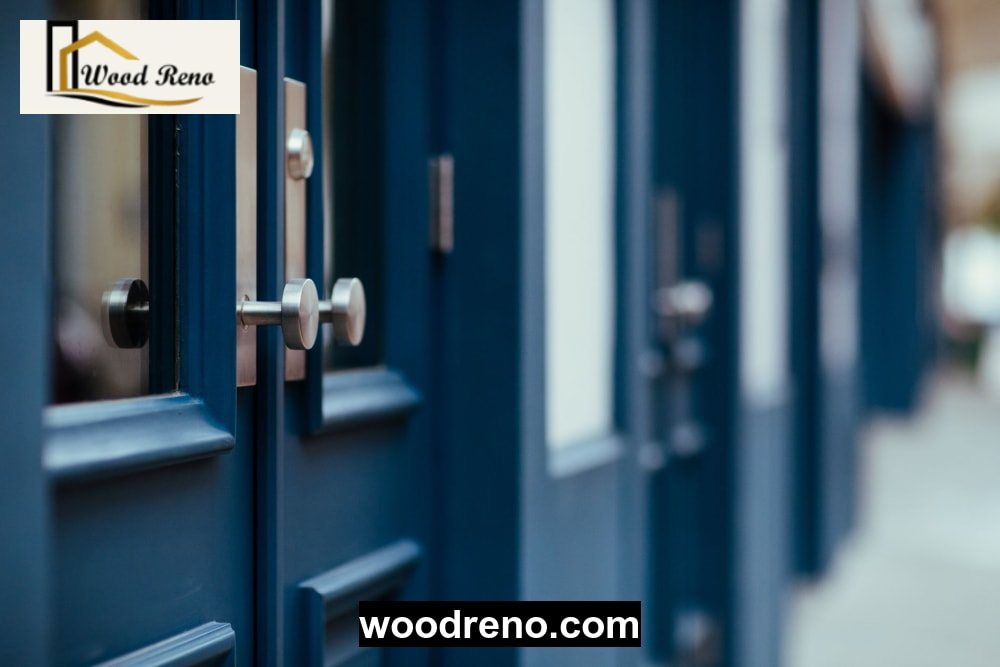
Door paint is a pigmented coating designed to cover the wood surface, providing color and a protective layer against moisture, UV rays, and wear. Typically acrylic or enamel-based, door paints create a solid film that hides the wood’s natural grain. In Pakistan, popular paint types for doors include enamel gloss and semi-gloss variants, prized for vibrant colors and strong weather resistance.
Conversely, door polish is a clear or tinted finish that emphasizes the wood’s natural grain and texture. Polishes are usually oil- or resin-based, penetrating the wood and enhancing its inherent look rather than masking it. They protect by sealing pores and resisting moisture and dust while adding a lustrous shine. Traditional wood finishes like varnish, polyurethane, or lacquer count as polishes.
The key difference lies in opacity and application purpose: paint conceals wood to refresh or dramatically change appearance, while polish preserves and beautifies wood’s original character. Their maintenance routines, costs, and effects on wood differ accordingly.
💡 Pro Insight (Marcus Webb, Woodreno): In our Islamabad workshop, I’ve noticed applying paint on older, rougher wood often traps moisture, leading to blistering underneath. Polishing lets timber breathe better and lasts longer if the wood is solid but weathered.
Learn about trusted door polishing services in your area to understand professional options.
Benefits of Using Door Paint on Pakistani Wooden Doors
Doors painted in bright hues don’t just stand out—they shield. Pakistani summers scorch, winters bring drizzles, and monsoons dazzle havoc on unprotected wood. Paint provides a tough shield against these elements, especially effective in blocking moisture absorption.
Painted doors can be customized with any shade, satisfying trends or blending with architecture. The glossy enamel types reflect light well, adding a fresh, vibrant look to traditional and modern homes alike.
Paint covers wood imperfections—knots, stains, or prior damage—making restoration feasible without replacing panels. The feel of a freshly painted door is cool gloss under the fingertips, smooth and bold.
Maintenance is straightforward: regular cleaning with mild soap and periodic repainting keeps the surface healthy. Enamel paints used locally are designed to resist fading from heat and UV rays better than cheaper exterior paints.
Advantages of Polishing Wooden Doors in Pakistan
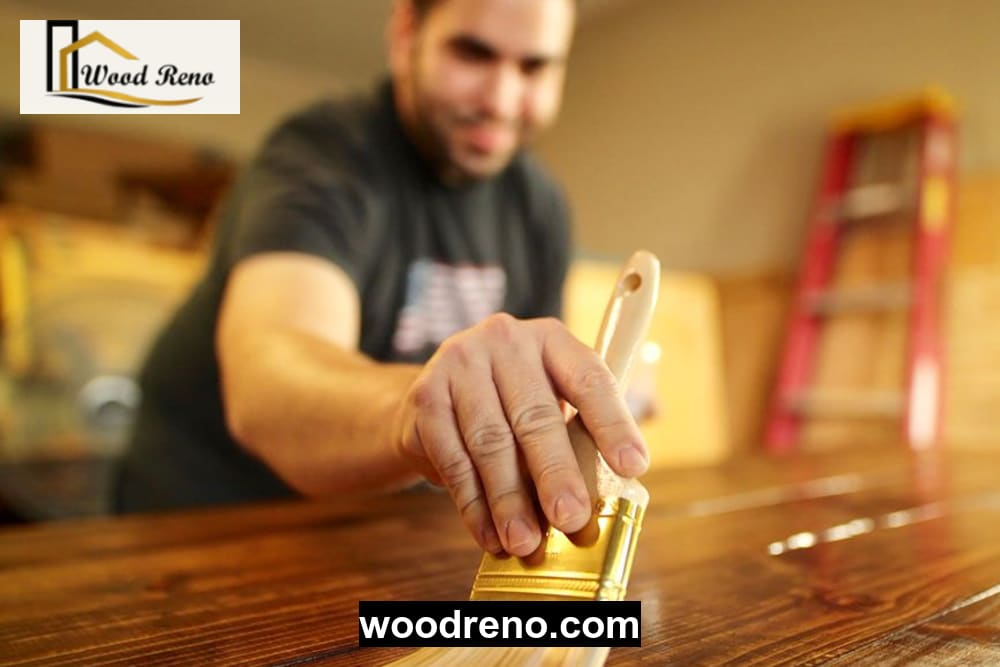
Elegant, natural wood grain is central to many Pakistani wood styles—Sheesham, Walnut, or local Mango wood. Polishing respects and enhances this beauty with a depth no paint can match. It reveals subtle color shifts and the tactile warmth of natural fiber.
Polished doors often boast greater flexibility; the finish expands and contracts with the wood, reducing cracking and peel common in painted surfaces under intense temperature swings. Polish penetrates and seals without suffocating the wood, providing moisture resistance while maintaining some breathability.
From the Woodreno workshop, polished wood carries a refined scent—subtle pine or varnish aroma—and feels velvety smooth, catching the light softly. Polishing generally delivers longevity in Pakistan’s hot, humid zones when applied correctly.
Lower maintenance demands characterize polish finishes. You can touch up small marks easily without stripping layers. For those who prize eco-friendliness, natural or low-VOC polishes offer less environmental impact than synthetic paints.
Explore our guide on bed polishing costs and techniques for similar wood treatment insights.
Cost Comparison: Door Paint vs Polish in Pakistan
| Criteria | Door Paint | Door Polish |
|---|---|---|
| Initial Material Cost | Moderate (PKR 500-1200 per liter) | Moderate to High (PKR 800-1500 per liter) |
| Labor/Application Time | Faster (2-3 hours typical) | Longer (3-5 hours) |
| Maintenance Cost | Medium (repainting every 2-3 years) | Low (annual or biannual touch-ups) |
| Longevity/Durability | 2-4 years outdoors | 4-6 years or more |
| Weather Resistance | High (good paints) | Moderate to High (depends on polish type) |
| Environmental Impact | Moderate to High (VOC content) | Low to Moderate (natural oils reduce VOC) |
| Appearance/Finish | Opaque, colorful | Transparent, natural grain visible |
| Reapplication Frequency | Every 2-3 years | Every 3-5 years |
Price ranges fluctuate depending on paint brand or polish quality, but local markets in Lahore and Karachi offer competitive options. For detailed polish pricing, check out our complete guide on wooden door polish pricing. A quick cross-reference with kitchen cabinet polishing costs can also help frame budgeting; see our kitchen cabinet polishing guide.
Durability and Maintenance for Painted vs Polished Doors
Paint forms a film layer sitting on the surface—its defenses come from thickness and hardness. However, chips happen easily in high-traffic areas or where the door meets moisture frequently. In Pakistan, UV damage causes painted colors to fade unevenly, and without proper primers, peeling is common by the second year.
Polishing, working beneath the surface, offers flexibility so cracks don’t widen fast. However, polish doesn’t provide full occlusion like paint, so you might see wood discoloration if exposed to prolonged water damage. Regular oil polishing maintains the finish and reaffirms moisture resistance.
Maintenance for paint means scrub and sand rare spots before repainting. For polish, spot cleaning and occasional reapplication of oil or varnish usually suffices. In extreme weather zones—Sindh’s blazing heat or Khyber’s dry winters—polish often retains integrity better over time.
Suitability of Paint vs Polish for Different Pakistani Wood Types and Climates
Sheesham reacts well to polish, enhancing its heavy grain and natural redness. But if the timber is rough or previously coated, paint might mask the shabby surface and protect against termite damage found in southern Pakistan’s humid coastal areas.
Mango wood, with lighter grain, shines under polish but can dull fast if oil quality is poor. Paint’s protective layer serves better there if the wood hasn’t been well-seasoned.
The climate shifts matter. In high-humidity cities like Karachi or Islamabad’s monsoon season, paint is preferable for its robust water barrier. Interior doors in drier northern plains do best with polish, where breathability and natural looks feature more.
I can’t give you a universal answer here—it depends entirely on the species and the original finish. Woodreno tests finishes according to your local wood type and exposure.
Environmental and Sustainability Considerations for Door Paint and Polish
Pakistan’s construction industry increasingly values eco-friendliness. Conventional door paints carry volatile organic compounds (VOCs), which pollute indoors and outdoors and pose health risks.
Natural polishes with plant oils or shellac content drastically reduce VOC emissions. Eco-conscious homeowners in urban Karachi and Lahore who use low-VOC or water-based products report better indoor air quality.
Woodreno recommends sustainable finishing choices vetted for environmental impact—select brands that comply with international standards or local green certifications. We caution against cheap synthetic paints from unknown sources, which often contain heavy metals or carcinogens.
A visit to fsc.org explains the benefits of sourcing responsibly harvested wood, a consideration linked closely to finishing choices for long-term sustainability.
Workshop Insights: Choosing Between Paint and Polish for Wood Restoration
In 20+ years at Woodreno, I’ve restored hundreds of wooden doors of varying ages, wood types, and use-cases. A common error I see is rushing paint over poorly prepared wood—humidity causes bubbles and peeling within months.
Proper preparation is key. Sanding smooth, cleaning all dust, and applying primer if painting are non-negotiable. Polishing demands more patience for oil absorption and multiple coats. Some polishes require sanding between layers to maintain smoothness.
Doors in commercial settings with heavy use might suit paint, especially if colors need to match interiors strictly. For residential or heritage homes, polish preserves character and allows wood to “breathe.”
Consider consulting expert door repair from us to set your door right before finishing. Our team has unrivaled experience adapting products to Pakistan’s climate challenges.
For professional help, consider our expert wooden door repair services to optimize your project.
How to Apply Door Paint and Polish: Tips from Woodreno Experts
Proper Surface Preparation
Begin with removing old flaky paint or polish using a scraper and fine sandpaper. Dew and dust settling in grain pores wreck adhesion—wipe the door down with a tack cloth or damp rag until the wood feels smooth and clean. Sanding the wood correctly exposes fibres to hold polish or paint tightly.
Applying Door Paint
Opt for a high-quality primer for bare wood, especially in moisture-prone zones. Allow it to dry completely—typically 4-6 hours. Use a synthetic brush for enamel paint or spray for speed and smooth finish. Thin, even coats prevent runs or pooling. Let each layer dry fully. Two coats are standard.
Applying Door Polish
For oil-based polish, use natural-fiber brushes or soft cloths. Work in long, even strokes following the wood grain. Expect to wait 12-24 hours between coats. Use fine steel wool between coats for silky touch. For wax polishes, buff vigorously to bring out the shine. The faint scent of boiled linseed oil often sticks, signaling a proper cure.
Check out our complete guide on wooden door polish pricing for a detailed cost breakdown.
Frequently Asked Questions
Q1: What are the main differences between door paint and polish?
A: Door paint covers wood with a pigmented, opaque layer protecting and changing its appearance. Polish enhances wood’s natural look with a transparent, penetrating finish protecting and adding shine.
Q2: How do I decide between painting or polishing my wooden doors?
A: Assess wood condition, desired aesthetics, and budget. Paint suits rough or damaged wood and color needs. Polish suits well-seasoned wood where natural grain is prized and lower maintenance is desired.
Q3: Does polish protect wooden doors from moisture better than paint?
A: Paint provides a thicker barrier against moisture, but polish allows wood to breathe while offering moderate moisture protection. Each has pros depending on wood type and weather exposure.
Q4: How often should I reapply door paint and polish in Pakistan?
A: Paint usually needs reapplication every 2-3 years in harsh climates. Polish can last 3-5 years with periodic maintenance, depending on exposure and product quality.
Q5: Are polished doors easier to maintain than painted ones?
A: Yes. Polished doors generally need less frequent full refinishing and allow spot repairs, while painted doors require more regular complete repainting and surface prep.
Talk to Woodreno About Your Project
If your project involves tired timber, damaged furniture, uneven finishes, or restoration decisions you do not want to get wrong, Woodreno can help you plan the next step properly.