
Professional Wood Restoration: Preserve Your Furniture
Last summer, I stood in my workshop, attempting to coax life back into a faded oak dining table. The layers of old finish clouded its natural beauty; the wood cried out for help. The rough feel under my fingertips validated my suspicion that neglect had left it vulnerable. I rolled up my sleeves, ready to showcase the art and science of professional wood restoration. Throughout this journey, you’ll learn how to restore, preserve, and care for your furniture using sustainable methods. Explore tips for DIY restoration.
📋 Table of Contents
What is Professional Wood Restoration?

Professional wood restoration is more than a touch-up. It’s about breathing new life into beloved pieces, respecting their history, and enhancing their longevity. The process involves assessment, cleaning, repairing, refinishing, and protecting the wood. Each step is tailored to the wood’s species, condition, and grain, ensuring that its unique character shines through. Whether it’s a cherished heirloom or a thrift store find, the goal is to restore its original glory.
💡 Pro Insight (Marcus Webb, Woodreno): Always test a small area when applying new finishes. I once ruined a beautiful cherry dresser by not patch-testing the stain. Don’t make that mistake!
How to Restore Wood Furniture
Step 1: Assessment and Cleaning
The first step in restoration is assessing the piece. Look for scratches, burns, or watermarks. You want to understand what you’re working with. Cleaning is essential; use a gentle solution of soap and water to remove dirt without damaging the surface, then dry it thoroughly. The smell of aged wood, especially when clean, can be satisfying—almost like fresh pine in the air.
Step 2: Repairing Damage
Next, address any damages. If you encounter deep scratches, fill them with wood filler that matches the species. For missing parts, like a leg or intricate details, consider fabricating a replacement. I’ve often used epoxy for cracks—it’s durable and easy to shape. Remember, successful repair depends on blending with the existing wood grain.
Step 3: Refinishing the Surface
Preparation is key. Sand the surface with fine-grit sandpaper to smooth rough spots and create an even texture. The tactile feedback from a well-sanded surface is unmistakable. After sanding, clean the dust away before applying your chosen finish. Try oils, lacquers, or waxes for a budget-friendly restoration solution.
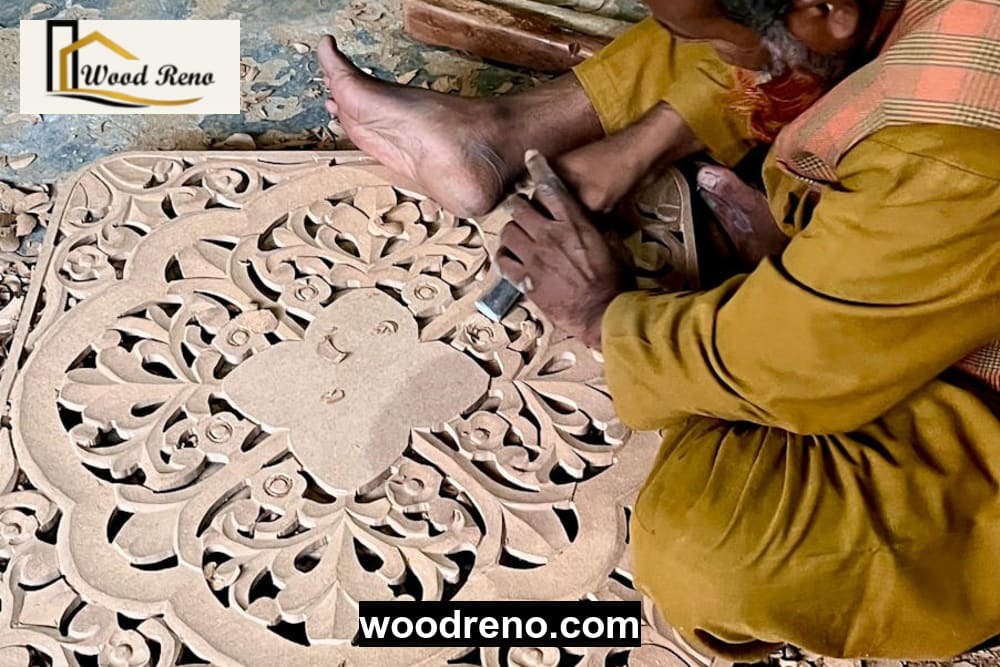
For detailed guidance on finishes, check out Fine Woodworking, which offers a thorough exploration of various options.
Finishes and Treatments Compared
| Option | Best For | Durability | Eco-Rating | Skill Level | Woodreno Verdict |
|---|---|---|---|---|---|
| Oil Finish | Natural look | Moderate | High | Easy | Great for darker woods |
| Lacquer | Furniture pieces | High | Moderate | Advanced | Recommended for durability |
| Polyurethane | Heavy-use items | Very High | Low | Advanced | Best for kitchens and baths |
| Coconut Oil | Cutting boards | Moderate | High | Easy | Safe for food prep |
| Wood Wax | Final touch | Low | High | Easy | Perfect for tabletops |
Interested in our full range of restoration services? Visit our service offerings page for more details.
Woodreno’s Sustainable Artisan Outreach
At Woodreno, we believe in responsible craftsmanship. Our team sources FSC-certified materials and uses low-VOC, eco-friendly products. We partner with local timber suppliers to ensure our projects have minimal environmental impact. You can get involved by joining our community workshops or scheduling a sustainability consultation. Together, we can make a difference! Learn more at FSC.org.
Common Mistakes in DIY Restoration
At Woodreno, I’ve watched countless DIYers make the same mistakes, costing them time and money. Here are a few:
- Skipping surface prep: Many skip sanding and cleaning, leading to uneven finishes. Always prep the surface first.
- Choosing wrong finishes: Not all finishes work with every wood type. I recommend matching the finish to the wood for great results.
- Overusing chemicals: Harsh cleaners can damage the grain. Always opt for mild cleaning agents.
- Ignoring temperature and humidity: I once ruined a finish by applying it in high humidity. Timing matters.
Looking for professional help? Check out our restoration services for expert advice and assistance.
FAQs About Professional Wood Restoration
Q1: What is professional wood restoration?
A: Professional wood restoration involves assessing, repairing, and refinishing wooden furniture or surfaces, preserving their integrity and enhancing their appearance.
Q2: How do I restore wood furniture?
A: Start by cleaning, assessing damage, repairing it, and then refinishing the surface with your chosen method. Ensure you sand well before applying any finish.
Q3: How long does wood restoration take?
A: Restoration time varies. Simple repairs may take a few hours while extensive work could span several days, depending on the piece and its condition.
Q4: Oil finish vs lacquer finish?
A: Oil finishes provide a natural look and feel, while lacquers offer higher durability and a smoother final appearance. Choose based on your usage needs.
Q5: Is it worth hiring a professional?
A: Hiring a professional can save time and prevent costly mistakes. Their expertise ensures quality and longevity for your cherished pieces.
Get in Touch with Woodreno
Take your restoration skills to the next level. Dive into this satisfying craft and breathe new life into your furniture. Remember, professional wood restoration isn’t just about aesthetics; it’s an eco-friendly practice that preserves our heritage. Reach out to Woodreno for your next restoration project—let’s bring your wooden treasures back to life!
© WoodReno Pakistan — woodreno.com | Professional Furniture Restoration & Woodworking Services