
Professional Wood Restoration: Mastering the Craft of Furniture Refinishing
The smell of old varnish fills my workshop as I flip over a century-old sideboard. It’s been in the family for generations, just waiting for someone to give it the love it deserves. What meets my eyes is a tapestry of cracks, stains, and a worn finish that tells a story. This is where the magic of professional wood restoration begins. I’m here to help you navigate the landscape of furniture refinishing techniques, using sustainable practices that honor the history of each piece while breathing new life into it. From understanding costs to mastering techniques, let’s dive into the essentials that will empower you to tackle your own wood restoration projects.
📋 Table of Contents
- How much does it cost to restore wood furniture?
- Is it worth it to restore wood furniture?
- How much do furniture restorers charge?
- Is it cheaper to refinish furniture or buy new?
- Technical Deep Dive: Essential Furniture Refinishing Techniques
- Comparison of Different Finishing Techniques
- Woodreno’s Sustainable Artisan Outreach
- Common Mistakes: What I’ve Seen Go Wrong
- Frequently Asked Questions About Professional Wood Restoration
How much does it cost to restore wood furniture?
The cost of restoring wood furniture can vary widely depending on a few key factors—condition, size, and materials needed. For a basic restoration, you might spend anywhere from $150 to $500. If the piece has significant damage, costs could exceed $1,000. The choice of eco-friendly or traditional finishes will also influence your budget. Remember, investing in high-quality restoration can save you from needing frequent repairs down the line. Explore eco-friendly options for your project.
💡 Pro Insight (Marcus Webb, Woodreno): Always consider the sentiment behind your piece. Sometimes, the time spent restoring an heirloom makes all the difference, far beyond the dollar signs involved.
Is it worth it to restore wood furniture?
Absolutely! Restoring wood furniture is often more about value than price. A well-executed restoration not only improves aesthetics but can also enhance durability. Plus, environmentally speaking, restoring a piece means you’re keeping it out of a landfill, making a statement that matters. Think of the unique character wood develops over time; restoration allows you to keep that charm while reviving its essence. Investing time and effort into restoration pays dividends in appreciation and utility. Learn more about reviving your furniture with sustainable methods.
How much do furniture restorers charge?
Furniture restorers typically charge by the hour, with rates ranging from $50 to $150, depending on experience and complexity of the job. A detailed, high-quality restoration will often take several hours, leading to more substantial totals. When selecting your restorer, communicate your goals, and ensure they have experience with the type of furniture you have. Transparency in pricing and experience will help you avoid unexpected costs down the road.
Is it cheaper to refinish furniture or buy new?
Refinishing typically costs less than purchasing new furniture, especially when dealing with antiques or quality pieces. New furniture often lacks the character and longevity of older styles. For example, if you have a solid wood dining table, a professional touch can restore its beauty for far less than replacing it with lower-quality composite furniture. Plus, you’re minimizing waste, which is a massive win for the environment. So ask yourself: would you rather preserve history or contribute to landfill waste? Discover our guide on professional wood restoration for furniture.
Technical Deep Dive: Essential Furniture Refinishing Techniques
Step 1: Assessment and Preparation
Before diving into any refinishing project, assess the piece’s condition. Look for structural integrity, existing finishes, and damaged areas. Prepare the workspace with proper ventilation and tools ready: scrapers, sanders, stain, and finishes. Each step should feel methodical and considerate; don’t rush. This stage sets the tone for the quality of your restoration. For more in-depth guidelines, check out our professional restoration guide.
Step 2: Stripping Old Finish
Stripping involves removing the existing finish without damaging the wood underneath. Chemical strippers are effective and should be used with caution, ensuring adequate ventilation and protective gear. You can also use heat or sanding methods, depending on the intricacy of the design. Aim for naked wood to appreciate its natural beauty; inspect for imperfections before proceeding to sanding.
Step 3: Sanding and Smoothing
Once the old finish is gone, sanding is crucial for a smooth surface. Don’t skip this step. Begin with coarse sandpaper, gradually moving to finer grits. This process not only removes scratches but enhances the surface’s tactile feel. A well-sanded surface feels like silk against your fingertips and allows stain and finish to absorb evenly. Remember to wipe down the dust between different grits.
Step 4: Staining and Finishing
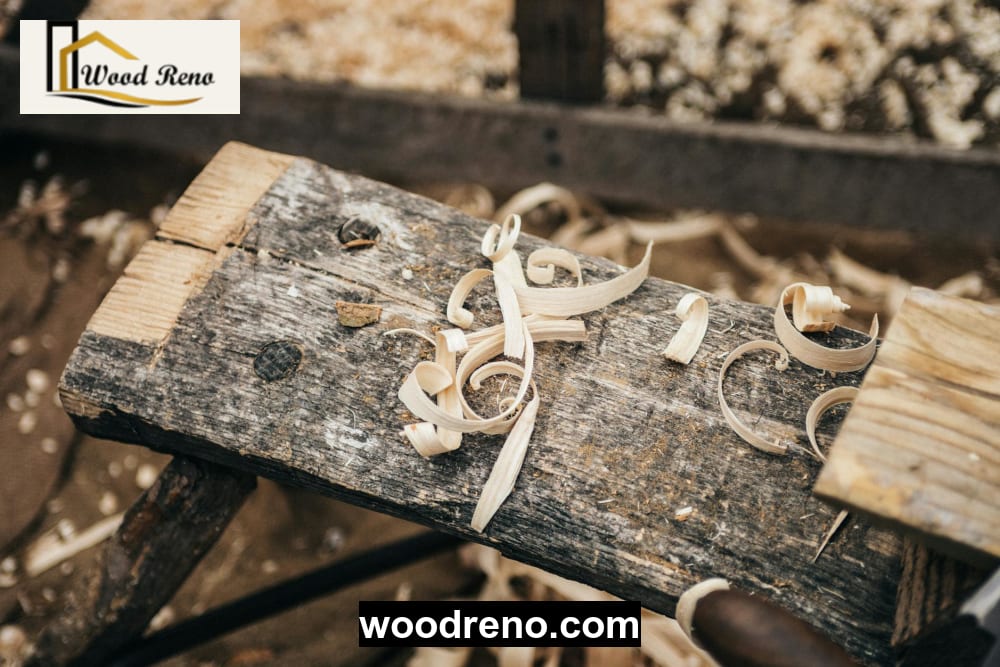
Staining adds color and depth to wood, showcasing its grain. With tools like foam brushes or rags, apply the stain evenly and allow it to penetrate. Finishing comes next—this is where you seal the wood, protecting it from abuse. Water-based finishes are eco-friendly and less toxic, while oil-based options offer greater durability. Choose based on the environment where the furniture will reside.
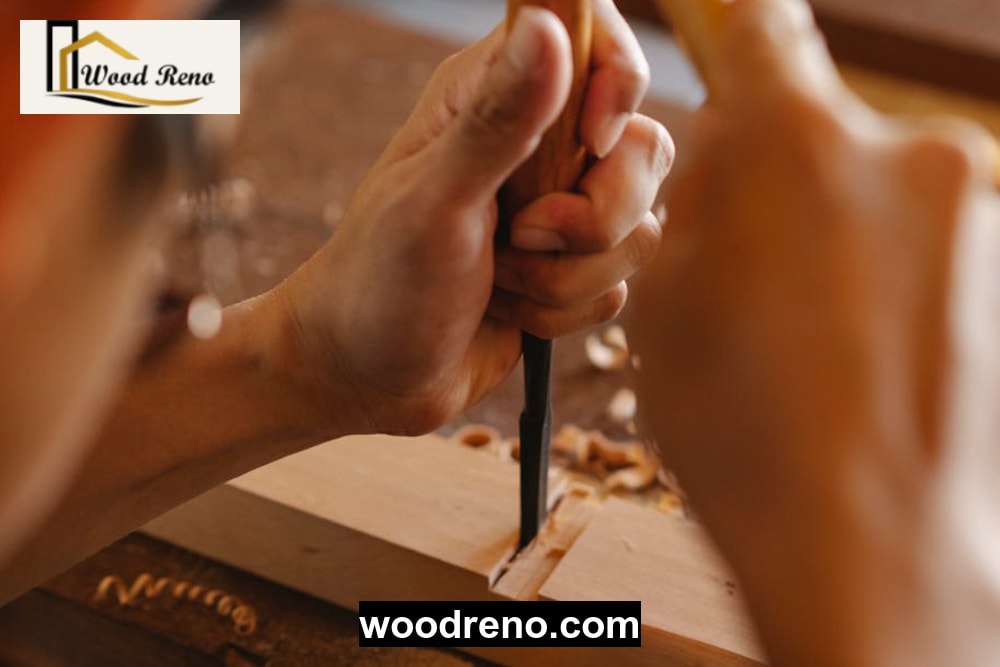
Comparison of Different Finishing Techniques
| Option | Best For | Durability | Eco-Rating | Skill Level | Woodreno Verdict |
|---|---|---|---|---|---|
| Oil-based Stain | Deep Color | High | Low | Intermediate | Rich finish, but slow drying. |
| Water-based Stain | Eco-Friendly Projects | Medium | High | Beginner | Fast-drying, great for sustainability. |
| Shellac | Antiques | Medium | Medium | Advanced | Beautiful finish, needs care. |
| Polyurethane | Heavy Use Areas | Very High | Medium | Intermediate | Durable, but can yellow. |
| lacquer | Professional Finishing | Very High | Low | Expert | Sleek finish, requires skill. |
Check out our eco-friendly restoration techniques for a more sustainable approach to wood repair.
Woodreno’s Sustainable Artisan Outreach
At Woodreno, we are committed to sourcing materials responsibly, partnering with local timber suppliers, and utilizing FSC-certified products. Our commitment to sustainability goes beyond just furniture restoration; it’s about fostering a community that understands the value of craftsmanship and eco-friendly choices. Join us for our workshops and contribute to sustainable practices right in your home. Every little bit helps build a future where craftsmanship and responsibility walk hand in hand. For more information on sustainable practices, visit fsc.org.
Common Mistakes: What I’ve Seen Go Wrong
At Woodreno, I’ve watched DIYers tackle restoration projects, only to hit walls of frustration. Here are some common mistakes that can lead to costly results:
- Skipping the Prep Work: Never underestimate the importance of preparation! A poor start leads to failures down the line.
- Choosing the Wrong Stain: I’ve seen too many folks pick a stain based on looks alone. Test it first!
- Not Following Instructions: Each finish has its specific instructions. Ignoring them can yield unpleasant results.
- Over-sanding: Too much sanding can damage the wood. Less is often more; watch your pressure.
- Neglecting Maintenance: After the restoration, ongoing care is crucial. Don’t let your work slip away!
For detailed strategies to avoid these pitfalls, visit our guide.
Frequently Asked Questions About Professional Wood Restoration
Q1: What is professional wood restoration?
A: Professional wood restoration is a process aimed at repairing and reviving existing wooden furniture and fixtures to restore their original beauty and functionality.
Q2: How do I restore wood furniture myself?
A: Start by assessing the condition, stripping the old finish, sanding the surface, and applying your choice of stain or finish. Each step demands attention to detail.
Q3: How much does it cost to restore furniture?
A: Costs range from $150 to over $1,000 depending on the piece’s condition and required repairs. Be sure to budget adequately.
Q4: Is it better to refinish or buy new?
A: Refinishing is usually more cost-effective than buying new, especially for antique or quality pieces which hold sentimental or intrinsic value.
Q5: Is it worth hiring a professional for restoration?
A: Hiring a professional can save time and guarantee quality. Their experience can prevent costly mistakes that amateur restorers sometimes make.
Dive deeper into our full guide for more tips and tricks.
Ready to start your own wood restoration project?
Don’t let fear hold you back; you now have the tools to revive that old piece of furniture you’ve been meaning to restore. There’s no better time than now to begin your journey of professional wood restoration. Whether you’re going DIY or consulting with experts, your furniture deserves to shine again. For more hands-on assistance, consider reaching out to our team at Woodreno.
© WoodReno Pakistan — woodreno.com | Professional Furniture Restoration & Woodworking Services