
The first time I had to tackle a restoration project, I stood staring at a beautiful but badly worn Victorian sideboard. Its wood was dulled, the original finish was cracked, and the signs of neglect were all too evident. I could smell the damp timber mingled with the dust that resembled neglected memories. That piece had potential, though, and I knew it could come back to life with some professional wood restoration techniques. The right approach can make all the difference between a beautiful revival and a costly disappointment. In this article, you’ll learn practical furniture refinishing techniques and eco-friendly wood care methods that will leave your pieces looking as good as new.
📋 Table of Contents
Understanding Professional Wood Restoration
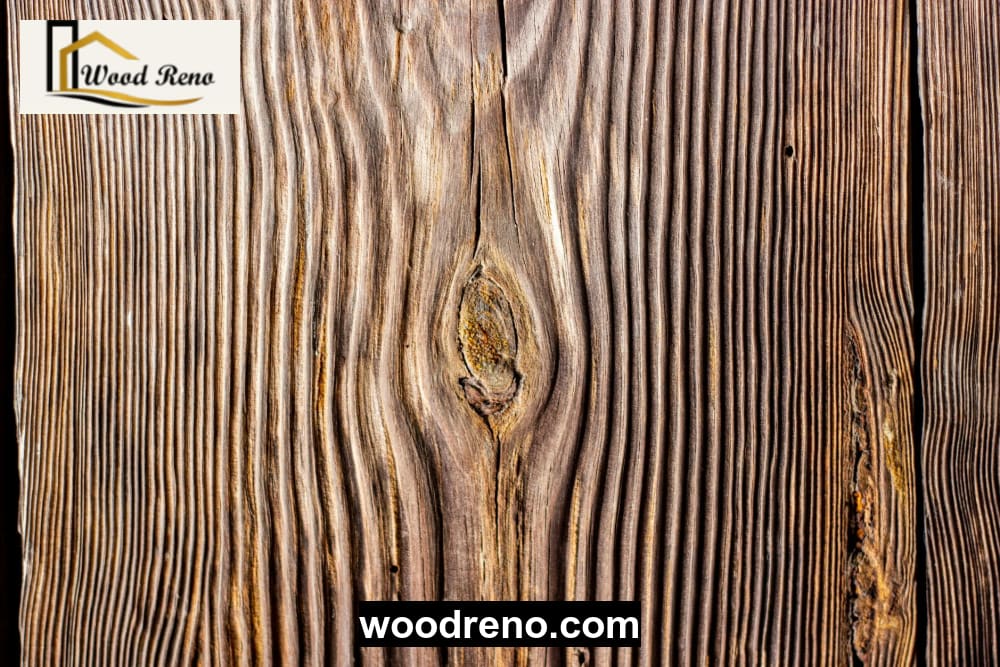
Professional wood restoration involves assessing the damage and applying the right techniques to restore beauty while preserving the piece’s integrity. It’s not just about appearance; it’s about ensuring long-term sustainability. From peeling paint to water stains, the goal is to revitalize and protect the wood.
💡 Pro Insight (Marcus Webb, Woodreno): Always start with a thorough inspection to identify the type of damage and the wood species. Knowing what you’re dealing with can save you time and money.
The restoration process can be extensive, often involving multiple techniques, varying from sanding down surfaces to applying new finishes. For a successful project, you must choose the right approach tailored to your specific piece.
Essential Furniture Refinishing Techniques
Strip Away the Old Finish
Before refinishing furniture, you need to remove the existing finish. I prefer using eco-friendly strippers. They’re less harsh than traditional chemical strippers and less harmful to the wood and environment. Apply the stripper liberally and cover with plastic to keep it moist longer.
Sanding for a Smooth Surface
Once stripped, the real work begins. Sanding is crucial. Start with coarse grit (80-grit) and gradually progress to finer grits (up to 220-grit). This sanding process will provide that buttery smooth texture that your fingers will glide over. Remember: sanding along the grain is key.
Staining and Finishing
Staining brings out the character in wood. It’s about choosing the right color and consistency. Apply the stain with a clean rag to prevent streaks. Observe it under different lighting to catch any unevenness. Seal the stain with a finish — polyurethane works well for durability.

Take your time with each step. Rushing can lead to uneven surfaces, splotchy finishes, or worse, irreversible damage.
For detailed guidance, I recommend checking out sources like Fine Woodworking for techniques that can elevate your craftsmanship.
Comparing Restoration Methods and Finishes
| Option | Best For | Durability | Eco-Rating | Skill Level | Woodreno Verdict |
|---|---|---|---|---|---|
| Traditional Varnish | Glossy, durable finish | High | Medium | Moderate | Strong, but requires careful prep. |
| Water-Based Polyurethane | Quick-drying, clear finish | Medium | High | Easy | Great for beginners, low odor. |
| Danish Oil | Natural look, easy to apply | Low | High | Easy | Ideal for rustic pieces. |
| Shellac | Antique restoration | Medium | High | Advanced | Adds character, but tricky to master. |
| Oil-Based Stain | Deep color penetration | Medium | Low | Moderate | Excellent finish, watch for dryness. |
For those considering tackling restoration jobs themselves, it’s essential to evaluate which method suits your needs and skills best. You might find clear finishes preferable for stunning aesthetics or go for a low-VOC option for better health. Visit our services page for more options.
Woodreno’s Sustainable Artisan Outreach
At Woodreno, our passion extends beyond just restoring furniture; it’s about promoting sustainability in woodcraft. We source timber from local community partnerships, ensuring that our materials are FSC-certified and our processes low in VOCs. By choosing restoration over disposal, you not only preserve the unique history of each piece but also contribute to a greener future. Join us for workshops and sustainability consultations to learn how you can make a difference in your own projects. Learn more at FSC.
Common DIY Mistakes to Avoid
At Woodreno, I’ve witnessed countless DIYers make the same critical errors that can ruin beautiful furniture. Here are a few:
- Skipping Preparation: Many jump straight into sanding without properly cleaning or stripping old finishes. Always prep the surface.
- Using the Wrong Products: Not all finishes are suitable for every species. For example, avoid oil-based products on softwoods. It can lead to an uneven finish.
- Ignoring Environmental Factors: Temperature and humidity can affect the curing of finishes. I’ve seen poorly cured finishes flake off because of high humidity.
- Inadequate Testing: Always test stains or finishes on a small, inconspicuous area first. It saves you heartache later.
- Neglecting to Seal the Wood: This key step is often overlooked. Sealing protects your investment against moisture and wear.
In my years of experience, learning from these mistakes ensures that your restoration project ends in success, not regret. See our gallery for inspiration.
Frequently Asked Questions About Professional Wood Restoration
Q: What is professional wood restoration?
A: Professional wood restoration involves repairing and revitalizing wood furniture to restore its original beauty and integrity, using various techniques and finishes.
Q: How do I restore old wooden furniture?
A: Begin by cleaning the piece, then strip the old finish, sand thoroughly, and apply the new stain and finish based on the wood type.
Q: How long does wood restoration take?
A: The duration varies by project size. A typical refinishing job can take anywhere from a few days to a week, depending on techniques and drying times.
Q: How is professional wood restoration different from DIY?
A: Professionals bring expertise and experience, often achieving better results in complex restoration tasks. DIY projects can save money but may yield mixed results.
Q: Is it worth hiring a professional for wood restoration?
A: Yes, hiring a professional ensures quality work and can save time and potential costs from mistakes, especially for valuable or sentimental pieces.
Contact Us
Do you dare to take on the challenge of professional wood restoration yourself? Gather your tools and get started. And if you find yourself overwhelmed, our team at Woodreno is always here to guide you through the process. Let’s bring that cherished piece back to life together!
© WoodReno Pakistan — woodreno.com | Professional Furniture Restoration & Woodworking Services