
Professional Wood Restoration: Revitalize Your Furnishings
The crackling sound of a vintage workbench as you sand its surface is a memory every craftsman treasures. I’ve seen too many homeowners reluctantly decide to toss out a beloved piece of furniture, thinking it’s beyond repair. But before you let go of your cherished items, know that professional wood restoration can breathe new life into them. In this article, I’ll dive into furniture refinishing techniques and eco-friendly wood care practices that you can employ for a successful restoration. By the end, you’ll have the knowledge to sustainably revive old wood, giving it a beautiful new finish.
Learn how to revive your furniture with professional techniques.
📋 Table of Contents
Why Choose Wood Restoration?
Wood restoration brings a piece of history back to life, preserving not only the object but also the stories it holds. Whether it’s an ornate Victorian sideboard or a simple mid-century chair, professional wood restoration ensures that your furniture maintains its character. With methods that rejuvenate without compromising the wood’s integrity, this technique respects its past while preparing it for future generations. There’s a fascinating science behind eco-friendly wood restoration techniques. These methods keep harmful chemicals at bay and help protect the planet.
💡 Pro Insight (Marcus Webb, Woodreno): My favorite eco-friendly method is using a vinegar solution to clean surfaces. It works wonders without harsh chemicals and keeps the wood smelling fresh!
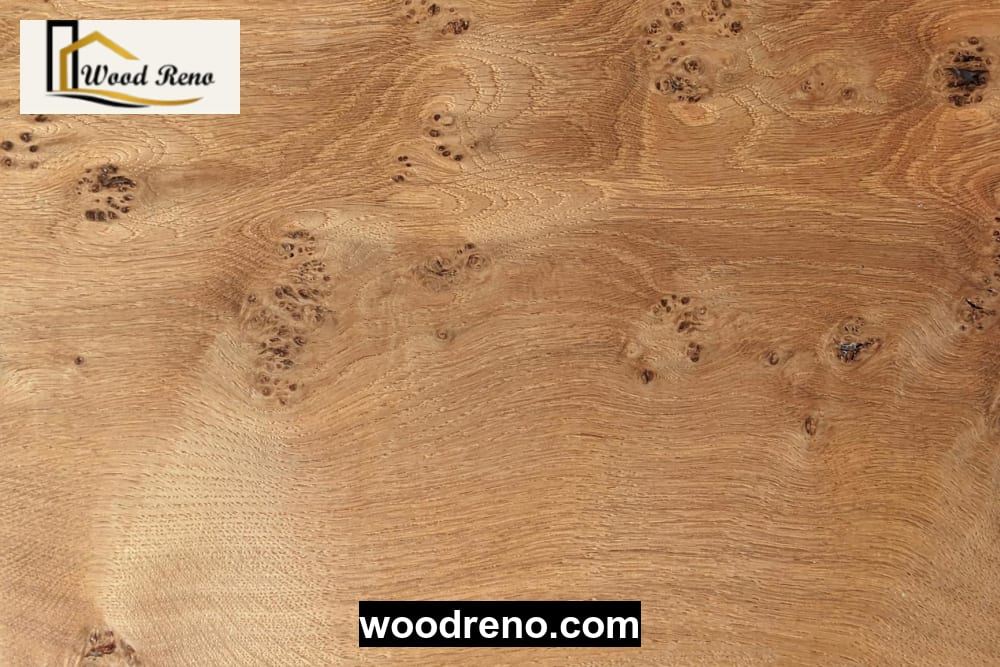
How to Restore Wood Furniture
Step 1: Assessment and Cleaning
Before diving in, assess the condition of your furniture. Look for scratches, dents, or areas with paint splatter. A gentle cleaning solution—consisting of mild soap and water—can remove grime without damaging the finish. Remember, wood is porous; it drinks in whatever is applied. After cleaning, allow the surface to dry completely. A damp washcloth can ruin a finish.
Explore our guide to eco-friendly cleaning techniques.
Step 2: Sanding and Preparing
Sanding is pivotal in the restoration process. Choose the appropriate grit sandpaper; start with a coarse grit to remove old finishes and progress to finer grits to smooth out the surface. You want the wood to feel soft and warm under your fingers, not rough or splintery. Make sure to vacuum up any dust before moving to the next phase.
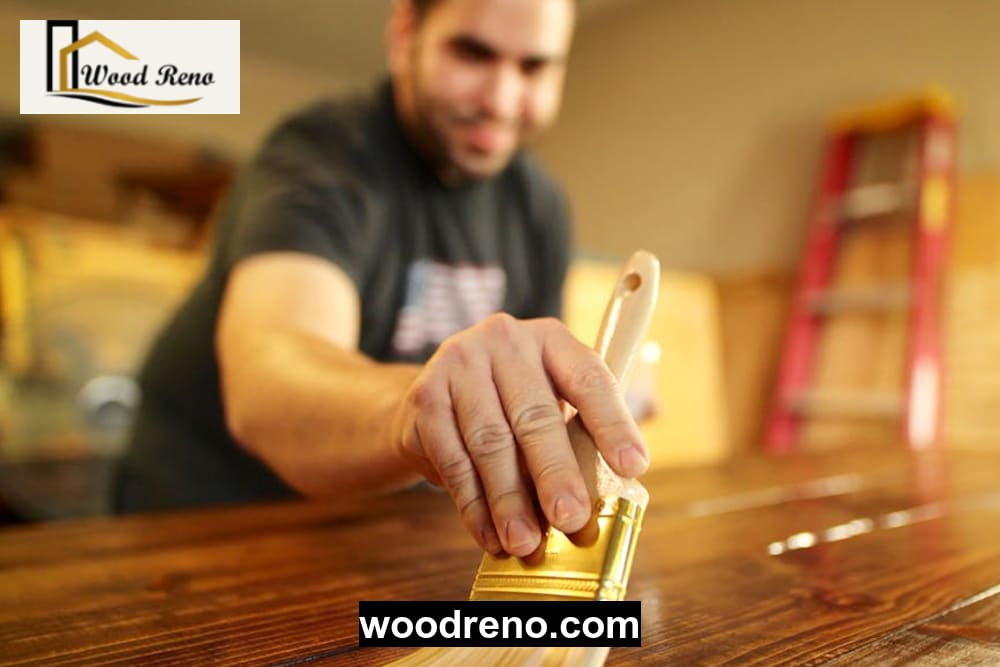
Step 3: Finishing Touches
When applying your chosen finish (oil, varnish, or lacquer), test it on a small, inconspicuous area first to see how the wood reacts. You want an even application that highlights the grain without obscuring it. Uneven stain uptake can be frustrating, so work in manageable sections and blend overlaps carefully.
If you’re using an oil finish, it will bring out the natural hues beautifully while conditioning the wood. While it may feel tempting to skip the event of conditioning, you will regret it when the wood dries out and becomes brittle.
Learn more about professional finishes from our detailed guide.
Comparison of Finishes, Methods, and Tools
| Option | Best For | Durability | Eco-Rating | Skill Level | Woodreno Verdict |
|---|---|---|---|---|---|
| Oil Finish | Natural wood | Moderate | High | Beginner | Great for enhancing grain |
| Varnish | High traffic | High | Medium | Intermediate | Best for durability |
| Lacquer | Quick drying | Moderate | Low | Advanced | Requires precise application |
| Milk Paint | Antique style | Low | High | Beginner | Perfect for a vintage look |
| Gel Stain | Control over colors | Moderate | Medium | Intermediate | Ideal for uneven surfaces |
Finishes and techniques matter significantly in restoration. Proper selection ensures longevity. Read more in our professional restoration guide.
Woodreno’s Sustainable Artisan Outreach
Woodreno prides itself on sourcing timber through community partnerships and FSC-certified materials. Our commitment to sustainability ensures that every restoration contributes to a healthier planet. We offer various workshops and consultations for those eager to learn. By joining us, you become part of a community advocating for responsible wood care and restoration practices. Find out more about our efforts at FSC.
Common Mistakes to Avoid in Wood Restoration
At Woodreno, I’ve watched well-meaning DIYers stumble over familiar hurdles. These common pitfalls can lead to premature failures in restoration projects:
- Skipping the cleaning step. A clean surface ensures proper adhesion from stains and finishes.
- Using too coarse of sandpaper initially. It can gouge the wood and ruin the surface.
- Applying too many layers of finish. Thin, even coats are key — too much at once can lead to drips and unevenness.
- Neglecting to condition the wood before applying stain or oil. It’s crucial for absorption.
- Forgetting to test finishes on an inconspicuous area, which can result in unpleasant surprises.
Each of these mistakes can be prevented. Always prepare well. Check our article on avoiding DIY disasters.
Frequently Asked Questions About Professional Wood Restoration
Q1: What is professional wood restoration?
A: Professional wood restoration is the process of repairing and revitalizing wooden furniture or structures, often using specialized techniques to restore its original beauty while preserving the wood.
Q2: How to restore wood furniture at home?
A: First, assess the condition, clean thoroughly, sand down the surfaces, and then apply a new finish suitable for your wood type.
Q3: How long does wood restoration take?
A: Depending on the condition and method used, restoration can take anywhere from a few hours to several days.
Q4: Is lacquer better than varnish for wood restoration?
A: Lacquer dries faster and provides a high-gloss finish, while varnish is more durable and suited for heavy use. Your choice depends on the intended use of the furniture.
Q5: Is it worth hiring a professional for wood restoration?
A: Yes, if the piece is valuable or sentimental, a professional can handle the complexities, ensuring that it is restored correctly without damaging the wood.
Check here for more FAQs on wood restoration.
Take your old wood furniture and give it the care it deserves. Professional wood restoration opens new doors for reviving the lost beauty of cherished items. If you’re ready to embark on your restoration journey, our team at Woodreno is here to guide you every step of the way. Don’t hesitate; start your project today! Explore our services for expert help in bringing your wood back to life.
View our detailed service page here.
© WoodReno Pakistan —
woodreno.com
| Professional Furniture Restoration & Woodworking Services