
The dull sound of your fingernail tapping on a once-sturdy table now echoes hollow, a telltale sign. The surface bears tiny pinholes and subtle tunnels carved beneath the finish. Termites have been busy. That heirloom dining chair you cherish, the hand-me-down sideboard — all at risk.
Repairing termite damaged wood furniture is tricky. It demands patience, precision, and sometimes a bit of soul-searching: can this piece be saved, or is replacement the wiser route? You’ll learn how to accurately identify termite damage, assess its severity, and approach the repair with sustainable, workshop-tested solutions — whether rolling up your sleeves for DIY or knowing when to bring in professionals.
You will also find cost comparisons, product recommendations, and maintenance tips to keep your wood furniture termite-free long after repair. Start here, and take a confident step toward restoring your wood’s strength and beauty.
For related techniques on reviving other wood troubles, check out our guide on repairing water damaged furniture — many lessons cross over.
📋 Table of Contents
- Understanding Termite Damage on Wood Furniture
- How to Assess the Extent of Termite Damage
- Step-by-Step Guide to Repairing Termite Damaged Wood Furniture
- Tools and Materials Needed for Effective Wood Repair
- Sustainable Practices in Wood Furniture Repair
- When to Seek Professional Termite Furniture Repair Services
- Preventing Future Termite Damage in Wood Furniture
- Frequently Asked Questions
Understanding Termite Damage on Wood Furniture

Termites leave a unique signature in wood that differs from rot or other decay. Instead of surface mold or fungal softening, termite attack results in hollowed wood cores, tunnels lined with mud, and a fragile texture when probed.
Common signs of termite damage include small round or oval exit holes, a papery chipped surface, and the sound of hollow knocks when you tap the wood. The damaged areas often crumble easily and may contain tiny grains of frass — termite droppings resembling sawdust.
💡 Pro Insight (Marcus Webb, Woodreno): On a mid-century oak chair I repaired recently, even the stain looked uneven where termites had tunneled beneath. I tested suspect spots manually by pressing with a screwdriver — it’s the only way to understand damage depth beyond what appears at surface level.
Distinguishing this damage from wood rot matters. Fungal rot tends to darken wood, make it spongy, and often smells damp or musty, whereas termite damage is dry and granular. Knowing which enemy you’re facing steers the treatment and repair approach correctly.
Understanding what you’re dealing with is your first defense. If uncertain, consider bringing in a professional inspection to confirm the pest nature before you start restoration.
Explore our article on restoring furniture without stripping for preserving delicate finishes during your repair journey.
How to Assess the Extent of Termite Damage
Assessing termite damage goes beyond spotting holes. It requires a tactile and visual inspection to map affected zones and judge structural weakening.
Start by removing cushions or removable panels to check hidden areas. Use a sharp tool or screwdriver to press gently into suspect spots. Soft spots or crumbling wood indicate advanced destruction.
Measure damage thickness and depth. If more than 30-40% of a support beam or panel is compromised, replacement or partial rebuilding may be safer than patching.
Trust your senses — healthy wood feels tight and solid under finger pressure; termite-ravaged wood yields easily and has a brittle, flaky texture. Surface holes sometimes lead to deep tunnels that undermine joints — factor that in.
Some furniture components like legs or chair rails are critical for stability and may necessitate rebuilding to guarantee safety.
A hand lens or magnifying glass can reveal tiny remnants of termites or frass, helping you decide on treatment urgency.
Step-by-Step Guide to Repairing Termite Damaged Wood Furniture
1. Eradicate Termites Before Repair
Ensuring the termites are fully gone prevents repeat damage. DIY methods like applying borate-based liquids penetrate deeply to kill colonies. Use a spray or brush to saturate damaged wood thoroughly. Sunlight exposure can kill termites in some cases by drying wood, but it’s rarely reliable alone for infestations hidden within furniture interiors. Professional fumigation or heat treatments remain gold standards when infestations are severe.
2. Remove Unsalvageable Wood
Cut away severely damaged wood that crumbles under pressure or forms gaps compromising strength. Use sharp chisels or rotary tools carefully to avoid removing healthy wood.
3. Apply Wood Hardener
After cleaning, saturate remaining wood with a quality wood hardener. Hardeners penetrate porous wood, reinforcing it and creating a strong base for filling. Let curing times be as recommended — typically several hours.
4. Fill Holes and Missing Sections
Epoxy putties and wood fillers restore surface continuity and shape. Epoxy putties are two-part compounds that cure hard and bond strongly for structural gaps. Wood fillers are easier to shape and sand but less durable. Apply fillers in layers if holes are deep, shaping with putty knives or sculpting tools. Let each layer dry fully. Sand to a smooth finish matching furniture contours after complete curing.
5. Refinish and Protect
Refinishing involves matching the original wood tone and texture with stains or paints. An eco-friendly finish with low VOC content preserves your health and environment. Sealants add a protective coat against moisture and pests. Restoring termite-damaged veneer may require special veneer repair techniques; for detailed guidance, consult our understanding veneer repair techniques resource.
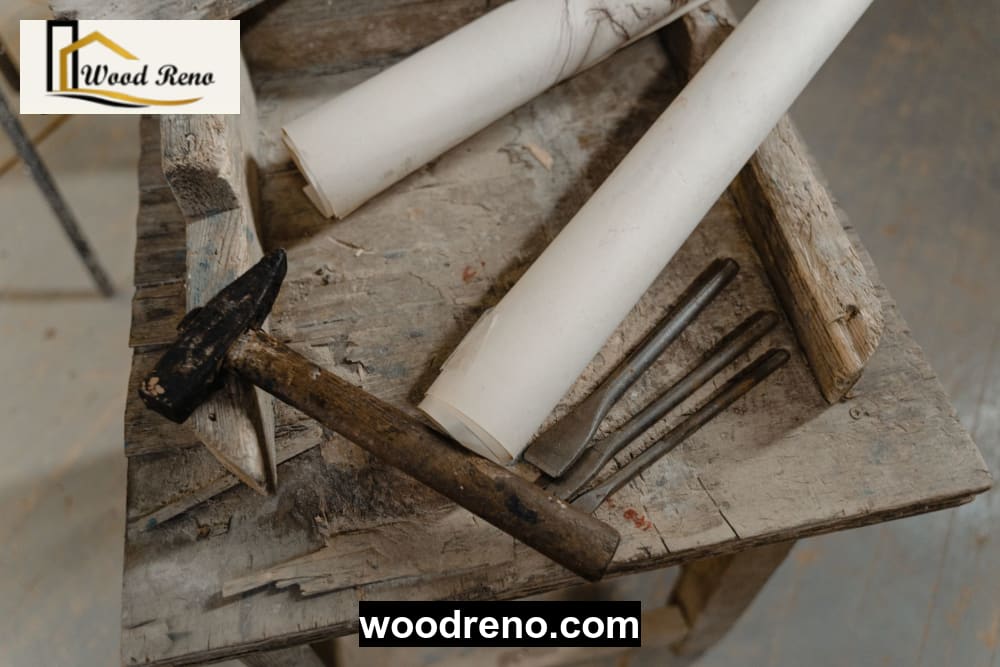
Wood repair projects rely on precision, tools, and care to return furniture to useful life — and prevent the faint odor of chemical treatments from lingering in your living room. For wood restoration process details, this finewoodworking.com guide offers excellent technical insights on epoxy and hardeners.
Tools and Materials Needed for Effective Wood Repair
- Screwdriver or awl — to probe damage depth
- Chisels and utility knives — for removing damaged wood
- Sandpaper (various grits) — for smoothing patched areas
- Wood hardener — reinforces weakened fibers
- Epoxy putty and wood fillers — for structural and surface restoration
- Brushes and gloves — for applying treatments
- Protective respirator and goggles — safety first
- Clamps — for holding repaired parts during drying
Using the right combination of materials makes a huge difference in durability and finish. Choose products with clear application instructions and eco-friendly claims when possible.
| Product Type | Pros | Cons | Best Use Case |
|---|---|---|---|
| Wood Hardeners | Deep penetration, strengthens fragile wood | Longer cure time, can darken wood | Stabilizing termite-softened wood before filling |
| Wood Fillers | Easy to sand and shape, variety of colors | Less durable in structural stress zones | Filling small holes and surface imperfections |
| Epoxy Putties | Very strong, bonds well, waterproof | More expensive, requires mixing and precision | Rebuilding larger gaps and load-bearing repairs |
Test a small hidden area first to check compatibility and staining effects. The best filler matches wood type and final surface expectations.
Sustainable Practices in Wood Furniture Repair
Our team champions the use of FSC-certified woods and low-VOC, biodegradable finishes whenever possible. I’ve found natural oils combined with beeswax can restore luster without harsh chemicals.
Using slow-curing, non-toxic epoxies helps maintain indoor air quality during repair. Avoid overly aggressive sanding to preserve as much original material as possible.
Recycle old wood waste and responsibly dispose of termite infested dust and debris to avoid spreading pests.
You can try natural restoration options detailed in our eco-friendly restoration methods guide, which pairs well with termite repairs for less environmental impact.
Our practice at Woodreno combines craftsmanship with ecological mindfulness—an approach any DIY or professional can learn from.
For official certification on sustainable forestry, visit fsc.org.
When to Seek Professional Termite Furniture Repair Services
Call in professionals if termites remain active after your initial treatments, or if damage runs deep into key structural elements where safety is a concern.
Extensive repairs requiring replacement parts or refinishing beyond a surface level benefit from expert craftsmanship. Many professionals also provide termite treatment packages combining fumigation and ongoing protection.
Some pests are tricky to eradicate fully, and amateur attempts may delay damage worsening. A professional opinion can save you from costly mistakes or repeated repairs.
For detailed restoration expertise, our professional approaches outlined in professional restoration techniques serve as great references.
Preventing Future Termite Damage in Wood Furniture
Keep wooden furniture dry since termites thrive in moist environments. Inspect and treat furniture stored near ground or outdoors.
Routine checks for fresh tunnels, mud tubes, or frass help catch re-infestations early.
Use treated woods or sealant finishes that deter termites — borate-based clear finishes offer protection without changing appearance much.
Avoid contact with soil or mulch, common termite habitats, and store furniture on raised platforms when practical.
Good household pest control complements furniture care.
Frequently Asked Questions
Is it possible to fully repair termite damaged wood furniture?
Yes, many termite damaged furniture pieces can be fully restored if damage is caught early and treatment and repair are thorough. Severe structural loss might require part replacement.
What is the best product to fill termite holes in wood?
Epoxy putties are generally best for deep, structural fills due to strength, while wood fillers work well for surface repairs. Choose based on repair depth and load requirements.
Can sun exposure kill termites in wooden furniture?
Sunlight may kill some termites by drying wood surfaces, but it’s unreliable for killing deep infestations inside furniture. Professional treatments or chemical applications are safer options.
How long does termite damage repair take?
Minor repairs can be done within a day. More extensive repairs and curing times for hardeners or epoxies can extend the process to several days.
When should termite damaged furniture be replaced instead of repaired?
Replace when more than 40-50% of structural components are compromised, or repairs exceed the furniture’s sentimental and financial value. Safety is the top priority.
Explore more on how to maintain wood integrity after pest damage at our restoring furniture without stripping article.
Talk to Woodreno About Your Project
If your project involves tired timber, damaged furniture, uneven finishes, or restoration decisions you do not want to get wrong, Woodreno can help you plan the next step properly.