
How to Restore Wood Furniture Without Refinishing
Standing over a faded walnut dresser, a worn-out surface greets you like an old friend who’s lost their luster. No deep scratches to sand away — just that dull, tired patina that hides the wood’s true charm. Stripping or sanding it down feels like overkill for what’s really a surface problem. Knowing how to restore wood furniture without refinishing offers a practical, time-saving way to bring those pieces back to life without the headache of full refinishing.
I’ll walk you through workshop-tested steps to clean, refresh, and fix common issues like scratches and water stains — all without stripping or sanding. You’ll learn which products to trust, how to apply them safely, and how to maintain your restored pieces long-term. Let’s preserve your wood’s original finish and character together.
For deeper refinishing know-how, check out our guide on wood restoration techniques.
📋 Table of Contents
- Why Restore Wood Furniture Without Refinishing?
- Common Wood Furniture Problems That Don’t Require Refinishing
- Essential Tools and Products for Non-Refinishing Restoration
- Step-by-Step Techniques to Repair Scratches and Dents
- Removing Stains and Water Rings Without Stripping Finish
- How to Rejuvenate Dull or Worn Finishes Safely
- Protecting and Maintaining Restored Wood Furniture
- Sustainable Restoration Practices for Wood Furniture
- When to Choose Refinishing Over Non-Refinishing Methods
- Frequently Asked Questions About How to Restore Wood Furniture Without Refinishing
Why Restore Wood Furniture Without Refinishing?
Furnishing a house often means facing wood with some scuffs and stains, but rarely does the whole finish need stripping. Refinishing is a big job — stripping paint or varnish, sanding bare wood, repainting or staining, and sealing again. It costs time and money, demands skills and tools, and risks losing the original finish’s patina or character.
Non-refinishing restoration keeps the original finish intact. It’s faster, greener, and often delivers an equally beautiful result. Why strip when a targeted cleaner, restorer, or wax can revive the wood’s natural richness? I’ve seen people preserve priceless antiques just by cleaning and treating them right — without a scrap of sandpaper.
Whether you’re dealing with dull surfaces, minor scratches, or water rings, non-sanding repairs often save the day.
Great resources on effective restoration techniques have helped me refine these methods.
💡 Pro Insight (Marcus Webb, Woodreno): I once restored an old oak side table showing faint water stains and light scratches simply by cleaning it thoroughly, lightly buffing with a natural oil, and topping with a wax finish. No sanding. No stripping. Just fresh life breathed into the wood.
Common Wood Furniture Problems That Don’t Require Refinishing
| Type of Damage | Recommended Non-Refinishing Method | Ideal Product Types | Pros | Cons |
|---|---|---|---|---|
| Light Scratches | Furniture Touch-Up Markers, Wax Sticks | Stain markers, wax sticks | Quick, easy, blends well, no sanding required | May not fix deep scratches |
| Shallow Dents | Wood Steam with Damp Cloth, Wax Filler | Wax filler sticks, steam | Refluffs wood fibers, low-impact | Requires care to avoid damage |
| Water Rings | Toothpaste, Baking Soda, Commercial Restorers | Toothpaste, Restore-A-Finish | Effective, no sanding, affordable | May need repeat application |
| Dull Finishes | Liquid Restorers, Furniture Oil, Wax | Howard’s Restore-A-Finish, Beeswax wax | Brings back shine, nourishes wood | Temporary without maintenance |
| Surface Grime | Mild Soap Solution, Wood Cleaner | pH-balanced cleaners | Cleans without damage, preserves finish | Overuse can dull finish |
Essential Tools and Products for Non-Refinishing Restoration
Using too harsh a cleaner will strip or dull your finish. I lean primarily on pH-neutral wood cleaners. These cut grime but leave the finish intact. Brands like Murphy’s Oil Soap or diluted vinegar solutions are safe bets. Always test in a discreet area.
Liquid Wood Restorers
Products like Howard’s Restore-A-Finish work a small miracle, dissolving surface oxidation and restoring color without stripping. They essentially “paint” new life onto the existing finish. Each color tint suits different wood shades, so choose carefully. Application is with a soft cloth; work in tiny sections.
Repair Materials: Wax Sticks and Furniture Touch-Up Markers
When minor dents or scratches show as white or bare spots, wax filler sticks and stain-touch markers are your go-tos. They fill gaps and tint marks close to original color. Applying gently with a plastic scraper and blending carefully avoids patchiness.
Buffing and Finishing Products
Natural beeswax or carnauba waxes form protective layers while enhancing sheen. After restoring the finish, buff these in with a cotton cloth until wood feels silky and smells faintly of honey or citrus.
Tools Checklist
- Soft microfiber cloths
- Natural bristle brushes (for wax)
- Plastic scrapers (for wax stick shaping)
- Fine steel wool (#0000 grade, optional, for blending)
- Spray bottle (for misting steam on dents)
Step-by-Step Techniques to Repair Scratches and Dents
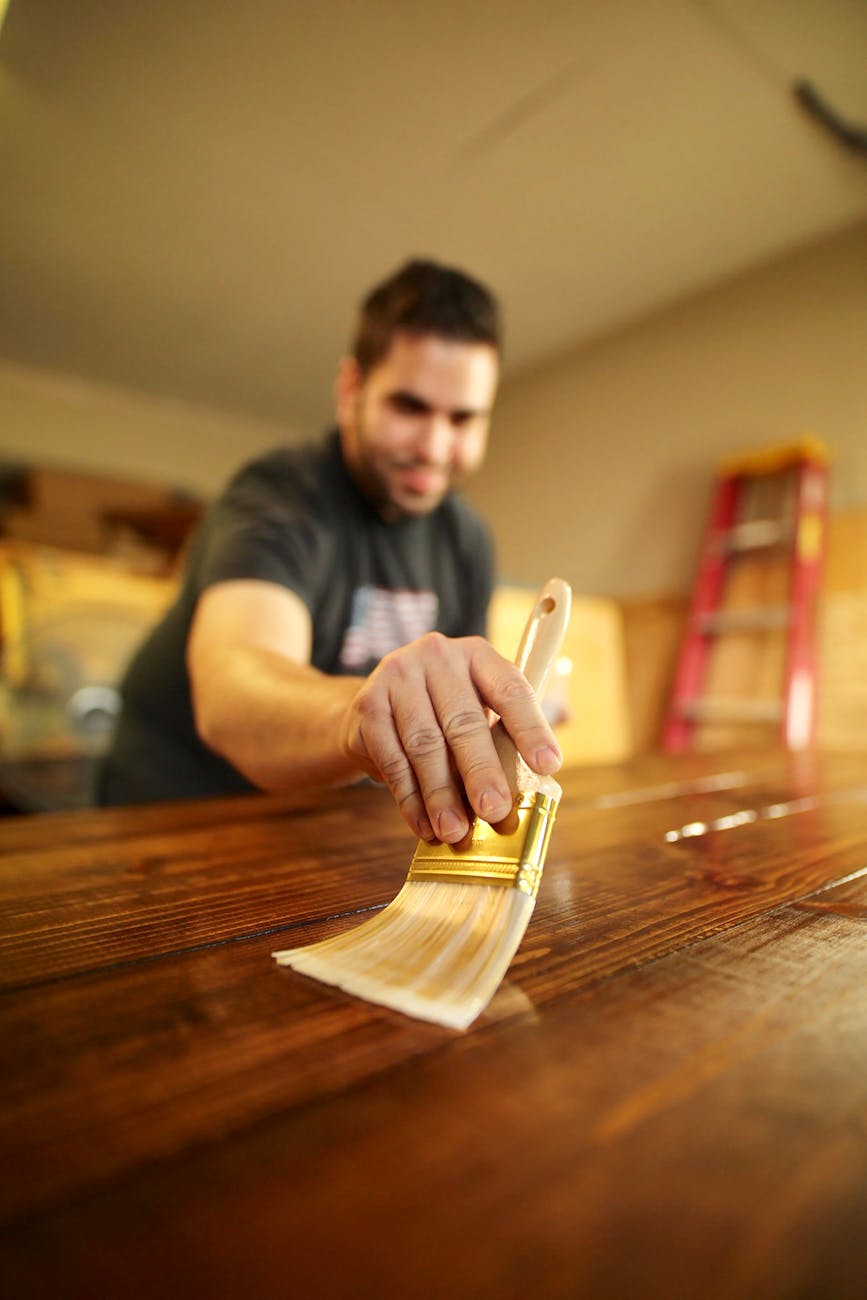
Scratch repair begins by cleaning the area thoroughly. A modest bit of wax filler stick, warmed by hand, can fill the scratch. Press wax lightly into the scratch, scrape off excess, then buff to blend edges.
Using Wood Fillers and Wax Sticks Effectively
For dents, a little steam works wonders. Place a damp cloth over the dent and carefully apply a hot iron for a few seconds. The steam causes wood fibers to swell, raising the dent gently. Be cautious: too much heat or moisture risks swelling the wood too much or damaging the finish.
Applying Furniture Touch-Up Markers and Blending
Touch-up markers allow precision coloring of scratches or chips. Pick a marker that closely matches your wood’s stain. Color the scratch lightly, allow to dry, and blend edges by feathering with a soft cloth. Layer as needed for deeper color.
Cleaning Solutions That Preserve Finish
Remove dirt before any restoration product. Spray a gentle cleaner on a cloth, not directly on wood, and wipe along the grain. Avoid saturating the wood.
Removing Stains and Water Rings Without Stripping Finish
For detailed techniques with materials and their chemical properties, Fine Woodworking offers an authoritative guide on non-invasive restoration here.
Reviving wood furniture starts here—with a light touch.
Comparison: Non-Refinishing Methods vs Refinishing
| Option | Best For | Durability | Eco-Rating | Skill Level | Woodreno Verdict |
|---|---|---|---|---|---|
| Liquid Restorers | Oxidized, dulled finishes | Moderate | High (low VOC) | Easy | Efficient first choice for gentle fixes |
| Wax Fillers & Touch-Up Markers | Minor scratches, dents | Moderate | High | Easy | Best for quick, low-impact repairs |
| Steam & Moisture Swelling | Shallow dents | Moderate | Very High | Medium | Natural, but needs care |
| Full Refinishing (Stripping & Sanding) | Deep damage, severe finish failure | High | Low (solvents, waste) | Advanced | Necessary for major restoration |
| Polyurethane Recoat | Surface protection post repair | High | Medium (chemicals) | Intermediate | Useful but cautious with older finishes |
Wasting hours or materials on a full refinish isn’t always best. At the same time, some damage crosses the threshold where full refinishing outperforms band-aid fixes.
Explore mastering wood restoration techniques for deeper contrasts.
Sustainable Restoration Practices for Wood Furniture
Woodreno works closely with FSC-certified suppliers and commits to using low-VOC, sustainable wood care products. The finishing products I recommend avoid harsh solvents and embrace natural oils and waxes with biodegradability.
If you want your restoration to leave as small an environmental footprint as possible, choose products wisely:
- Look for certifications like Green Seal or Ecologo on cleaners and waxes.
- Use natural, plant-derived oils like tung or walnut oil.
- Apply modest amounts to reduce waste.
- Avoid disposable applicators by investing in washable cloths and brushes.
Sustainability means more than just what we put on the wood. Woodreno also offers workshops and consultations on how to source responsibly and care for furniture, so your next piece lasts generations.
Learn more about FSC certification at fsc.org.
When to Choose Refinishing Over Non-Refinishing Methods
If your wood furniture has deep, multiple layers of damage — peeling finish, widespread cracking, deep gouges, or old varnish that’s flaking — non-refinishing methods may not suffice. I’ve found that sometimes trying to patch can worsen appearance or durability.
If the original finish is beyond revival or your goal is a dramatic color change, refinishing becomes necessary.
Here, knowing when to stop and start fresh can save headaches. When in doubt, consulting a professional restoration guide or craftsman ensures the best outcome for your piece.
Curious how to balance restoration and refinishing? See our thoughts on restoring wooden furniture without giving up the wood’s soul.
Protecting and Maintaining Restored Wood Furniture
Repaired wood is vulnerable to repeat damage without care. I recommend:
- Regular dusting with a soft cloth to avoid grit scratching surfaces.
- Applying a light wax coating quarterly to nourish and protect.
- Using coasters and placemats to avoid water rings or burns.
- Keeping furniture out of direct sunlight to prevent fading.
- Occasional cleaning with pH-neutral wood cleaners to keep finishes fresh.
Frequently Asked Questions
Is it possible to restore wood furniture without stripping or sanding?
Yes, many wood furniture issues can be fixed by cleaning, applying liquid restorers like Restore-A-Finish, and using wax sticks or touch-up markers to cover scratches—no stripping or sanding needed.
What tools do I need to repair minor damage on wood furniture without refinishing?
Soft microfiber cloths, wax filler sticks, furniture touch-up markers, a damp cloth for steam, and natural bristle brushes for wax application are essential for non-refinishing repairs.
How do I maintain my restored wood furniture to prevent future damage?
Regular gentle cleaning, applying wax or oils periodically, avoiding direct sunlight, and using coasters to prevent water rings help protect the finish and prolong restoration effects.
Can DIY methods match professional restoration results without refinishing?
DIY techniques can achieve excellent results on light to moderate damage if carefully applied. For heavy damage, professionals may be necessary, but many homeowners successfully restore pieces themselves.
What sustainable products work best for non-refinishing wood restoration?
Natural oils like tung or walnut oil, plant-based waxes, and low-VOC liquid restorers certified by ecological labels are the best sustainable choices to maintain wood health and finish.
Talk to Woodreno About Your Project
If your project involves tired timber, damaged furniture, uneven finishes, or restoration decisions you do not want to get wrong, Woodreno can help you plan the next step properly.
© WoodReno Pakistan —
woodreno.com
| Professional Furniture Restoration & Woodworking Services