
How to Find the Best Furniture Painting and Restoration Services Near Me
The sharp rasp of sandpaper against worn oak, the scent of fresh, eco-friendly lacquer filling a cozy workshop — finding skilled local hands to breathe new life into your weathered furniture shapes the soul of restoration. You want more than a quick paint job. You want expert craftsmanship that respects your pieces and the environment, all close enough to trust and visit. Spotting genuine quality among many “furniture painting and restoration near me” listings feels like sorting treasure from tinsel.
You’ll learn how to identify trustworthy local pros, the key traits that matter, and what sustainable restoration truly looks like near you. By the end, you’ll be equipped to choose artisans who treat your furniture with respect, skill, and eco-consciousness. Plus, you’ll see why keeping restoration local goes far beyond just convenience.discover how to revive furniture with restoration
📋 Table of Contents
- Why Choose Professional Furniture Painting and Restoration Services Nearby
- Top Qualities to Look For in Local Furniture Restoration Experts
- How Workshop Experience Enhances the Quality of Your Furniture Restoration
- Sustainable Practices in Furniture Painting and Restoration: What to Expect
- Step-by-Step Process: What Happens When You Bring Your Furniture to a Local Restorer
- Tips for Verifying and Comparing Furniture Restoration Services Near You
- The Benefits of Supporting Local Furniture Painting and Restoration Businesses
- Frequently Asked Questions
Why Choose Professional Furniture Painting and Restoration Services Nearby
A workshop a 20-minute drive away often beats a far-flung chain store when it comes to dedicated quality. Those local experts carry hands-on familiarity with regional wood types, finish wear patterns, and often antique styles unique to your area. At Woodreno, I’ve worked on everything from Victorian sideboards with deep-set patina to modern pine wardrobes battered by family life. Skilled local painters and restorers don’t merely slather paint on; they nurture the wood back to life, layer by layer.
A local restorer’s accessibility means you witness progress and share preference shifts. The smell of shellac and linseed oil in the air can be a comforting signal your furniture is in expert hands, not lost in a generic warehouse. Also, picking local helps cut CO2 footprints caused by shipping large pieces across states or countries.
Professional furniture painters near you combine craftsmanship with gardening patience. They know the importance of proper prep, the irritation a rushed finish can cause, and the delight in the smooth grain beneath your fingertips post-restoration. The repair isn’t just surface deep — it’s about structural care, refinishing, and sustainability.
💡 Pro Insight (Marcus Webb, Woodreno): “One client brought me a centuries-old heirloom whose finish peeled unevenly. Local expertise mattered here. I knew the species, its historic finishes, and how eco-friendly washes would react most gently. That intimate knowledge matters more than fancy marketing.”
Learn more about expert finishes and how to learn how to paint furniture like a pro to spot real skill.
Top Qualities to Look For in Local Furniture Restoration Experts
Checking credentials is key. A trustworthy local service offers transparent communication, a physical workshop, and visible portfolio examples. Reviews paint a lived picture — the one test no marketing can fake. Local restorers usually engage deeply with their community, welcoming site visits and consultations.
- Workshop Experience: The smell of wood shavings and stacked finishes is a good sign the job won’t be rushed or outsourced.
- Sustainability Commitment: Ask about their paints and finishes. Many pros champion low-VOC, water-based products and sustainable wood treatments to keep air quality intact.
- Customer-Centric Pricing: The cost should balance affordable with realistic. Unfeasibly low prices often hide skip-work or subpar materials.
- Specialized Knowledge: Restoring antique versus modern furniture demands different skill sets. Ensure the expert understands your furniture’s material and origin.
Common Techniques Used by Skilled Local Restorers
Their toolset typically includes hand sanding, chemical stripping, natural wood dyes, and layered sealing. Some even embrace traditional French polishing or modern lacquers depending on piece style and customer goals. The mix of new tech with time-honored craft keeps restoration authentic and durable.
How to Assess a Furniture Restoration Workshop’s Experience
Visit if possible. A well-organized workshop with neat benches, natural light, and a stocked mix of eco-friendly materials signals professionalism. Ask about typical projects, average turnaround, and how they handle unexpected issues like hidden rot or warped joints.
How Workshop Experience Enhances the Quality of Your Furniture Restoration
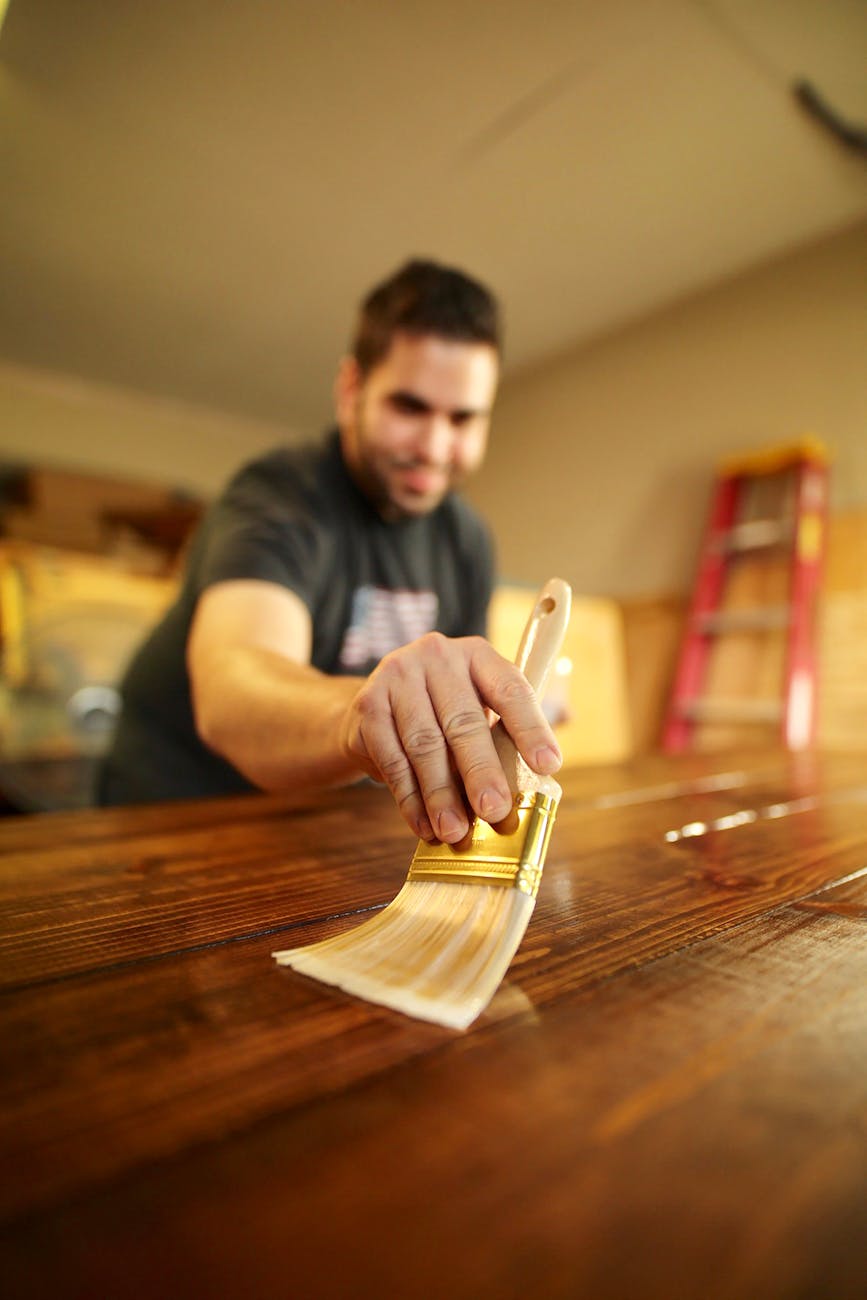
A workshop is the soul of every restoration project. I’ve learned that a veteran restorer’s workspace smells faintly of boiled linseed oil layered over age-old wood dust — an aroma tied to decades of expertise. Sitting on a bench, surrounded by aged timbers and intermittent sound of hand tools, you feel a craftsman’s dedication.
Local workshops empower craftsmen to tailor every step for each specific piece, rather than a “one-size-fits-all” factory approach. Every gouge or previous repair is studied up close. The wood’s grain feels smooth or rough under your fingers, clues that guide the next sanding or paint choice.
An open workshop offers chance for real-time chats, unveiling nuances most online descriptions miss. The impact of recognized sustainability certifications on materials is clear here, too.
Eco-Friendly Paints and Finishes in Local Restoration Services
The eco-credentials of finishes have leapt forward recently. Local specialists frequently use low-VOC paints, natural oils, and shellacs. These leave the air cleaner and reduce toxic off-gassing indoors. The tactile difference is a finish that breathes with the wood rather than sealing it off in plastic.
Some natural sealers even leave a soft, warm handfeel instead of the slippery gloss many mass-market paints deliver. It’s a more honest, earthy texture that warms both sight and touch.
Questions to Ask Before Hiring a Local Furniture Painter or Restorer
- Do you offer an assessment visit?
- Which finishes do you use, and what are their VOC levels?
- Can you show before-and-after photos of recent local projects?
- How do you handle unexpected damage like hidden warping or pests?
- What is your typical turnaround time?
Step-by-Step Process: What Happens When You Bring Your Furniture to a Local Restorer
A trusted local restorer takes these key steps you’ll usually witness or discuss:
- Initial Inspection: Every nick, joint weakness, and finish flaw is logged.
- Preparation: Old finishes are gently stripped using chemical or sanding methods. The wood smells faintly of turpentine or citrus-based removers here.
- Repair: Joints are tightened; damaged sections reset with matching wood species. The tactile grit of sanding bare wood smooths away rough patches.
- Staining and Painting: Choices are made to enhance or change the original color using eco-friendly dyes or paints. Watch for how evenly the absorbent wood takes stain — a fingerprint of good prep.
- Sealing: Protective topcoats like shellac, lacquer, or natural wax are applied in thin layers. Each layer is allowed to dry fully before the next, a process that can take days.
- Final Inspection and Touch-Ups: The restorer ensures everything fits, moves, and looks right. The wood’s surface invites you to run a finger across it — smooth, matte, or softly glossy, depending on finish.
→ For a deeper dive on restoration techniques, explore restoration techniques for wooden furniture.
Tips for Verifying and Comparing Furniture Restoration Services Near You
Comparing local services takes more than just price checks. Here’s a quick table to evaluate and choose wisely:
| Option | Best For | Durability | Eco-Rating | Skill Level | Woodreno Verdict |
|---|---|---|---|---|---|
| Established Workshop | Quality & Trust | High | Medium-High | Expert | Reliable, transparent, sustainable |
| Mobile Restorer | Convenience | Medium | Medium | Skilled | Good for small fixes, fast turnaround |
| National Chain | Cost-Sensitive | Medium-Low | Low-Medium | Varies | Convenient but often generic polish |
| DIY with Guidance | Budget | Low-Medium | Depends | Beginner | Risky without solid experience |
| Specialized Antique Experts | Historic Furniture | Very High | High | Expert | Best for heirlooms, higher price justified |
Local experts usually top the list for skill and sustainability. Trusted pros like us combine time-tested techniques and conscious materials.
The table helps you see beyond sticker prices — skilled restoration affects furniture life and your health.
→ For more on detailed painting techniques, check how to learn how to paint furniture like a pro.
The Benefits of Supporting Local Furniture Painting and Restoration Businesses
Local artisans fuel more than craftsmanship — they support neighborhoods. Their business earnings recycle within the community to keep workshops running and skills passing down through generations. Outside chains don’t reinvest like locals who take pride in a piece’s story and want each restoration to enhance it.
A workshop near you also provides speed and flexibility. Emergencies happen — a cracked leg or a spill. Local experts turn around repairs that would clog a national chain’s schedule for weeks. The personal connection builds trust. I’ve seen clients visit repeatedly, sharing stories that we carefully weave into each restoration.
Support local. You back sustainable use of materials, shorter supply chains, and genuine care. It’s more than service; it becomes a craft relationship.
Frequently Asked Questions
How do I find a reliable furniture painter near me?
Start with local workshops that show clear portfolios, use eco-friendly materials, and have positive customer feedback on independent platforms like Google or Yelp. Visiting the workshop in person gives the best sense of their expertise.
What should I look for in a furniture restoration service?
Choose services with transparent pricing, a clear step-by-step restoration process, sustainable finishes, and the ability to match finishes closely to your furniture’s original look.
Are local furniture restoration services more affordable than national companies?
Local services often balance fair pricing with higher craftsmanship and sustainability. National chains might seem cheaper but can use faster, less thorough methods and off-gas harsh chemicals.
Do professional furniture restorers use eco-friendly products?
Many skilled local craftsmen prioritize low-VOC, water-based paints and natural oils. These finishes better preserve wood quality and indoor air without compromising durability.
How long does furniture painting and restoration usually take?
Depending on damage and finish complexity, restorations can take from a few days to several weeks because of drying times and repair precision.
Talk to Woodreno About Your Project
If your project involves tired timber, damaged furniture, uneven finishes, or restoration decisions you do not want to get wrong, Woodreno can help you plan the next step properly.
© WoodReno Pakistan —
woodreno.com
| Professional Furniture Restoration & Woodworking Services