
Dust hangs in the air as a once weary floorboard gets sanded down to raw wood. The smell of fresh-cut timber, mingled with varnish drying in sunlight, fills the room. That moment — the cusp of transformation — always pulls homeowners tight between excitement and anxiety. The question buzzes loudest: how much does it cost to fully renovate a home?
You’ll get a transparent, room-by-room breakdown of costs so you know exactly what to expect. We’ll cover labor, materials, hidden fees, and how sustainable wood restoration can both save money and elevate your home. By the end, budgeting won’t feel like guesswork — but a clear path you can plan for.
Check out our comprehensive home renovation cost guide for a detailed overview before diving in.
📋 Table of Contents
- Average Costs of a Full Home Renovation in 2024
- Cost Variations Based on Home Size and Location
- Labor Costs: What You Need to Know
- Material Costs: Choosing Quality and Sustainable Wood
- Hidden Costs to Budget For During Renovation
- How Wood Restoration Can Save Costs and Enhance Your Renovation
- Sustainability in Home Renovations: Eco-Friendly Choices That Impact Your Budget
- Workshop Insights: Real-Life Renovation Cost Experiences
- Tips to Budget Smartly for Your Full Home Renovation
- Frequently Asked Questions
Average Costs of a Full Home Renovation in 2024
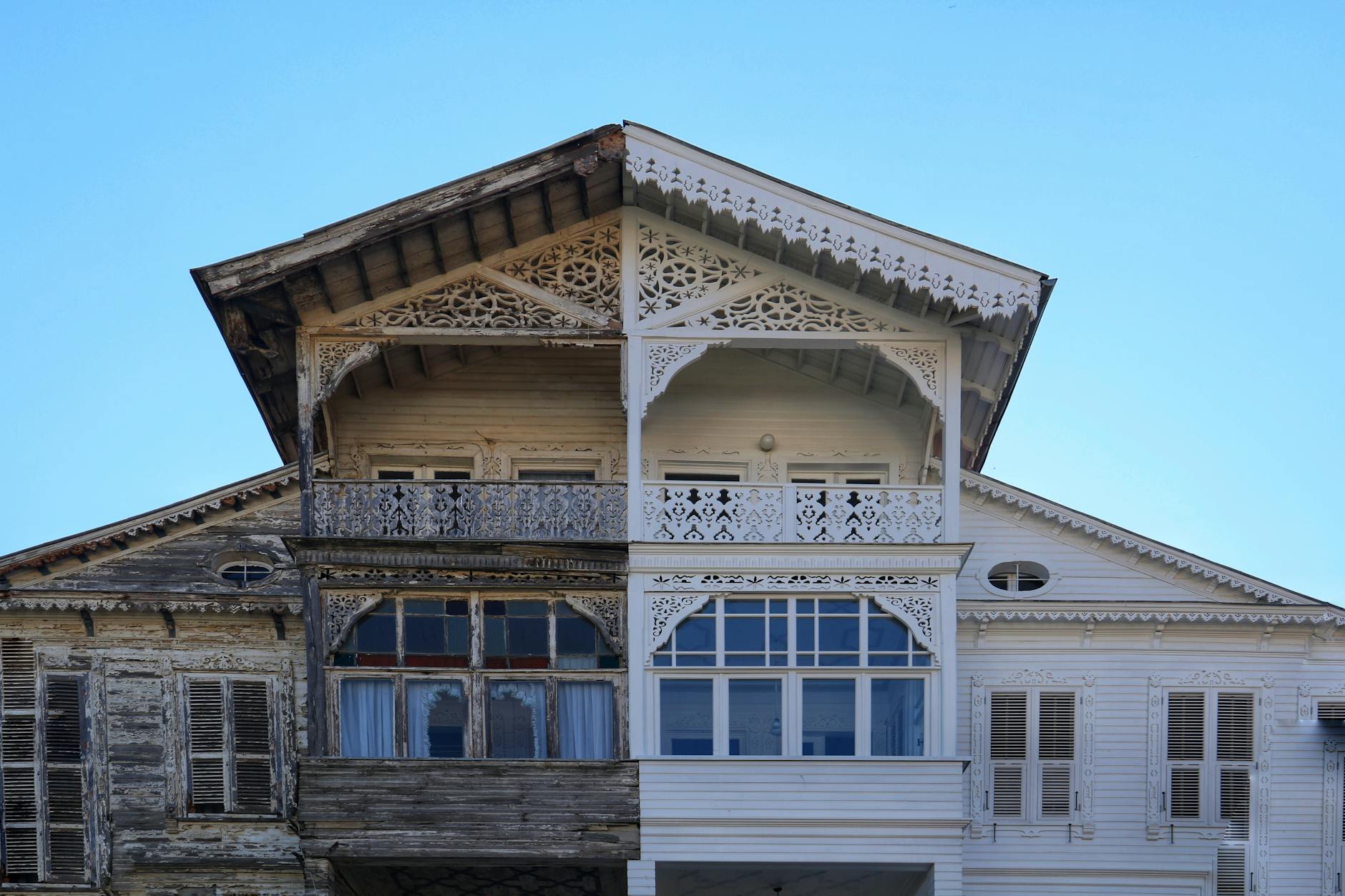
Full home renovation costs in 2024 typically range between $100 to $250 per square foot. This broad range owes to variations in labor markets, materials selected, scope of work, and regional factors. National studies from construction data aggregators peg the average national renovation cost closer to $150 per square foot.
Labor generally commands the largest slice of your budget, often 40% to 50%, with materials close behind. Permits, inspections, and unexpected repairs can easily take up to 10% or more. Investments in sustainable wood restoration and eco-friendly materials, increasingly sought after by homeowners, add upfront costs that often bring long-term savings.
Here’s a clearer view of budget allocation:
| Category | Percentage of Total Budget | Notes |
|---|---|---|
| Labor | 45% | Skilled work demands top dollar |
| Materials | 35% | Includes sustainable wood & finishes |
| Permits & Inspections | 7% | Often overlooked; necessary compliance |
| Hidden Costs | 8% | Unexpected repairs, waste disposal |
| Sustainability Choices | 5% | Eco-friendly materials and processes |
💡 Pro Insight (Marcus Webb, Woodreno): I recall a Victorian restoration where restoring old oak floors saved the homeowners thousands compared to replacing them. The detail work took time, but quality paid off in durability and character.
Labor and material costs vary greatly by region and home size — more on that next.
Check out our comprehensive home renovation cost guide for a broad overview to start budgeting smartly.
Cost Variations Based on Home Size and Location
Renovation costs on a sprawling 3,000 sq ft suburban house differ wildly from a compact 1,000 sq ft urban condo. City centers typically demand 15-25% higher labor rates due to overhead, union wages, and permit complexity. Remote or rural areas might save on labor but incur higher transport fees for materials.
The same work on a 2,000 sq ft home will cost roughly twice that of a 1,000 sq ft property, though efficiency gains reduce cost per square foot somewhat on larger homes.
| Home Size (sq ft) | Estimated Cost Range ($) | Notes |
|---|---|---|
| 1,000 | $100,000 – $200,000 | Basic to mid-range finishes |
| 2,000 | $180,000 – $400,000 | Scope increases costs |
| 3,000+ | $300,000+ | Larger scale and complexity |
Location matters too. Coastal cities and major metropolitan areas tend to top the charts due to demand and regulatory hurdles.
If you want a closer look at how location affects costs by region, learn about specific renovation costs in Pakistan, which illustrate broader global variations.
Labor Costs: What You Need to Know
Labor costs typically account for nearly half of your renovation budget. Skilled carpenters, plumbers, electricians, and finishers demand rates ranging from $50 to over $100 per hour depending on expertise and demand.
Labor quality controls the outcome’s durability and beauty. A well-honed finishing carpenter’s touch transforms simple wood into heirloom quality. Cheap labor might sound enticing but often leads to rushed sanding, uneven finishes, and hidden flaws.
Labor costs climb if your renovation includes structural alterations or complex timber restoration.
Difference Between DIY vs. Hiring Professionals
Tackling some renovation work yourself reduces labor costs but not without risks. DIY tends to save 20-30% on labor but demands significant skill and time investment. Mistakes can cost much more when you need to undo and redo parts.
Hiring professionals ensures permits are filed correctly, building codes met, and finishes made to last. Professionals also spot potential hidden issues before they escalate.
I’ve seen countless DIYers underestimate how much effort proper wood restoration takes — sanding a hardwood floor isn’t a weekend job; patience and technique matter.
Material Costs: Choosing Quality and Sustainable Wood
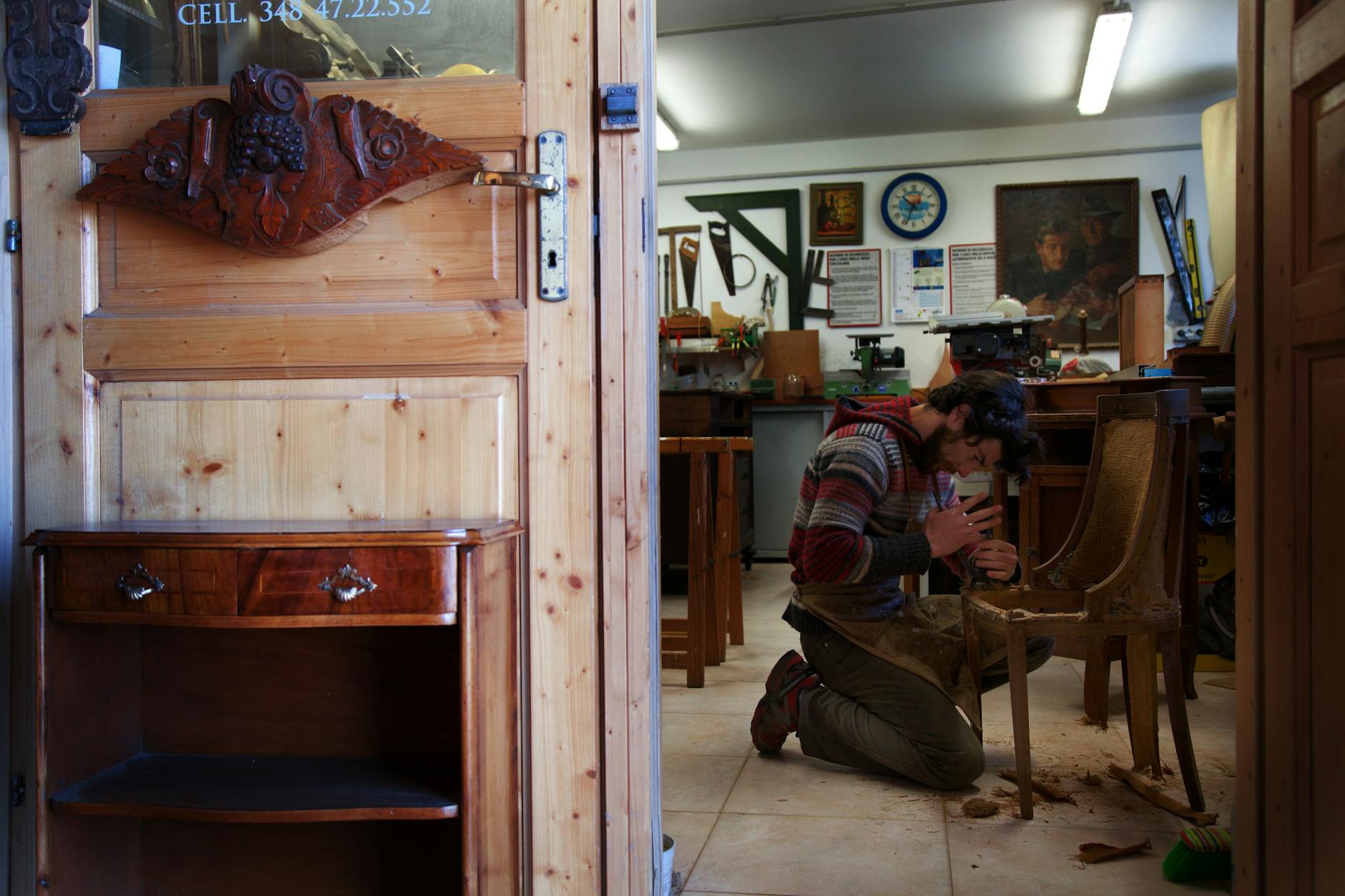
Selecting quality materials aligns budget with longevity. Wood species, finish types, and sustainability certifications directly impact material costs.
Sustainable wood options—from FSC-certified hardwoods to reclaimed timber—may carry premium price tags but reward with superior durability and eco-responsibility.
Surface finish materials—from water-based polyurethanes to natural oils—affect cost and environmental footprint.
Types of Wood Used in Restoration and Their Price Impact
Hardwoods such as oak, maple, and walnut rank higher in price due to their density and finish quality. Softwoods like pine cost less but wear faster. Reclaimed wood can carry a premium for sourcing and processing but adds unparalleled character.
| Wood Type | Typical Cost per Board Foot | Notes |
|---|---|---|
| Oak (FSC Certified) | $8 – $15 | Durable, classic grain |
| Walnut | $10 – $20 | Rich color, premium choice |
| Pine | $2 – $5 | Budget-friendly, less durable |
| Reclaimed Wood | $12 – $30 | Unique, eco-conscious, labor intensive |
If you want a detailed look at professional wood restoration costs and techniques, discover the costs associated with professional wood restoration.
Hidden Costs to Budget For During Renovation
Unexpected costs wreak havoc on budgets. Permits, inspections, and surprise repairs are the most common pitfalls.
Common Hidden Fees: Permits, Inspections, and Unexpected Repairs
Permitting fees vary regionally, often between $500 to $5,000 depending on project scale. Building inspectors may request costly rework if work doesn’t meet codes.
Unforeseen damages—like dry rot behind walls or outdated wiring—arise once demolition begins.
Accounting for 8-10% of your total budget for hidden expenses is smart. Stashing a contingency fund protects your renovation from these budget breaks.
Homeowners often overlook permit costs or assume they don’t apply to cosmetic work. I can’t give a universal answer here—it depends on local regulations and the kind of renovation.
Linked here is an article to learn some secrets of wood furniture restoration that could affect your renovation budget, which touches on budgeting with restoration considerations.
How Wood Restoration Can Save Costs and Enhance Your Renovation
Strong wood element restoration can save thousands versus full replacement. Stripping back years of wear, stains, and minor damage exposes the original beauty under your fingertips—smooth, tactile grain waiting for revitalization.
Efficient wood restoration avoids waste and keeps character intact. Techniques like sanding, stain removal, and precision refinishing often cost less than sourcing and fitting new materials.
Benefits of Restoring vs. Replacing Wood Elements
Restoring preserves original craftsmanship that machines can’t replicate. Wood ages with furniture, floors, or paneling, gaining richness over decades. Replacement often means losing authenticity and spending more.
Restoration also plays into sustainability by reducing landfill waste and demand for new timber.
Find out how to restore furniture and its impact on renovation costs in our guide: Find out how to restore furniture and its impact on renovation costs.
Sustainability in Home Renovations: Eco-Friendly Choices That Impact Your Budget
Choosing eco-friendly materials slightly raises upfront investment but rewards in efficiency and environmental impact.
Sustainable home renovation embraces low-VOC finishes, FSC-certified wood, and energy-efficient insulation.
Energy-Efficient Materials and Their Long-Term Savings
Upgrading windows, installing solar panels, or using insulated wood frames may increase initial expenses 5-10%, but slash utility bills long-term. Savings of hundreds yearly can offset costs in 5–10 years.
Government and nonprofit bodies also provide incentives for sustainable upgrades, easing financial impact. For info on such programs, check your local energy office.
Workshop Insights: Real-Life Renovation Cost Experiences
Lessons Learned from Woodreno’s Workshop Projects
We’ve walked homeowners through dozens of restorations during our workshops. Two lessons stand out: underestimated budgets wreck projects more than poor materials, and sustainable wood restoration demands time but pays off.
One client’s initial $20,000 kitchen budget exploded after they realized the timber cabinets needed restoration, not replacement. Our workshop taught careful surface prep could avoid new installations and save 30%.
Local labor rates at workshops highlight how urban professionals charge 20-30% more than rural peers. Materials sourced locally reduce delivery costs and ecological footprint.
Tips to Budget Smartly for Your Full Home Renovation
- Prioritize labor quality over cheapest bids; rushed jobs cost more later.
- Set aside 10% of your budget for hidden fees.
- Consider restoring existing wood elements before replacing.
- Use sustainable, certified materials for long-term value and savings.
- Leverage local knowledge — regional cost insights can help you estimate realistic budgets.
Frequently Asked Questions
What is the average cost to fully renovate a 2000 sq ft home?
The average cost falls between $180,000 and $400,000 depending on location, materials, and scope. Labor and materials both drive the price, with hidden fees sometimes adding 10% extra.
Which renovation costs are often overlooked by homeowners?
Permits, inspections, unexpected repairs like dry rot or wiring upgrades, and waste disposal fees often catch homeowners by surprise. Setting aside a contingency fund prevents budget shocks.
Can restoring wood elements save money during renovation?
Yes, restoring wood avoids the higher cost of full replacement. Skilled refinishing revives old floors, cabinetry, and paneling at a fraction of new material costs, preserving character and sustainability. Learn more about restoration costs in our detailed guide.
How do workshop experiences help estimate renovation budgets?
Workshops expose real costs and challenges homeowners face, including labor rates, time investment in wood restoration, and material quality impacts. Lessons learned lead to smarter, more accurate budget planning before breaking ground.
Are eco-friendly renovations more expensive upfront?
Typically, yes. Selecting low-VOC paints, FSC-certified wood, or energy-efficient fixtures adds 5–10% to initial costs but often yields long-term savings and government incentives that ease financial impact.
Talk to Woodreno About Your Project
If your project involves tired timber, damaged furniture, uneven finishes, or restoration decisions you do not want to get wrong, Woodreno can help you plan the next step properly.