
Your Ultimate Home Renovation Cost Guide: Budgeting, Wood Restoration, and Sustainability Tips
Wood’s natural smell fills the workshop as dust floats in the shafts of sunlight coming through. You’re eyeing a damaged oak banister, torn between replacing it or saving the original. Trust me, I’ve been down this road more times than I can count. Knowing what to expect in renovation costs is crucial — especially for wood-heavy projects.
The term “home renovation cost guide” gets tossed around a lot, but you need straightforward insights to budget smartly. You’ll get exact cost breakdowns by project, learn when wood restoration saves you big money, understand hidden expenses, and pick up sustainability tips that actually lower your bills over time. If you want to renovate without budget surprises, read on.
Before diving in, I recommend checking out our guide on wood restoration techniques — knowing what goes into those processes will sharpen your budgeting sense right from the start.
📋 Table of Contents
- Introduction to Home Renovation Costs: What to Expect
- Breakdown of Typical Renovation Costs by Room and Project
- The True Cost of Wood Restoration vs. Replacing Wood Features
- How Workshop Experience Can Reduce Renovation Expenses
- Incorporating Sustainable Materials to Lower Long-Term Costs
- Common Hidden Renovation Costs and How to Avoid Them
- Cost-Saving Tips for Homeowners Planning Renovations
- When to Hire a Professional vs. DIY for Wood Restoration
- How to Budget Effectively for Your Home Renovation Project
Introduction to Home Renovation Costs: What to Expect
Renovation budgets can feel like moving targets. One week, you read kitchens cost $20,000; the next, it’s $50,000. The truth? It varies wildly depending on scope, material choices, labor rates, and hidden surprises.
Kitchens, bathrooms, and living areas each demand different budgeting approaches. Kitchens tend to top the charts for costs, thanks to cabinetry and appliances. Bathrooms carry unseen costs like plumbing upgrades, while living rooms often cost less but can surprise if there’s extensive woodwork.
Wood restoration, often overlooked, can dramatically change your bottom line. Saving original woodwork not only retains charm but frequently costs less than full replacement. Our wood restoration techniques guide expands on this.
💡 Pro Insight (Marcus Webb, Woodreno): Wood species and finish quality hugely sway cost. Red oak holds up pricier but restores beautifully; pine is cheaper but can trap more moisture, complicating restoration. Learn the wood first. That knowledge pays off.
Breakdown of Typical Renovation Costs by Room and Project
Average Costs of Kitchen, Bathroom, and Living Area Renovations
Kitchens average between $15,000 and $40,000 depending on layout and luxury level. Bathrooms range from $8,000 up to $25,000, often influenced by tile and fixture choices. Living rooms can be as low as $5,000 or skyrocket if you include intricate wood trims or built-in cabinetry.
Wood elements add layers of cost depending on the species and quality. For example, hardwood floors can run $6 to $12 per square foot installed, while mid-grade cabinetry varies even more.
Materials Cost: Wood Types and Their Price Variations
Oak, walnut, maple, and cherry all differ in price and finish demands. Oak is a sweet spot, offering strong durability with moderate cost. Exotic woods tick prices up but bring undeniable luxury. When aiming for sustainability, reclaimed wood can reduce material costs but may require more labor.
Decisions around wood type really dictate budgeting. I’ve seen chances for savings evaporate when homeowners pick species without weighing restoration needs.
The True Cost of Wood Restoration vs. Replacing Wood Features
| Cost Component | Wood Restoration | Wood Replacement |
|---|---|---|
| Materials | Minimal (cleaners, fillers, finishes) | High (new wood purchase & treatment) |
| Labor | Skilled craft labor, moderate hours | Carpenter & installer — more hours |
| Expected Lifespan | 15–30 years (with maintenance) | 20–40 years |
| Environmental Impact | Low (reuse, less waste) | Higher (new lumber, energy use) |
| Cost Estimate (per sq. ft.) | $10–$25 | $25–$70 |
Taking on wood restoration minimizes your material outlay and waste. New wood costs and installation add significantly. Wood also ages—a restored piece will carry its patina and character, tough to replicate in new carpentry.
Explore the cost of wood restoration deeper for specifics related to your project’s scale. I can’t give you a universal answer here—it depends entirely on the species and original finish—but restoration usually pays off both aesthetically and financially.
How Workshop Experience Can Reduce Renovation Expenses
Tools and Equipment Needed for Wood Restoration at Home
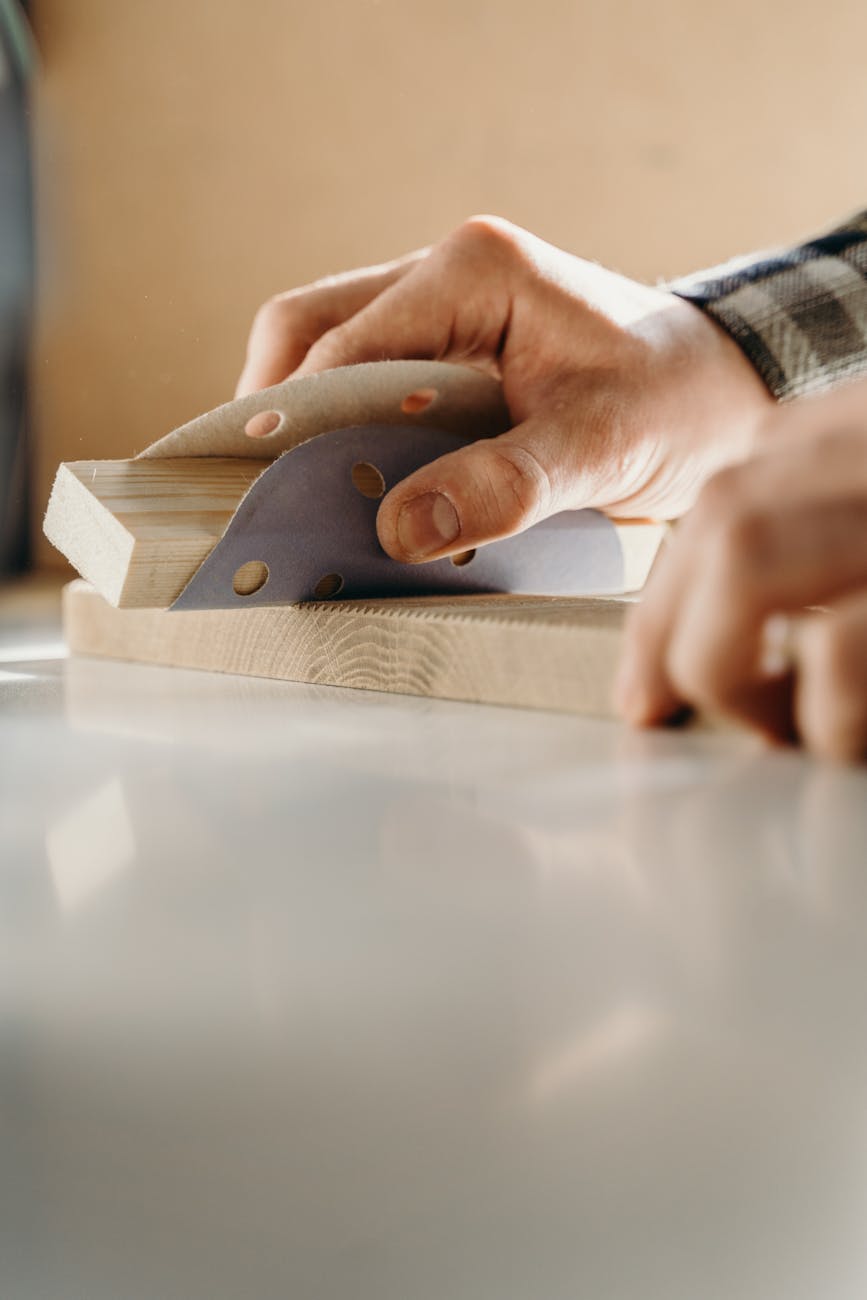
Owning the right tools changes the game: orbital sanders that gently smooth surfaces, scrapers to lift old finishes without gouging, quality brushes, and low-VOC finishing products. Those sharpening chisels may feel intimidating, but mastery here can save thousands in contractor fees.
Benefits of Hands-On Wood Restoration Skills
I’ve guided loads of folks in the Woodreno DIY wood restoration workshop, and every time, the same realization hits: confidence transforms tight budgets into doable projects.
Skill means less guesswork, cleaner results, and fewer redo costs. Once you hold sandpaper and see the layers peel away, it clicks.
💡 Pro Insight (Marcus Webb, Woodreno): Workshop practice teaches you to “read” wood damage — an essential skill. Not every scratch needs full replacement; often, simple fillings or selective sanding suffice.
Incorporating Sustainable Materials to Lower Long-Term Costs
Using reclaimed and sustainably sourced wood can lower both upfront and future expenses. Reclaimed wood carries the scent of seasoned growth rings, feels solid, and often requires less sealing, thanks to many years under finish.
Low-VOC stains and waterborne finishes keep indoor air healthier and cut regulatory burdens. You also minimize waste when refurbishing existing woodwork instead of demolishing.
I urge checking out the eco-friendly restoration techniques to see how they align with cost-effective renovation.
💡 Pro Insight (Marcus Webb, Woodreno): Replacement wood often hides embedded moisture or knots causing future splits. Eco-friendly, certified wood from FSC sources (visit fsc.org) reduces such risks.
Common Hidden Renovation Costs and How to Avoid Them
Renovation whisperers like permits and inspections lurk beneath the surface. Unexpected wood damage discovered during stripping or structural reinforcement needs can shock your budget.
Add labor overtime and specialized contractor fees if delays hit.
At Woodreno, I’ve watched clients underestimate prep work the most. Poor prep leads to repair work that would have been preventable.
Avoid surprises by budgeting for at least 15% contingency—especially if your projects involve older wood. Permit fees and labor variations from region to region can inflate costs.
Cost-Saving Tips for Homeowners Planning Renovations
- Prioritize wood restoration over replacement when possible.
- Bundle renovation tasks to negotiate better labor rates.
- Learn basic restoration skills through workshops to DIY minor fixes.
- Opt for reclaimed or FSC-certified materials.
- Plan permitting ahead, so your schedule doesn’t attract rush fees or fines.
Simple strategies pay off long-term. At Woodreno, teaching hands-on restoration means clients gain not only skills but insights that save money on subsequent projects.
When to Hire a Professional vs. DIY for Wood Restoration
DIY restores small defects and surface damage well; complex structural repairs call for pros. When joints need re-gluing, carving inlays, or applying specialty finishes, professional hands protect your investment.
Experience matters more than gadgetry alone. For serious projects, leveraging pros prevents costly slip-ups.
See our detailed advice on professional wood restoration for clarity on task boundaries.
How to Budget Effectively for Your Home Renovation Project
Building your budget requires detailed line items — materials, labor, contingencies, and finishing.
A hands-on approach pays off:
- Research materials pricing down to your wood species and finish type.
- Include costs for workshop tools or courses if DIY skills will lessen contractor bills.
- Allocate a buffer for hidden discoveries, especially with older homes.
- Schedule project steps with time margins built in to avoid urgent cost spikes.
Linking budget planning with cost of wood restoration insights ensures smarter decisions.
Frequently Asked Questions
How much does it cost to renovate a home in 2024?
Costs vary widely by location and scope, but average mid-range renovations typically range from $100 to $250 per square foot. Kitchens and baths usually command the highest prices.
Is wood restoration cheaper than replacing wood features?
Generally, yes. Restoration costs less in materials and labor for many projects, especially when dealing with quality hardwoods versus new installs. See our cost of wood restoration article for detailed comparisons.
What are typical hidden costs in home renovations?
Permits, structural fixes, and unforeseen wood damage often cause budget overruns. Adding 10-15% contingency helps cushion surprises.
How can I budget for renovating my kitchen and bathroom?
Break the budget into materials, labor, and contingency. Factor in specialty items like cabinetry and plumbing fixtures early and align timing to avoid rush fees.
Are sustainable materials more expensive for home renovation?
Upfront costs can be comparable or slightly higher, but sustainability often reduces maintenance and replacement expenses. Choosing reclaimed or FSC-certified wood is cost-wise in the long run.
Talk to Woodreno About Your Project
If your project involves tired timber, damaged furniture, uneven finishes, or restoration decisions you do not want to get wrong, Woodreno can help you plan the next step properly.
© WoodReno Pakistan —
woodreno.com
| Professional Furniture Restoration & Woodworking Services